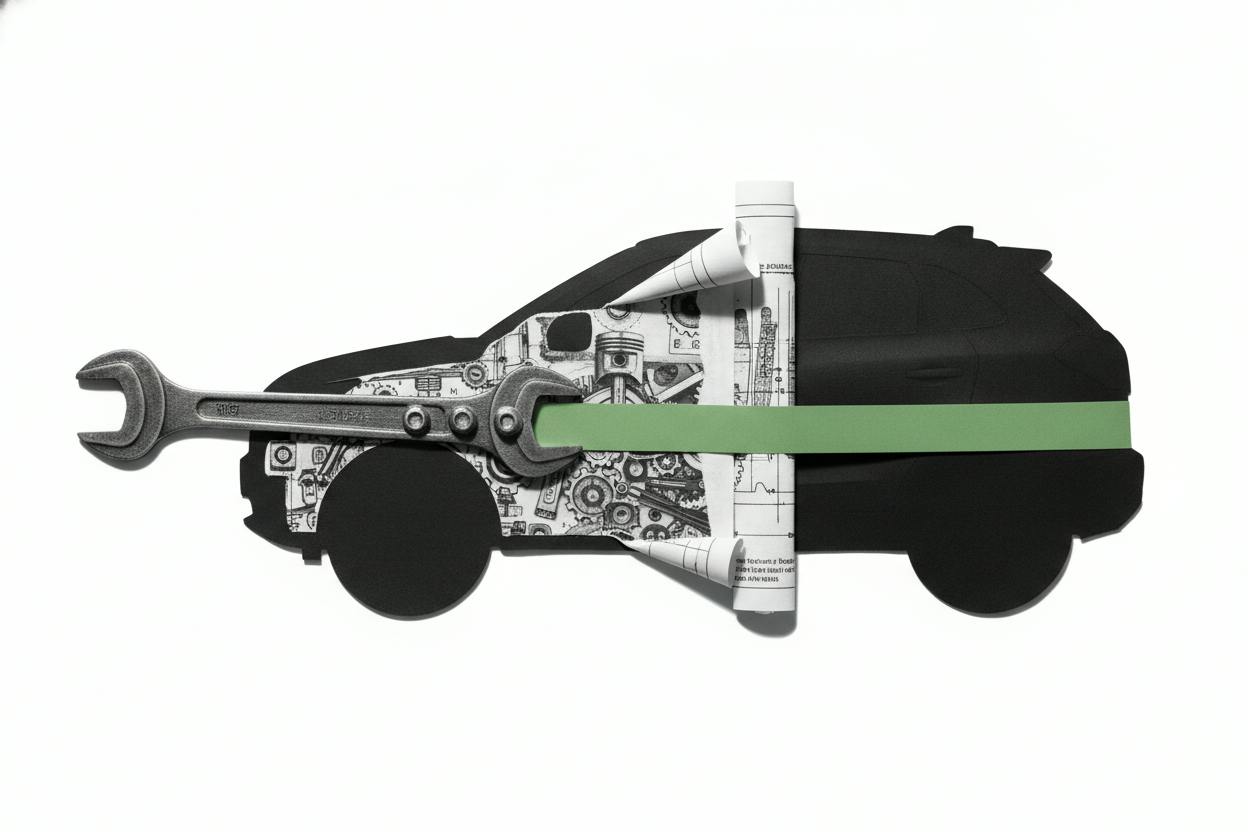
Honda is overhauling its India strategy by handing more vehicle development work to Tata Technologies, an Indian engineering firm, in a bid to cut costs by up to 20% and roughly halve the time it takes to bring new models to market. The first product under the partnership will be a sub-4-meter SUV planned for 2028, according to a Reuters report.
The move comes as Honda's presence in India has shrunk dramatically. Reuters noted that the company's market share has slipped to about 1.3% from a peak of 7.3% more than a decade ago, and it has limited offerings in the country's most popular SUV segments. India's sub-4-meter SUV class is one of the fastest-growing vehicle categories, making it a critical battleground for automakers.
Why Honda is changing its approach
Carmakers worldwide are under pressure to manage heavy spending on electrification, connectivity, and advanced driver-assistance systems while keeping prices competitive. Honda's partnership with Tata Technologies is designed to address both cost and speed. By coordinating engineering work and local suppliers through Tata Technologies, Honda aims to reduce development expenses and get vehicles to market sooner.
The plan is straightforward: Tata Technologies will oversee engineering coordination and local sourcing, while Honda retains control over quality and core technology areas such as connectivity and driver-assistance features. This division of labor is meant to balance cost savings with maintaining Honda's standards.
However, the partnership has not been without friction. Reuters reported tensions over sourcing, with Japan favoring proven suppliers and the India team pushing for local options to lower costs. Honda said there were no disagreements, but the episode highlights the challenges of balancing global quality benchmarks with local cost pressures.
What it means for investors
For investors, the key question is whether Honda can execute this strategy without compromising quality. If the tie-up truly halves development time from roughly five years, Honda could refresh models more often—a significant advantage in a segment where buyers compare features and prices closely. Faster development also means the company can respond more quickly to shifting consumer preferences.
The 20% cost-cut target is meant to make the 2028 India SUV relaunch financially viable. If the first SUV meets quality, sales, and profit goals, sources told Reuters that Honda could also use India as an export base, potentially creating a cost-efficient production and sourcing hub that supports profits beyond a single model.
But there is execution risk. The entire strategy depends on meeting Honda's quality bar while moving faster with a more localized supply chain. Any misstep could delay launches or hurt brand perception, locking Honda out of a market where being late or overpriced can have long-lasting consequences.
Broader context
Honda's India push comes amid a broader trend of automakers seeking local partnerships to cut costs and speed up development. In the U.S., Honda has been gaining ground while rivals like GM and Ford have slipped, as recent sales data showed. The company's global strategy increasingly relies on regional flexibility.
India's auto market has also seen supply-chain challenges, with Suzuki urging local suppliers to pause production for safety—a reminder of the operational hurdles in the region. Meanwhile, Indian stocks have been volatile, with recent rebounds after a historic losing streak, reflecting broader market uncertainty.
For everyday investors, this story underscores how automakers are adapting to competitive pressures by outsourcing non-core engineering while protecting their brand and technology. It also highlights the growing importance of India as both a sales market and a potential export hub.
Whether Honda's bet pays off will become clearer when the first sub-4-meter SUV arrives in 2028. Until then, investors will watch for signs of progress in development timelines, cost reductions, and any hints of export plans.