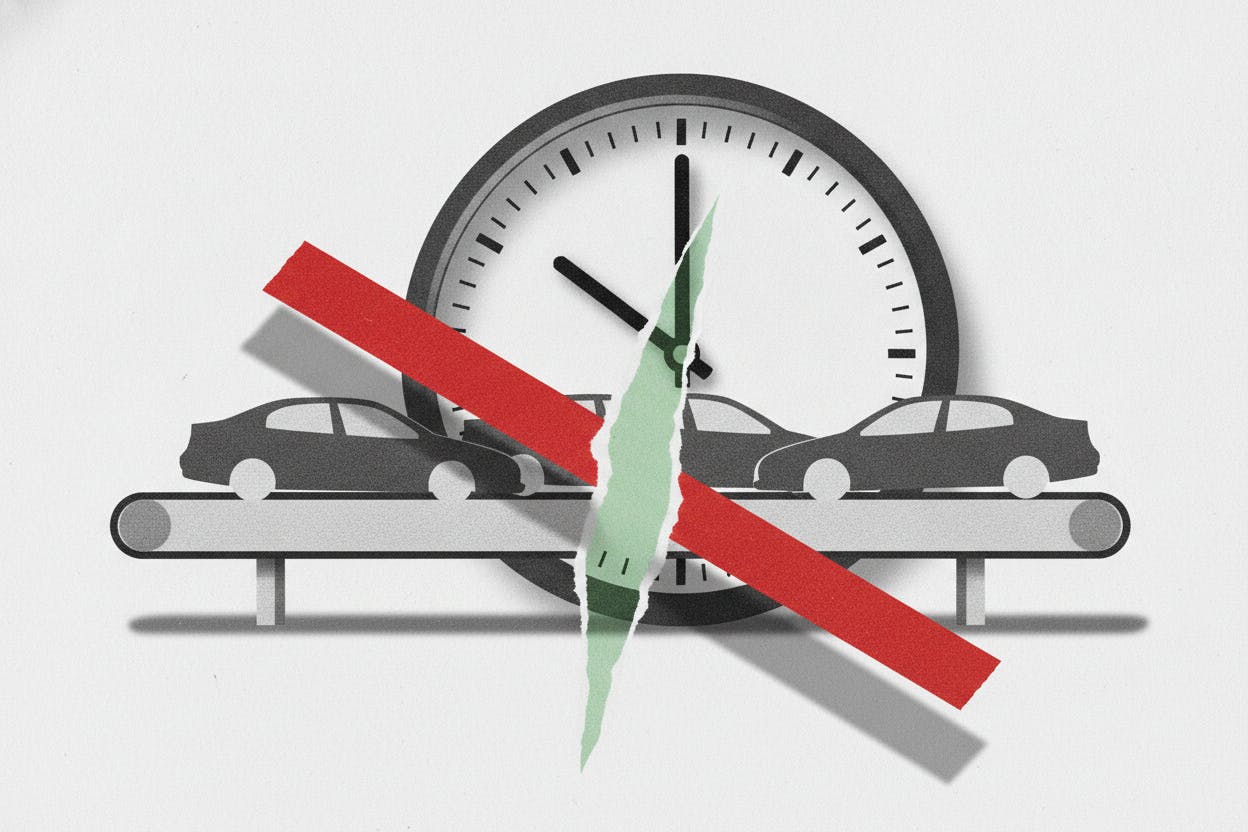
Hyundai Motor's labor union has begun a series of four-hour partial strikes after wage negotiations broke down, a move that has already weighed on the company's shares. The 40,000-member union rejected management's offer of an 80,000-won (about $60) monthly raise and is demanding a bigger base-pay increase plus a bonus linked to 2025 profits.
The walkouts, scheduled for Monday and Tuesday, are designed to keep pressure on management without shutting down production entirely. According to South Korea's Yonhap News, the union plans further action next week if no deal is reached. Even short, time-boxed stoppages can disrupt assembly lines and supply chains, so the impact could ripple beyond the immediate hours of the strike.
What the union wants vs. what Hyundai offered
The gap between the two sides is wide. The union is asking for a 149,600-won monthly base-pay increase—nearly double what the company has put on the table. It also wants a 2025 performance bonus equal to 30% of net profit, a demand that would tie worker pay directly to the company's bottom line.
Hyundai's counteroffer includes the 80,000-won monthly raise, a bonus worth 350% of monthly salary, an additional 10 million won, and 15 shares of company stock. While that package is not trivial, union leaders argue it falls short of what workers deserve given the company's recent financial performance.
This is a familiar pattern in South Korea's auto industry, where unions have historically been assertive in annual wage negotiations. Hyundai's union is one of the country's largest, and its actions can set a precedent for other manufacturers. Similar disputes have played out at other companies, such as SK Hynix workers forming a new union over AI bonus pay, showing that labor tensions are not unique to Hyundai.
Why the stock market is paying attention
Investors are watching closely because Hyundai is a major global automaker, and any prolonged labor disruption could hit production volumes and profitability. The stock fell nearly 5% in recent trading, reflecting concerns that the strikes could escalate or drag on.
Even a few hours of halted production can lead to lost output and higher costs, especially if the stoppages force suppliers to slow down or if overtime is needed to catch up. For a company that relies on efficient manufacturing to keep margins healthy, repeated walkouts can be a real drag.
The union's demand for a profit-linked bonus is also notable. If accepted, it would mean workers share more directly in the company's success—but it could also make labor costs more variable, rising in good years and falling in bad ones. That could appeal to some investors as a way to align incentives, but it also adds uncertainty to future cost forecasts.
What it means for everyday investors
For most investors, the key takeaway is that labor disputes are a normal part of doing business in industries like autos, but they can create short-term volatility. If you own Hyundai stock directly or through a fund, expect the share price to be sensitive to headlines about the strike's duration and outcome.
It's also worth remembering that strikes often end with a compromise. Both sides have incentives to reach a deal: the union wants to avoid a prolonged loss of wages, and the company wants to keep production running. Historically, many such disputes are resolved within a few weeks, though some have dragged on longer.
Investors should also consider the broader labor market context. Recent data shows jobless claims ticking up to 209,000, but the labor market remains steady overall. That suggests workers still have some leverage in wage negotiations, which could mean more companies face similar demands.
For those watching the auto sector, this strike is one of several labor-related stories. BHP's wage talks at Port Hedland stalled after unions rejected a 16% offer, and Hyundai itself faces a four-day partial strike as the union seeks bigger pay. These are reminders that labor costs are a rising concern across industries.
What to watch next
The immediate focus is on whether the two sides can return to the bargaining table. The union has scheduled more action next week, which raises the stakes. If talks resume and progress is made, the strikes could be called off quickly. If not, the walkouts could expand, and the stock could face further pressure.
Investors should also watch for any impact on Hyundai's production numbers and delivery timelines. A prolonged strike could affect vehicle availability in key markets, potentially benefiting competitors. But for now, the situation is fluid, and the next few days will be crucial.
As with any labor dispute, the final outcome will likely be a compromise. The union's demands are ambitious, but the company's offer is not negligible. The real question is how much ground each side is willing to give—and how long the market's patience lasts.