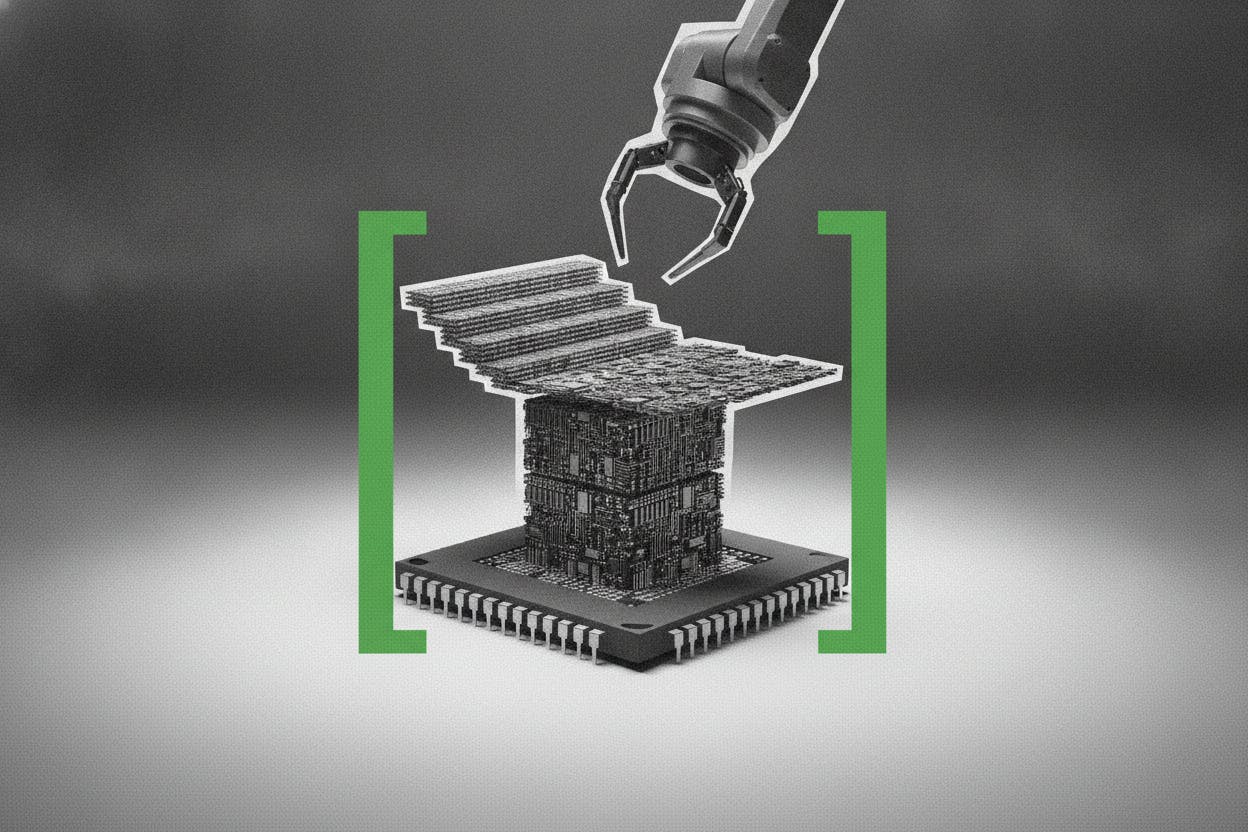
IBM has announced a breakthrough in chip design, unveiling a 0.7-nanometer transistor that it claims is the first semiconductor technology to break the 1-nanometer barrier. The company says the new 'nanostack' architecture could reach production within five years, potentially reshaping the landscape for advanced computing and artificial intelligence.
What is a 0.7-Nanometer Chip?
In the semiconductor industry, 'process nodes' like 7nm or 5nm refer to the size of transistors on a chip. Smaller nodes allow more transistors to fit in the same area, which typically improves performance or reduces power consumption. IBM's new design uses a 'nanostack' approach that stacks transistors vertically in three dimensions, rather than laying them flat on a silicon wafer. This 3D stacking could roughly double transistor density compared to IBM's own 2-nanometer prototype from 2021, while also boosting performance or energy efficiency.
The timing is significant because modern AI systems rely heavily on fast, on-chip memory. IBM says its design can shrink static random-access memory (SRAM) circuits, which are a key component in AI chips. By packing more SRAM next to computing cores, the technology could help accelerate AI workloads that require rapid data access.
From Lab to Fab: The Missing Link
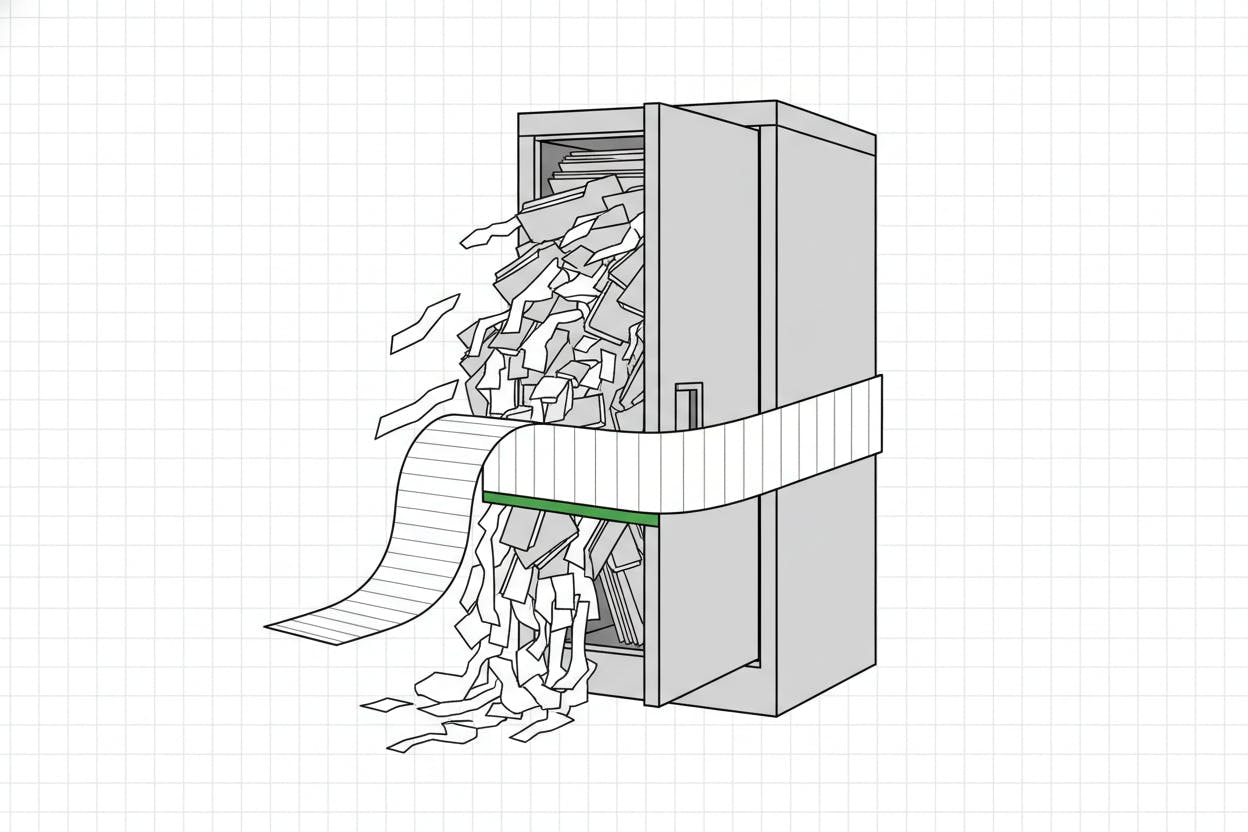
While the lab achievement is notable, turning it into commercial chips is a different challenge. IBM no longer operates a leading-edge semiconductor foundry—it sold its chip manufacturing business to GlobalFoundries in 2014. To bring 0.7-nanometer chips to market, IBM will need to license the technology to a manufacturing partner. The company has done this before, collaborating with Samsung and Japan's Rapidus on earlier nodes, but it has not yet named a partner for this new design.
Meanwhile, competitors are emphasizing execution. Intel, for example, says its 18A process—equivalent to 1.8 nanometers—is already in 'risk production,' a stage where early manufacturing runs test whether a process can scale to volume. This puts pressure on IBM to secure a manufacturing partner quickly if it wants to stay relevant in the race for smaller, more powerful chips.
What It Means for Investors
IBM's announcement is a credibility win for its research division, but the commercial payoff hinges on deal-making. The stock initially jumped about 6% in premarket trading before cooling, suggesting investors are optimistic about timelines and partnerships rather than near-term production. For IBM, the revenue model would likely center on licensing and intellectual property—typically higher-margin income—rather than the wafer-volume sales that foundries like TSMC generate.
This dynamic sets a clear contrast with Intel. Intel's 18A story includes manufacturing readiness and a path to volume production, while IBM still needs to show who will actually build its chips. Investors should watch for any announcements of manufacturing partnerships, which would be a key catalyst for IBM's stock. The broader context also includes rising demand for AI chips, which has driven up memory chip costs and affected companies like Apple, as seen in Apple's recent price hikes on iPads and Macs.
Broader Market Context
The semiconductor industry is in a period of intense competition, with companies racing to develop smaller nodes to power everything from smartphones to data centers. IBM's 0.7-nanometer design, if successfully commercialized, could give it a strong position in the high-value AI chip market. However, the path from lab to fab is long and expensive, and IBM's reliance on partners adds uncertainty.
For everyday investors, the key takeaway is that IBM's announcement is a promising research milestone, not a near-term revenue driver. The stock's initial pop reflects hope for future licensing deals, but the real test will come when IBM names a manufacturing partner and demonstrates that the technology can be produced at scale. Until then, the story is more about potential than proof.