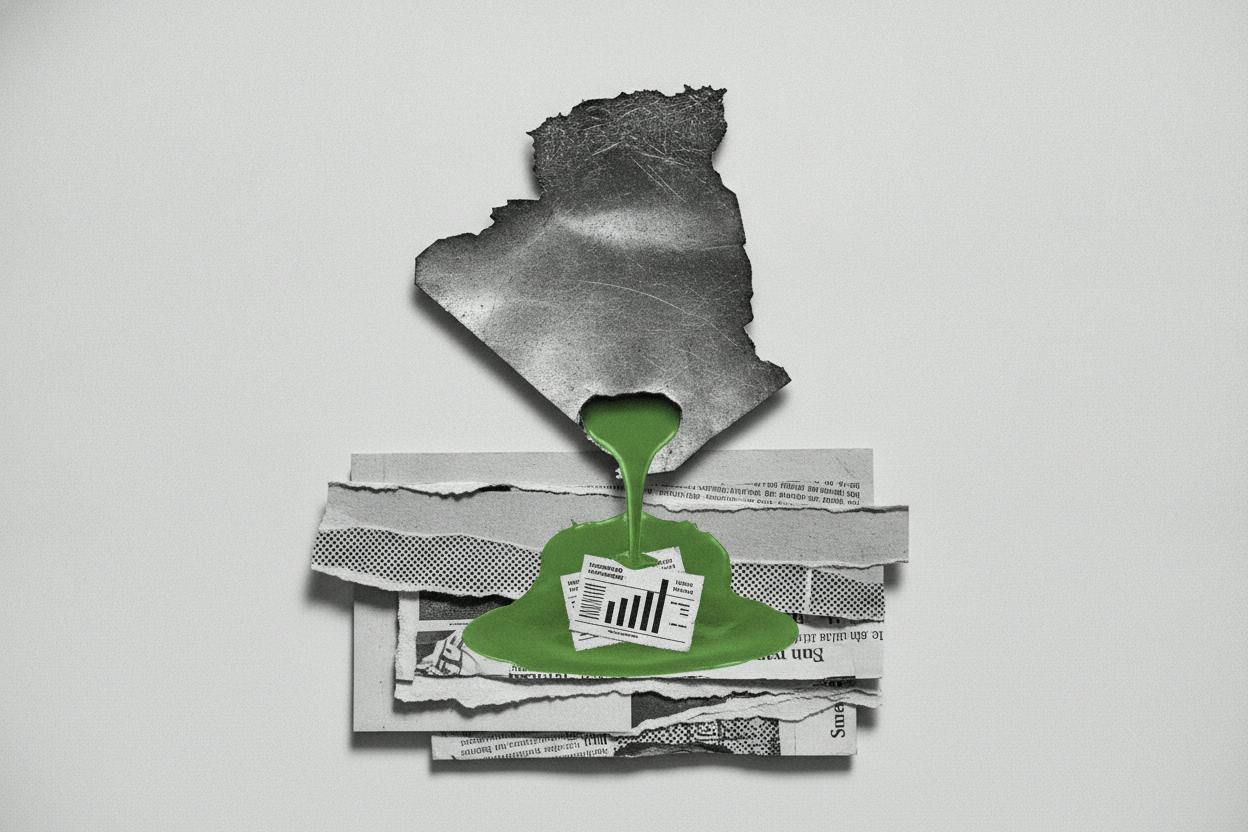
The International Monetary Fund (IMF) issued a stark warning on Tuesday: Algeria's foreign-exchange reserves are set to thin out dramatically over the next six years. According to the fund's latest projections, the country's stockpile of hard currency will fall from $51 billion in 2025 to just $19.8 billion by 2031.
That represents a drop of more than 60% in just six years, a pace that would leave Algeria with a much smaller cushion to absorb economic shocks.
What are foreign-exchange reserves and why do they matter?
Foreign-exchange reserves are the dollars, euros, and other major currencies that a country holds in its central bank. They are used to pay for imports, service foreign debt, and defend the value of the national currency. Think of them as a country's rainy-day fund.
When reserves are high, a country can easily cover its import bills and reassure investors that it can meet its obligations. When they are falling, it can signal stress: a weaker ability to pay for essential goods, a higher risk of currency depreciation, and less room to intervene in foreign-exchange markets.
For everyday investors, a country's reserve position is a key indicator of its overall economic health. A steady decline can lead to credit rating downgrades, higher borrowing costs, and a less attractive environment for foreign investment.
Why are Algeria's reserves shrinking?
The IMF attributes the projected decline to two main factors: wider current account deficits and softer hydrocarbon exports.
The current account is a broad measure of a country's transactions with the rest of the world, including trade in goods and services, income, and transfers. A deficit means the country is spending more abroad than it is earning. For Algeria, that gap is expected to widen in the coming years.
Hydrocarbons—oil and natural gas—are Algeria's economic lifeblood, accounting for the vast majority of its export revenues and government income. The IMF's forecast assumes that global demand for these commodities will soften, reducing the revenue Algeria can generate from its main export.
At the same time, Algeria's import bill is likely to rise as the government pursues public spending programs and the population's demand for foreign goods grows. The combination of lower export earnings and higher import costs puts pressure on the country's external balance.
What does this mean for investors?
For investors with exposure to Algeria—whether through sovereign bonds, local equities, or regional funds—the IMF's projection is a cautionary signal.
A shrinking reserve buffer can make a country more vulnerable to external shocks, such as a sudden drop in oil prices or a global financial crisis. It can also lead to currency depreciation, which would reduce the local-currency value of foreign investments.
However, it's important to note that the IMF's forecast is just one scenario. Algeria has significant hydrocarbon reserves and a relatively low level of public debt compared to many peers. The government could also take steps to diversify the economy, attract foreign investment, or adjust fiscal policy to slow the drawdown.
Investors will be watching Algeria's policy response closely. If the government moves to curb imports, boost non-hydrocarbon exports, or secure external financing, the trajectory could improve. If not, the country may face a more difficult period of adjustment.
Broader context
Algeria is not alone in facing the challenge of managing resource-dependent economies. Many oil and gas exporters are grappling with the transition to cleaner energy and the long-term outlook for fossil fuel demand.
For investors, the key takeaway is that countries heavily reliant on a single commodity are exposed to price swings and structural shifts. Diversification—both for economies and for investment portfolios—remains a central theme.
The IMF's warning also comes at a time when global markets are focused on the health of emerging and frontier economies. While Algeria is not a major player in most retail investors' portfolios, its trajectory can have ripple effects on regional stability and energy markets.
As always, investors should consider the broader economic environment and the specific risks of any country they are exposed to. The IMF's numbers are a reminder that even resource-rich nations can face significant external pressures.