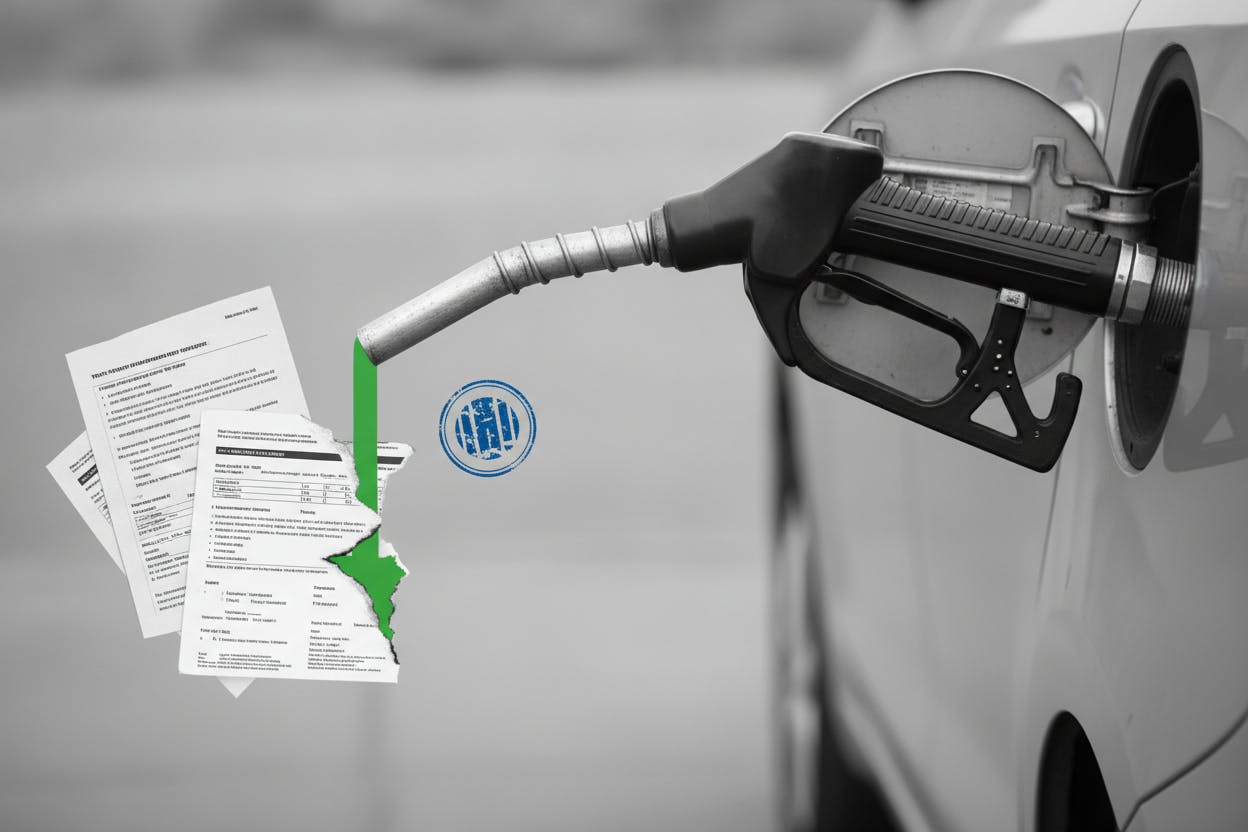
India's main automakers' group, the Society of Indian Automobile Manufacturers (SIAM), has withdrawn its earlier warning that contaminated ethanol-blended gasoline was damaging vehicle parts. The reversal comes after the country's petroleum ministry disputed the figures, according to Reuters. SIAM said the numbers “need authentication,” marking a significant climbdown in a dispute that has drawn intense public attention.
What is E20 and why does it matter?
E20 is gasoline blended with 20% ethanol, and it is now the standard fuel at roughly 90,000 fuel pumps across India. The fuel is part of the government's broader push to reduce the country's reliance on costly oil imports by using more domestically produced ethanol, which is typically derived from sugarcane and other biomass.
The rollout, however, has moved faster than the vehicle fleet itself. E20-compliant models only began arriving in 2023, meaning a large share of the cars and motorcycles on Indian roads were not originally designed to run on such a high ethanol blend. Many drivers have blamed the higher blend for lower fuel efficiency and various mechanical problems, from clogged injectors to corroded fuel lines.
The dispute and the walk-back
SIAM had earlier claimed that contaminated E20 fuel was corroding vehicle parts, a statement that quickly sparked public concern and criticism. The petroleum ministry pushed back, questioning the accuracy of the data behind the claim. Facing that pushback and a wave of public uproar, SIAM has now retracted the warning, saying the figures need further verification.
This is not the first time that fuel quality and its impact on vehicles has become a contentious issue in India. In the past, disputes over fuel standards have led to confusion among consumers and even legal battles. The current episode highlights the tension between the government's energy policy goals and the practical realities faced by vehicle owners.
What it means for investors
For everyday investors, this episode is a reminder that policy-driven changes can create both opportunities and risks. The push for ethanol blending is a key part of India's energy strategy, and it has implications for a range of sectors, from automakers to sugar producers and oil marketing companies.
Automakers that have invested heavily in E20-compliant technology may see this as a positive signal, as it suggests the government is committed to the fuel's rollout. However, the controversy could also lead to delays or adjustments in the implementation timeline, which could affect companies' plans and costs.
For investors holding shares in Indian auto companies, the key thing to watch is how the government and industry resolve the concerns about fuel quality and vehicle compatibility. If the issues are addressed quickly, the transition to E20 could proceed smoothly, benefiting companies that are well-positioned. If not, it could weigh on consumer sentiment and sales.
It's also worth noting that the broader Indian market has been sensitive to policy news and regulatory developments. The recent jump in India's foreign exchange reserves and the upcoming RBI rate decision are among the factors that could influence market direction in the near term.
The bigger picture
The E20 rollout is part of a larger global trend toward cleaner and more sustainable fuels. Many countries are increasing the ethanol content in their gasoline to reduce emissions and dependence on fossil fuels. India's ambitious target to achieve 20% ethanol blending by 2025-26 is among the most aggressive in the world.
For the average driver, the switch to E20 may mean slightly lower fuel economy, as ethanol has a lower energy content than pure gasoline. However, the government has argued that the environmental benefits and the reduction in oil imports outweigh these drawbacks. The recent controversy, though, shows that the transition is not without friction.
As the situation develops, investors and consumers alike will be watching to see how SIAM and the petroleum ministry resolve their differences. The outcome could set the tone for how other fuel-related policies are implemented in the future.
In the meantime, those with investments in the auto or energy sectors should keep an eye on any further statements from SIAM or the government, as well as any data that might clarify the actual impact of E20 on vehicle performance. As always, it's important to base investment decisions on verified information rather than speculation.