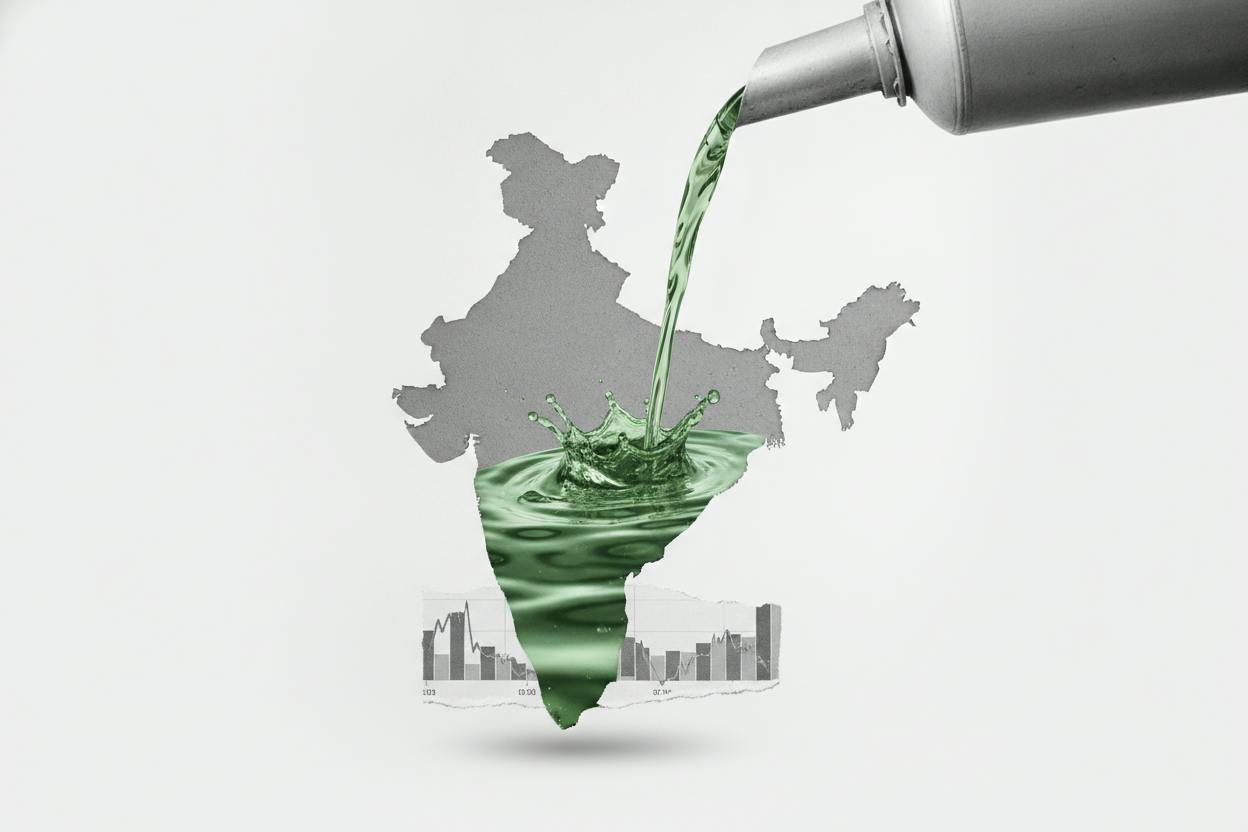
India, the world's largest buyer of vegetable oils, ramped up its cooking oil imports in October to a record 1.74 million tons, a 13% jump from September, as households and food businesses stocked up for the Diwali festival season. The surge was led by a sharp rise in palm oil and an all-time high for soyoil, driven by lower prices and a recent cut in import taxes.
The October figures, released by trade bodies, show palm oil imports at 866,000 tons, the highest since August 2025, while soyoil reached a record 653,000 tons. Sunflower oil also rebounded to 223,000 tons. Traders said the buying spree was not just about festive demand—concerns about tighter domestic supplies after weather hurt oilseed output encouraged refiners to lock in shipments earlier than usual.
Why India's cooking oil imports matter
India's appetite for vegetable oils is a major force in global agricultural markets. The country relies on imports for roughly 60% of its edible oil needs, with palm oil coming mainly from Indonesia and Malaysia, and soyoil from Argentina and Brazil. When India steps up purchases, it can quickly tighten physical supply in exporting countries, even if overall production is rising.
This October's import surge is particularly notable because it comes after a period of softer prices. A cut in import duties, announced earlier this year, made overseas oils cheaper for Indian buyers, while a dip in global prices added further incentive. For Indian consumers, this means cooking oil prices at the retail level may stay relatively stable during the festival season, a politically sensitive issue in a country where food costs are closely watched.
What it means for palm oil markets
For commodity traders, the key takeaway is the impact on near-term palm oil prices. When India books extra cargoes, it hits the physical market first: inventories in Indonesia and Malaysia get drawn down faster, so available supply for the next few weeks tightens. That usually shows up in the front months of Malaysia's benchmark palm oil futures (FCPOc3), rather than further out on the curve.
Dealers think November palm oil arrivals could stay high while palm remains cheaper than rival oils, which would reinforce that near-term support. If that happens, producer stockpiles may build more slowly than headline output figures suggest, a detail commodity traders watch closely. The widening gap between near-month and later contracts—a sign buyers are paying up for faster delivery—could persist as long as Indian demand remains strong.
What it means for investors
For everyday investors, the October import data is a reminder of how global supply chains and seasonal demand can move prices. Companies that rely on cooking oils as inputs—such as food processors and restaurant chains—may face higher costs if palm oil prices stay firm. Conversely, producers and exporters in Southeast Asia and South America could benefit from sustained Indian demand.
In India, the import surge also comes against a backdrop of broader economic activity. The country's markets have been busy, with PMI data and Q2 earnings flooding markets in early November, and foreign investors have been pouring money into Indian stocks, as noted in a recent report on the rupee steadying. While cooking oil imports are a small slice of the economy, they are a useful gauge of consumer demand and inflationary pressures.
For those watching the rupee, higher import bills can add to pressure on the currency, though the recent inflow of foreign funds has helped keep it stable. The rupee's calm masks investor caution about further falls, and any sustained rise in oil import costs could be a factor to watch.
Looking ahead
With Diwali now past, the question is whether India's import appetite will cool. Historically, imports tend to ease after the festival season, but much depends on price movements and domestic supply. If oilseed harvests remain weak, refiners may continue to rely on imports, keeping demand elevated.
For now, the October data underscores India's central role in the global vegetable oil market. As the country's middle class grows and eating habits evolve, its import needs are likely to remain robust, making it a key driver for palm oil, soyoil, and sunflower oil prices worldwide.