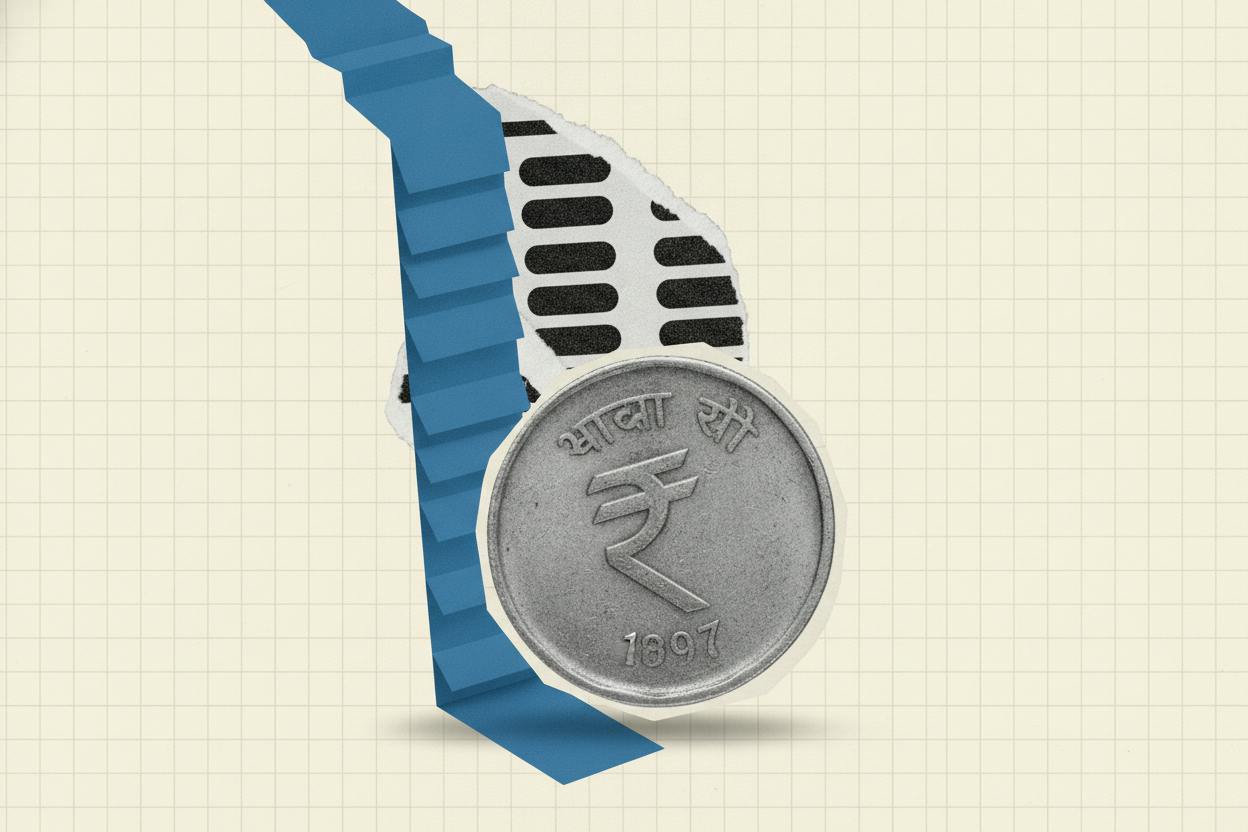
The Indian rupee is finding its footing after a turbulent stretch, helped by a fresh wave of foreign money into the country's stock market. Equity inflows topped $700 million on Tuesday, a clear sign that overseas investors are warming to Indian assets again, even as global markets keep an eye on the US midterm elections.
The dollar's recent pullback has been a key driver. The dollar index, which measures the greenback against a basket of major currencies, slipped 0.3% on Tuesday, giving emerging-market currencies like the rupee some breathing room. Traders now expect the rupee to open near 94.70 per dollar on Wednesday, after closing around 94.74 the previous day.
Why foreign money matters for the rupee
When foreign investors buy Indian shares, they typically need to convert dollars into rupees to settle those trades. That creates demand for the local currency, which can give it a boost on days when inflows are heavy. Tuesday's $700 million-plus inflow is a prime example of this "plumbing" effect—money moving into the market can mechanically support the currency.
This dynamic is especially important after a period when the rupee had been under pressure. A combination of a strong dollar, rising oil prices, and global risk aversion had pushed the currency to record lows. But the tide appears to be turning, at least for now.
The return of foreign cash is also a vote of confidence in India's economic outlook. Foreign portfolio investors had been net sellers of Indian equities for much of the past year, but recent weeks have seen a reversal. This shift is partly driven by expectations that the US Federal Reserve may slow its pace of interest rate hikes, which would reduce the appeal of dollar-denominated assets and make emerging markets like India more attractive.
US midterms add to the mix
Politics also played a role in Tuesday's market moves. Investors were closely tracking the results of the US midterm elections, which determine control of Congress. While the outcome was still unfolding, analysts at ING argued that the results are unlikely to dramatically change the broader market picture. The focus remains on inflation and central bank policy, not just who controls the House or Senate.
Still, midterm elections can create short-term volatility, and traders are keeping a close watch. A split Congress, for example, could limit the scope of future fiscal stimulus, which might be seen as positive for bond markets but could also slow economic growth. For the rupee, the key takeaway is that the dollar's direction will likely matter more than the political headlines.
What it means for investors
For everyday investors, the rupee's stabilization is a welcome sign. A steadier currency reduces uncertainty for those with exposure to Indian assets, whether through mutual funds, exchange-traded funds, or direct stock holdings. It also helps companies that import goods or have foreign-currency debt, as their costs become more predictable.
However, it's important to keep perspective. The rupee's recent gains are modest, and the currency remains vulnerable to global shocks, particularly if oil prices spike or the dollar strengthens again. As we noted in a recent piece on why the rupee's calm masks investor caution, the underlying pressures haven't fully disappeared.
Investors should also watch how long the foreign inflows last. A single day of strong buying doesn't make a trend, but it does suggest that sentiment is improving. If the dollar continues to weaken and India's economic fundamentals hold up, more foreign money could follow, which would be a positive for both the rupee and Indian equities.
For now, the immediate focus is on the US midterm results and any signals from the Federal Reserve about future rate moves. As we've seen, Indian stocks can extend gains when crude eases and foreign buying returns, and that dynamic seems to be playing out again.
But investors should remain cautious. The rupee's path is unlikely to be a straight line, and global markets remain sensitive to surprises. Keeping an eye on the dollar index, oil prices, and the pace of foreign flows will be key in the coming weeks.
In the meantime, the rupee's recovery is a reminder that currency moves are often driven by flows as much as fundamentals. When money moves, currencies follow—and right now, money is moving back into India.