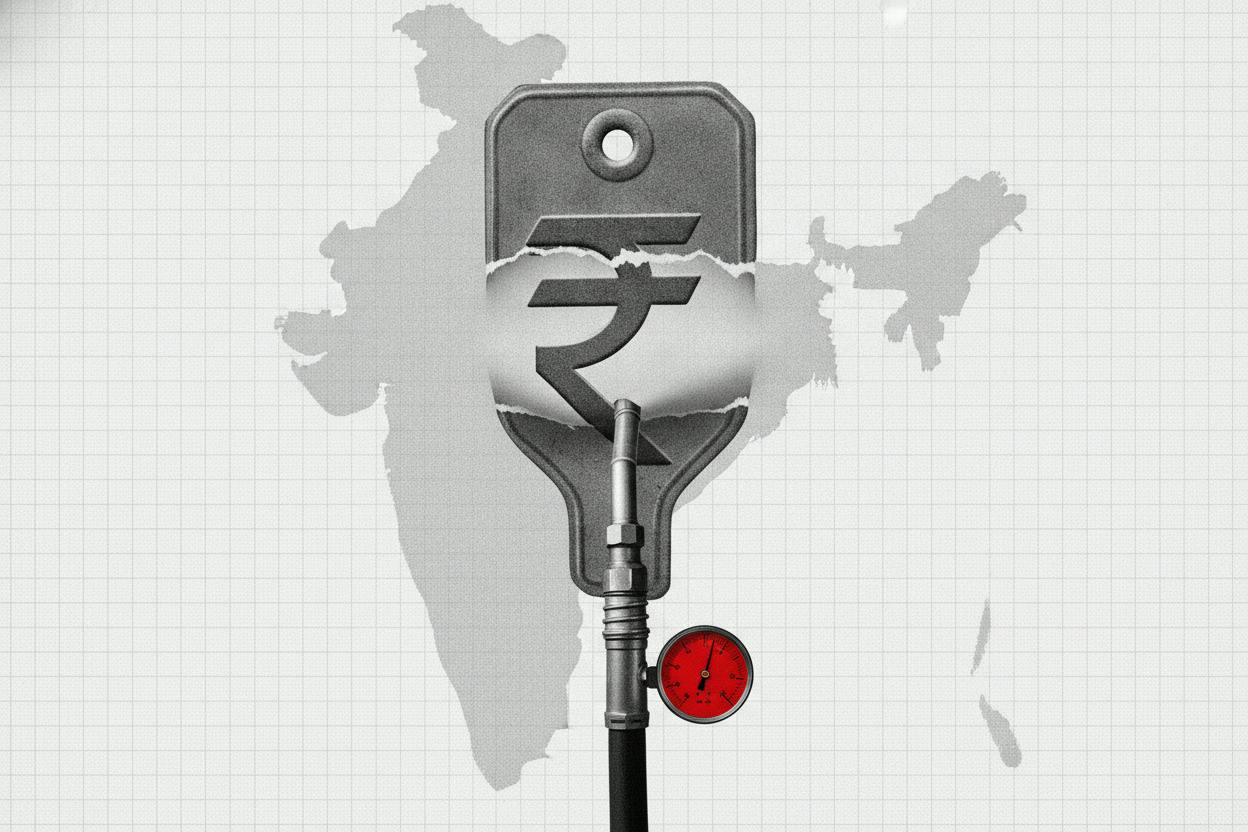
India's wholesale inflation accelerated to 11.39% in September, the highest reading since the government revamped its wholesale price index (WPI) series. The jump, reported by Reuters, was driven by higher oil and manufacturing costs, signaling that price pressures are spreading beyond food and fuel into the broader economy.
The reading comes just weeks after the Reserve Bank of India (RBI) raised its benchmark interest rate for the first time in nearly four years, a move aimed at taming inflation. The latest wholesale price data suggests that the central bank may need to stay vigilant, as rising input costs could eventually feed through to consumer prices.
What's driving the surge?
Government data showed that petroleum and natural gas prices were up 57.32% year-on-year, a major contributor to the overall wholesale inflation figure. Global crude oil prices have been elevated, and India, being a large importer of oil, feels the pinch directly through higher fuel and energy costs.
Food inflation also picked up, partly due to a weak monsoon that raised concerns about supply. But more importantly, the pressure is no longer just about food and fuel. Inflation in manufactured products also rose, indicating that companies are facing higher input costs across the supply chain. This is a sign that price pressures are becoming more broad-based, which is often harder for central banks to manage.
For everyday investors, this matters because wholesale inflation is a leading indicator. When manufacturers pay more for raw materials, they often pass those costs on to consumers, which can push up retail inflation down the line. That, in turn, can influence the RBI's interest rate decisions.
What it means for investors
The RBI's recent rate hike was a response to rising inflation, and the September WPI data reinforces the case for further tightening. Higher interest rates can affect stock markets, particularly sectors that rely on borrowing, such as real estate and consumer durables. They also make fixed-income investments like bonds more attractive, as yields rise.
For investors in Indian equities, the combination of high oil prices and rising input costs is a double-edged sword. On one hand, energy companies may benefit from higher crude prices. On the other, consumer goods companies are likely to see their margins squeezed as they struggle to pass on higher costs without losing customers. This is a trend we've already seen in recent earnings reports, as highlighted in our piece on consumer goods margin pressure.
Meanwhile, the rupee has been under pressure, and importers are already hedging more aggressively against currency swings, as we noted in our story on importers hedging dollars. A weaker rupee makes imported goods more expensive, adding to inflationary pressures.
Global context
India is not alone in facing inflation. Many economies around the world are dealing with rising prices, partly due to supply chain disruptions and higher energy costs. For instance, Spain's inflation accelerated to 5.0% in September, as we reported in Spain's inflation rise. Central banks globally are grappling with how fast to raise rates without choking off growth.
In the US, investors are closely watching inflation data for clues on the Federal Reserve's next move, as seen in our coverage of dollar moves ahead of US inflation data. The Fed's actions have ripple effects on emerging markets like India, affecting capital flows and currency values.
What to watch next
Investors should keep an eye on the RBI's next policy meeting. If wholesale inflation remains elevated, the central bank may feel compelled to raise rates again, which could impact borrowing costs and corporate earnings. Also watch for any signs that high input costs are being passed on to consumers, as that would show up in retail inflation data.
For those with exposure to Indian markets, the key takeaway is that inflation is proving sticky, and the central bank is likely to stay hawkish. That means volatility could continue, and sectors with pricing power may fare better than those without.
In summary, the September WPI data is a clear signal that India's inflation problem is not going away quickly. For investors, it underscores the importance of staying diversified and paying attention to how companies are managing their input costs.