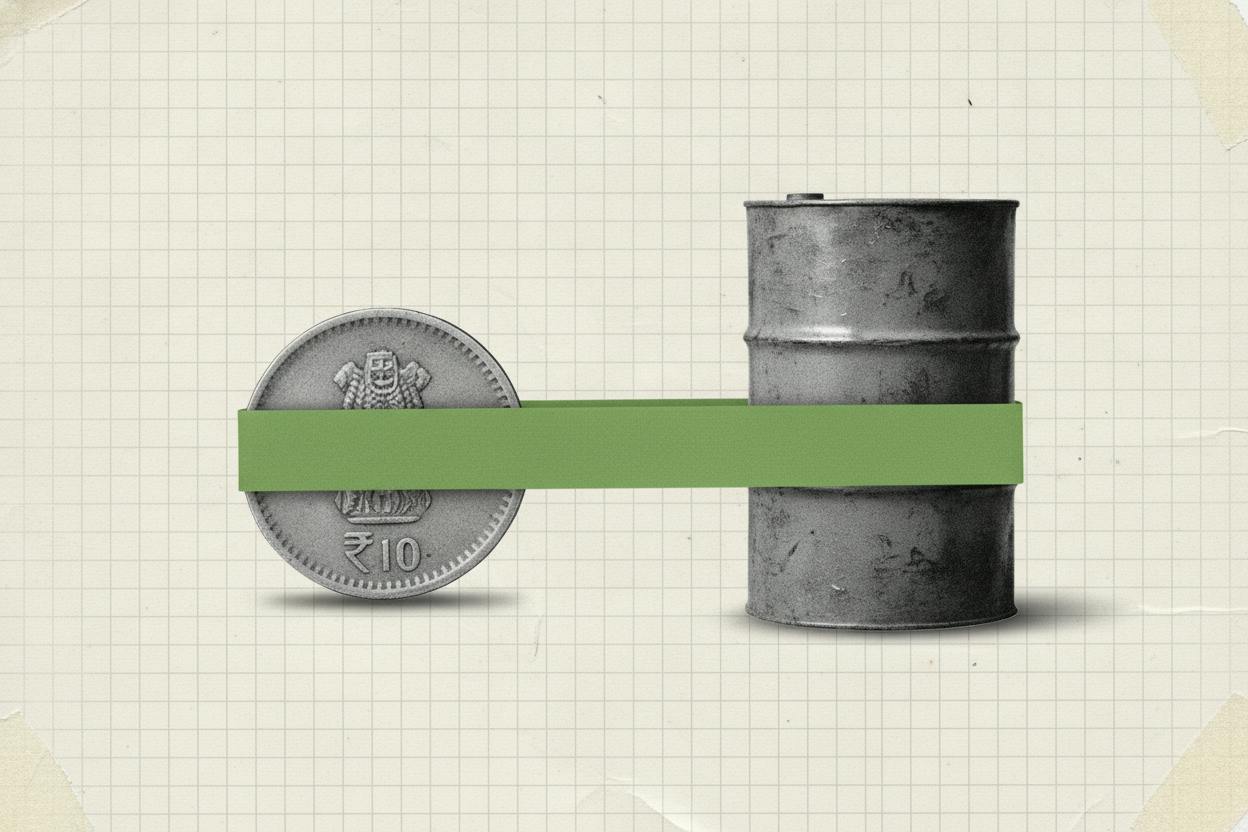
Indian stocks are poised to open higher on Tuesday, buoyed by a pullback in global oil prices and fresh intervention from the country's central bank to support the beleaguered rupee. The moves come after a turbulent period for Indian markets, which have been buffeted by rising crude costs, a weakening currency, and concerns about global monetary tightening.
Brent crude, the international benchmark, slipped to around $103 a barrel, easing some of the pressure on India, one of the world's largest oil importers. Lower oil prices are a welcome relief for the Indian economy, as they help reduce the cost of imports and ease inflationary pressures.
In a separate development, the Reserve Bank of India (RBI) rolled out additional measures aimed at steadying the rupee, which has been under pressure against the US dollar. The central bank's actions are part of a broader effort to manage the currency's slide and prevent excessive volatility.
What the RBI did and why it matters
The RBI's latest steps are designed to support the rupee without draining the country's foreign exchange reserves. While the specifics of the measures were not detailed in the brief, they follow a pattern of interventions that include selling dollars in the market and tightening rules on derivative trading. These actions are intended to curb speculative pressure on the currency and signal the central bank's commitment to stability.
For everyday investors, the rupee's weakness is significant because it affects the value of overseas investments and the cost of imported goods. A weaker rupee also tends to fuel inflation, which can eat into purchasing power and influence the central bank's interest rate decisions.
The RBI's move comes at a time when global markets are grappling with higher interest rates and geopolitical tensions. The US Federal Reserve has been aggressively raising rates to combat inflation, which has strengthened the dollar and put pressure on emerging-market currencies like the rupee.
Oil prices and the Indian market
The dip in Brent crude to $103 a barrel is a key factor behind the expected firmer open. Oil prices have been volatile, swinging between fears of supply disruptions and concerns about slowing global demand. For India, which imports about 80% of its crude oil needs, every dollar change in oil prices has a direct impact on the economy.
Lower oil prices reduce the country's import bill, help narrow the trade deficit, and ease pressure on the rupee. They also lower input costs for companies, which can boost corporate margins and support stock valuations. This is why Indian equities often react positively to declines in crude prices.
However, some strategists are cautioning that the rebound in Indian stocks may be a short-lived relief rally rather than the start of a sustained recovery. They point to persistent headwinds, including elevated inflation, tightening global financial conditions, and the risk of further oil price spikes.
What it means for investors
For investors, the key takeaway is that while the immediate news is positive, the broader environment remains challenging. The RBI's support for the rupee is a short-term measure, and the underlying pressures on the currency are unlikely to disappear quickly. Similarly, oil prices could easily reverse course if geopolitical tensions escalate or supply disruptions occur.
Investors should also keep an eye on the RBI's monetary policy stance. The central bank has been hiking interest rates to combat inflation, and further hikes could weigh on economic growth and corporate earnings. Higher rates also make bonds more attractive relative to stocks, which can lead to outflows from equities.
The Indian market's performance will also depend on global factors, including the path of US interest rates and the strength of the dollar. A stronger dollar typically puts pressure on emerging-market assets, including Indian stocks.
Despite the near-term optimism, many analysts advise caution. The relief rally could provide an opportunity for investors to review their portfolios and consider their risk tolerance. Diversification and a long-term perspective remain important, especially in volatile times.
For those looking to understand the broader context, the RBI's actions are part of a wider trend of central banks in emerging markets stepping in to defend their currencies. Similar moves have been seen in other countries facing capital outflows and currency depreciation.
In the coming days, investors will be watching for further cues from the RBI, as well as any developments in oil markets and global trade. The path ahead is uncertain, but the market's initial reaction suggests that the combination of lower oil and central bank support is being welcomed.
As always, it's important to remember that short-term market moves are unpredictable. While today's news is encouraging, the underlying challenges remain, and investors should stay informed and prepared for continued volatility.