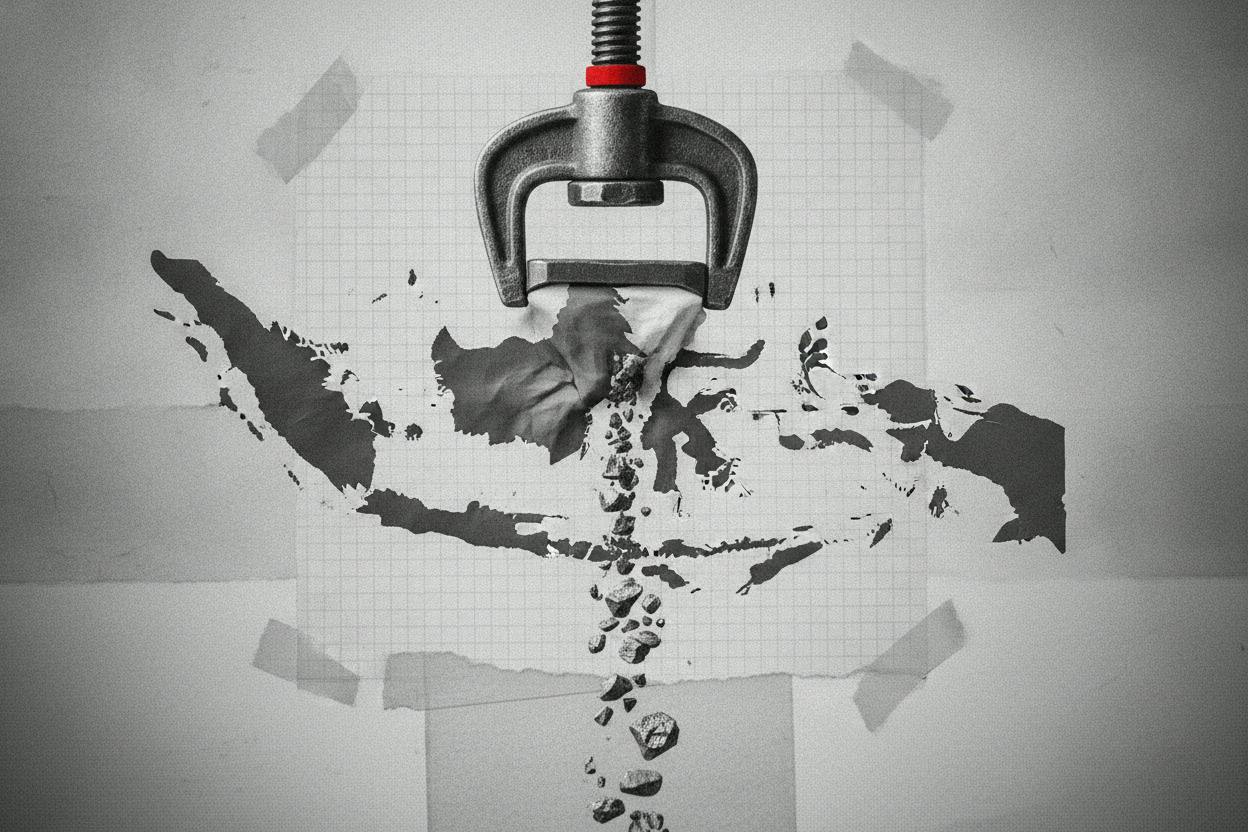
Nickel prices climbed to a two-week high on Tuesday after Indonesia signaled it would crack down on companies linked to a major ore trader, intensifying worries that supply from the world's top producer could tighten further.
Three-month nickel on the London Metal Exchange (LME), a global metals marketplace, rose 2.2% to $16,125 a metric ton, after briefly touching $16,255. On the Shanghai Futures Exchange (SHFE), the most-traded contract jumped 5.3% to 122,550 yuan ($18,375).
What's behind the move?
Indonesia's forestry task force said it would act against companies owned by or affiliated with Arif Kurniawan for allegedly operating illegally in forest areas. The move puts mining licenses and permits under a harsher spotlight, and markets are treating it as more than just courtroom drama.
When paperwork is questioned, ore can be delayed, rerouted, or temporarily halted, making near-term supply feel less dependable. That's why prices reacted so quickly—traders are pricing in the risk of disruption, not just the legal outcome.
This isn't the only pressure point. Indonesia is already dealing with higher input costs tied to sulfuric acid shortages and tighter mining quotas, which have encouraged coordinated output cuts among producers. The latest enforcement action adds another layer of uncertainty to an already constrained supply picture.
Why Indonesia matters for nickel
Indonesia is the world's largest producer of nickel, a metal essential for stainless steel and, increasingly, for electric vehicle batteries. Any hint of supply disruption from the country can have outsized effects on global prices.
For investors, the key takeaway is that nickel benchmarks can move sharply on incremental Indonesia headlines, especially while producers are already grappling with tighter quotas and higher costs. The market is adding a "risk premium" to nickel—extra price to compensate for the chance of disruption—and that premium can matter more than broader macro forces like a weaker US dollar.
This isn't the first time Indonesia has been in the spotlight. Earlier this year, Indonesia's market jumped 3% as investors reacted to regional tech selloffs, and Q3 growth beat forecasts, easing some nerves. But supply-side issues remain a persistent theme for the country's commodity sector.
What it means for investors
For everyday investors, the immediate effect is on nickel prices, which can influence the earnings of mining companies and the cost of materials for manufacturers. But the broader lesson is about how supply-chain risks can move markets.
When a dominant supplier like Indonesia hints at tougher enforcement, traders tend to add a premium to the metal's price. That premium can be volatile, and it means nickel prices may swing on headlines rather than just on supply-demand fundamentals.
Investors with exposure to nickel—through mining stocks, exchange-traded funds, or even electric vehicle supply chains—should be aware that Indonesian policy changes can have a direct impact. The country's regulatory environment is a key factor to watch, alongside global demand trends.
For those without direct exposure, the story is a reminder that commodity prices are often driven by geopolitical and regulatory risks as much as by economic data. A single announcement from a major producer can ripple through markets, affecting everything from industrial costs to consumer prices.
As always, it's important to focus on the long-term fundamentals rather than short-term price moves. Nickel's role in the energy transition and infrastructure spending suggests demand will remain strong, but supply disruptions can create volatility along the way.
In the near term, all eyes will be on Indonesia's next steps. If the crackdown expands or leads to actual permit suspensions, nickel prices could climb further. If the situation resolves quietly, the risk premium may fade just as quickly as it appeared.