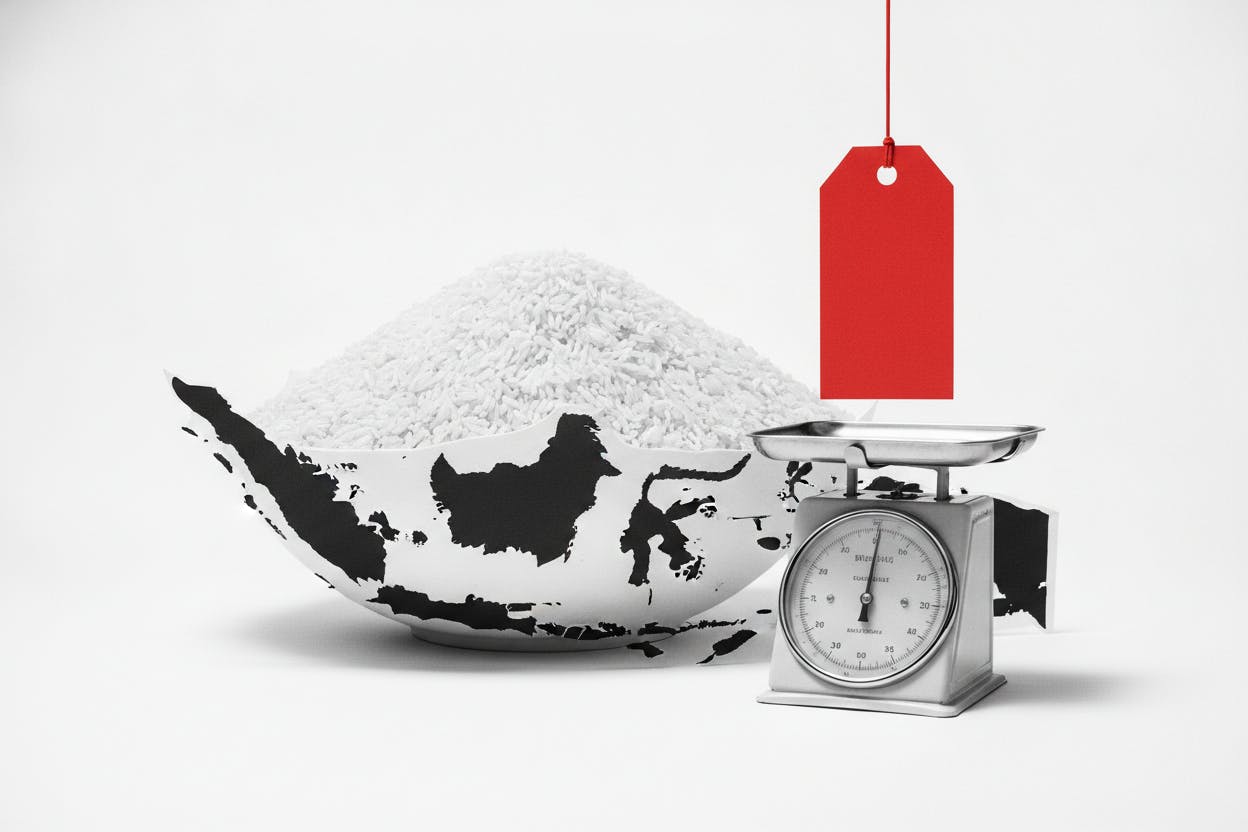
Indonesia's rice prices have continued to climb this year, rising 2.7% from January to June, according to retail data. The increase comes despite a record stockpile held by Bulog, the state logistics agency, which reported holding 5.4 million metric tons of rice by late June.
For everyday investors, this trend matters because rice is a staple food in Indonesia, and its price directly affects household budgets and inflation. When rice prices rise, consumers have less to spend on other goods, which can slow economic growth and impact company earnings across sectors.
Why Prices Are Rising Despite Record Stockpiles
The disconnect between Bulog's large inventory and rising retail prices suggests that the stockpile is not reaching consumers efficiently. Distribution bottlenecks, regional supply imbalances, and logistical challenges may be preventing the rice from flowing to markets where it is needed most.
Bulog's role is to stabilize rice prices by releasing stockpiles into the market when prices rise. However, the agency's ability to do so depends on its distribution network and coordination with local governments. If rice is stuck in warehouses or delayed in transit, it cannot help cool prices at the retail level.
Additionally, some analysts point to seasonal factors and weather-related disruptions to harvests as contributing to price pressure. Indonesia's rice production can be affected by El Niño patterns, which have brought drier conditions to parts of the country in recent months.
What This Means for Investors
Rising rice prices are a key component of Indonesia's inflation picture. The central bank, Bank Indonesia, closely watches food prices when setting interest rates. If rice prices continue to climb, it could keep inflation elevated and reduce the likelihood of rate cuts, which would be a headwind for stocks and bonds.
For investors in Indonesian equities, higher rice prices can squeeze consumer spending power. Companies in sectors like retail, restaurants, and discretionary goods may see weaker demand as households allocate more of their income to food. On the other hand, agricultural firms and rice producers could benefit from higher prices, though the government's intervention through Bulog may limit upside.
Investors should also watch for policy responses. The government may increase imports or accelerate distribution from Bulog's stockpiles to bring prices down. Any such moves could affect currency markets and trade balances.
In the broader context, Indonesia's rice price dynamics are part of a global story of food inflation that has persisted since the pandemic and the war in Ukraine. While global rice prices have eased from their peaks, local factors in Indonesia are keeping upward pressure on retail prices.
For those with exposure to Indonesian markets, the key question is whether Bulog can effectively deploy its record stockpile to stabilize prices in the coming months. If it can, inflation pressures may ease, supporting consumer spending and economic growth. If not, the current trend could persist, adding to the challenges facing the Indonesian economy.
Investors should also consider the potential impact on related sectors. For example, rising food prices have been a factor in broader market moves, such as the recent European stocks dip as inflation data showed mixed signals. While Indonesia's situation is unique, it reflects a global theme of food price volatility that investors should monitor.
Looking Ahead
The next key data point will be Bulog's monthly distribution figures and any announcements from the government about additional measures to address price rises. Investors should also watch for updates on the rice harvest and weather forecasts, as these will influence supply expectations.
For now, the record stockpile offers a buffer, but it has not yet translated into lower prices for consumers. The gap between Bulog's inventory and retail prices is a reminder that in commodity markets, having supply is only half the battle—getting it to where it is needed is just as important.