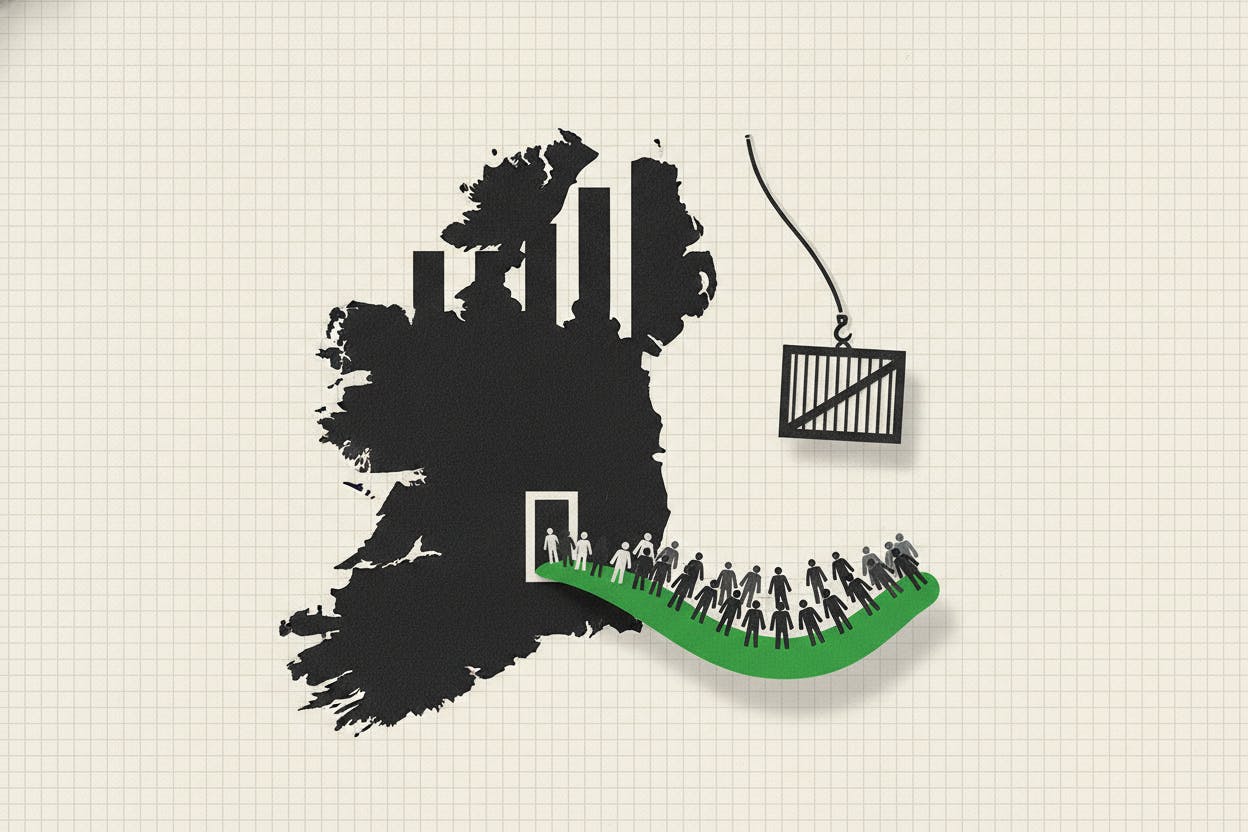
Ireland's manufacturing sector continued its steady expansion in July, with a key survey showing activity picking up pace and hiring surging to its fastest level in more than two years. The latest purchasing managers' index (PMI) from AIB, one of the country's largest banks, rose to 55.1 from 54.9 in June, staying comfortably above the 50 mark that separates growth from contraction.
The reading marks the 19th consecutive month of rising new business, according to the survey. Firms reported strong output and healthy order books, and the pickup in recruitment was linked to fuller pipelines and plans to expand capacity. That hiring spurt—the quickest since May 2022—suggests manufacturers are confident enough in future demand to add workers, a positive signal for the broader Irish economy.
What's driving the growth?
The PMI is a survey-based indicator that asks purchasing managers at manufacturing firms about new orders, output, employment, and other business conditions. A reading above 50 means activity is expanding, while below 50 signals contraction. July's result shows the sector is not just growing, but accelerating slightly.
Under the hood, the survey pointed to solid domestic demand and a resilient order pipeline. However, export orders softened during the month, a detail that could temper enthusiasm. Ireland is a small, open economy heavily reliant on trade, so any cooling in overseas demand matters. The slowdown in exports may reflect weaker global growth, ongoing geopolitical tensions, or currency fluctuations—though the survey did not specify causes.
This mixed picture is not unique to Ireland. US factory activity recently hit a four-year high on strong orders and hiring, while UK factory growth slowed to a four-month low as hiring cooled. The divergence highlights how different economies are navigating the same global headwinds.
Why it matters for investors
For everyday investors, the PMI is a useful leading indicator. It gives an early read on economic momentum before official data like GDP or employment figures are released. A sustained expansion in manufacturing often translates into stronger corporate earnings, which can support stock prices—especially for companies with exposure to Irish industry.
The strong hiring component is particularly encouraging. When firms add workers, it typically signals confidence in future demand and can boost consumer spending, creating a positive feedback loop. That said, the softening in export orders is a reminder that external risks remain. If global demand weakens further, Irish manufacturers could feel the pinch in coming months.
Investors should also consider the broader context. Upcoming jobs reports in major economies could shake markets as hiring cools and inflation lingers, which could influence interest rates and, in turn, affect manufacturing activity worldwide. Additionally, export data elsewhere has been moving markets, underscoring how interconnected global supply chains are.
What to watch next
Investors will be watching whether the hiring momentum continues and whether export orders stabilize. The PMI is a monthly snapshot, so one month's reading doesn't make a trend. But the fact that new business has grown for 19 straight months suggests the sector has solid underlying momentum.
For those with exposure to Irish equities or funds, the PMI is a good barometer to track. A sustained reading above 50 is generally supportive for corporate profits, while a drop below that line could signal trouble ahead. As always, it's wise to look at the data in context—considering global trade trends, currency moves, and central bank policy—rather than reacting to a single number.
In the meantime, Ireland's factories are humming along, and the hiring boom is a bright spot in an otherwise uncertain global landscape.