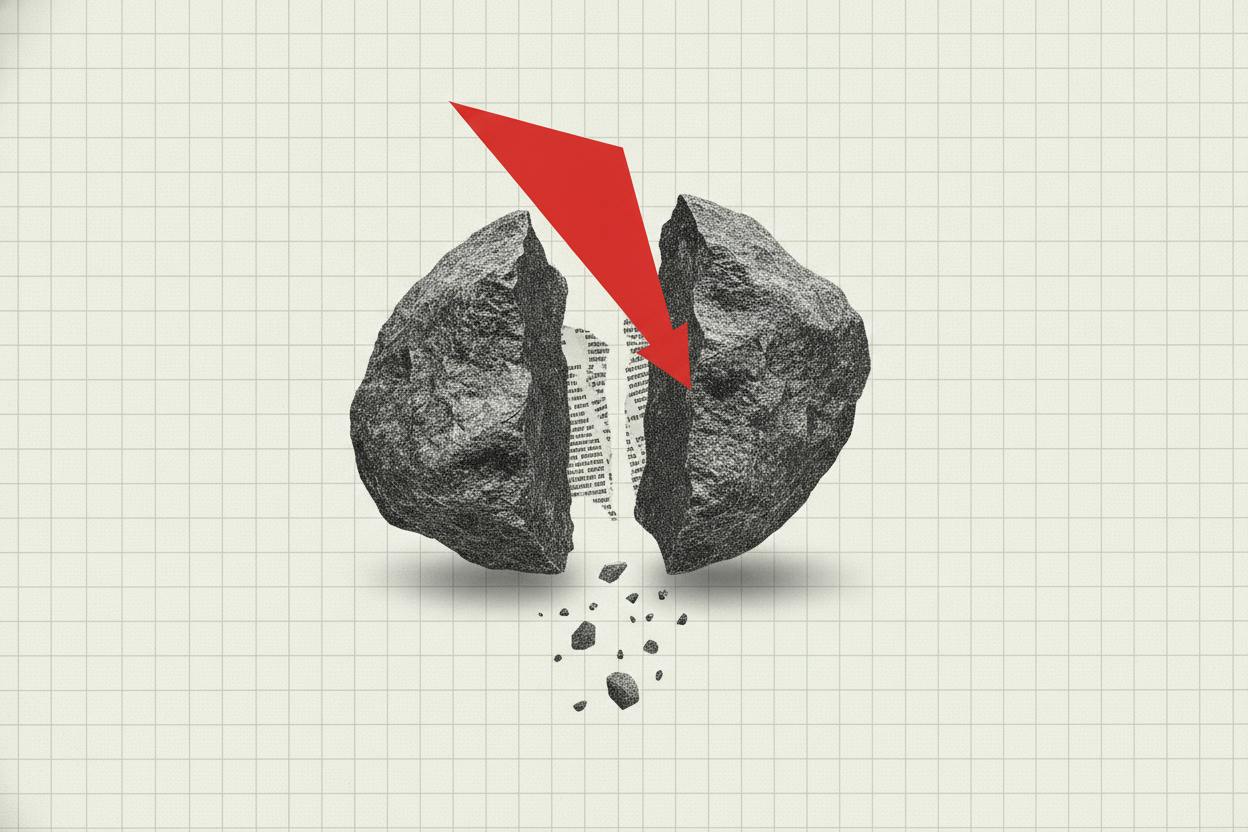
Iron ore futures tumbled to a two-year low on Tuesday, as traders in China and Singapore priced in softer steel demand from the world's biggest consumer and the prospect of more supply from a massive new mining project in Guinea.
The most-traded iron ore contract on China's Dalian exchange slid to 669 yuan per ton, while the benchmark November contract in Singapore dropped to $89.85. Both are the weakest levels since September 24, 2024, and mark the third straight session of declines.
Why iron ore is falling
The immediate trigger is demand. Analyst firm Zhengxin Futures noted that steel buying in China has cooled even during the traditional "peak season" — the autumn period when construction activity typically picks up. That is a red flag for the health of the world's largest steel market, which consumes roughly 70% of global seaborne iron ore.
On the supply side, expectations are building that Guinea's Simandou project — one of the largest untapped iron ore deposits in the world — will eventually ramp up output. Simandou has been in development for years, but recent progress has led traders to anticipate a meaningful increase in global supply in the coming years. Falling freight rates are also pulling down the cost of delivering ore to China, further pressuring prices.
The knock-on effect is showing up across the entire steel value chain. Futures for coking coal, coke, and major steel products like rebar and hot-rolled coil all fell in China, suggesting traders see this as a broad slowdown story rather than a single-commodity wobble.
What this means for steelmakers and investors
For steelmakers, lower iron ore prices can be a double-edged sword. On one hand, iron ore is their biggest input cost, so cheaper ore can boost margins if finished steel prices hold up. On the other hand, when ore falls alongside finished steel and other inputs, it usually signals that the market is downgrading end-demand and repricing the whole "steel complex" together.
That's why the key tell isn't just iron ore's level, but the gap between steel prices (like rebar on the Shanghai Futures Exchange) and key inputs like iron ore and coking coal. If that spread stays narrow while freight rates fall and Simandou supply looks closer, futures markets are effectively pricing tighter profits for mills and more near-term volatility for anyone exposed to China-linked steel and bulk-commodity trades.
For everyday investors, this is a reminder that commodity prices are often a leading indicator of economic health. Weak iron ore demand from China can signal slower construction and manufacturing activity, which may have ripple effects on global growth and corporate earnings. It also affects companies in the mining and steel sectors, as well as funds that track commodity indices.
Investors should also watch how this plays out for other bulk commodities. Japan's aluminum premium recently plunged, another sign of softening industrial demand in Asia. And China's mixed inflation data has already weighed on regional stock markets, suggesting the slowdown is broad-based.
What to watch next
The immediate focus will be on whether Chinese steel demand picks up in the coming weeks, as well as any new developments on Simandou. Traders will also be watching Chinese property data and infrastructure spending, as those are the main drivers of steel consumption.
For now, the market is clearly betting on a softer outlook. As one analyst put it, the fall in iron ore is not just a raw-materials story — it's a steel-margin story. And with the whole complex moving lower together, the message is that the world's biggest steel market is cooling off.
For investors, this is a time to keep an eye on companies with heavy exposure to Chinese steel demand, and to consider how commodity price moves might affect broader portfolios. As always, diversification and a long-term perspective remain key.