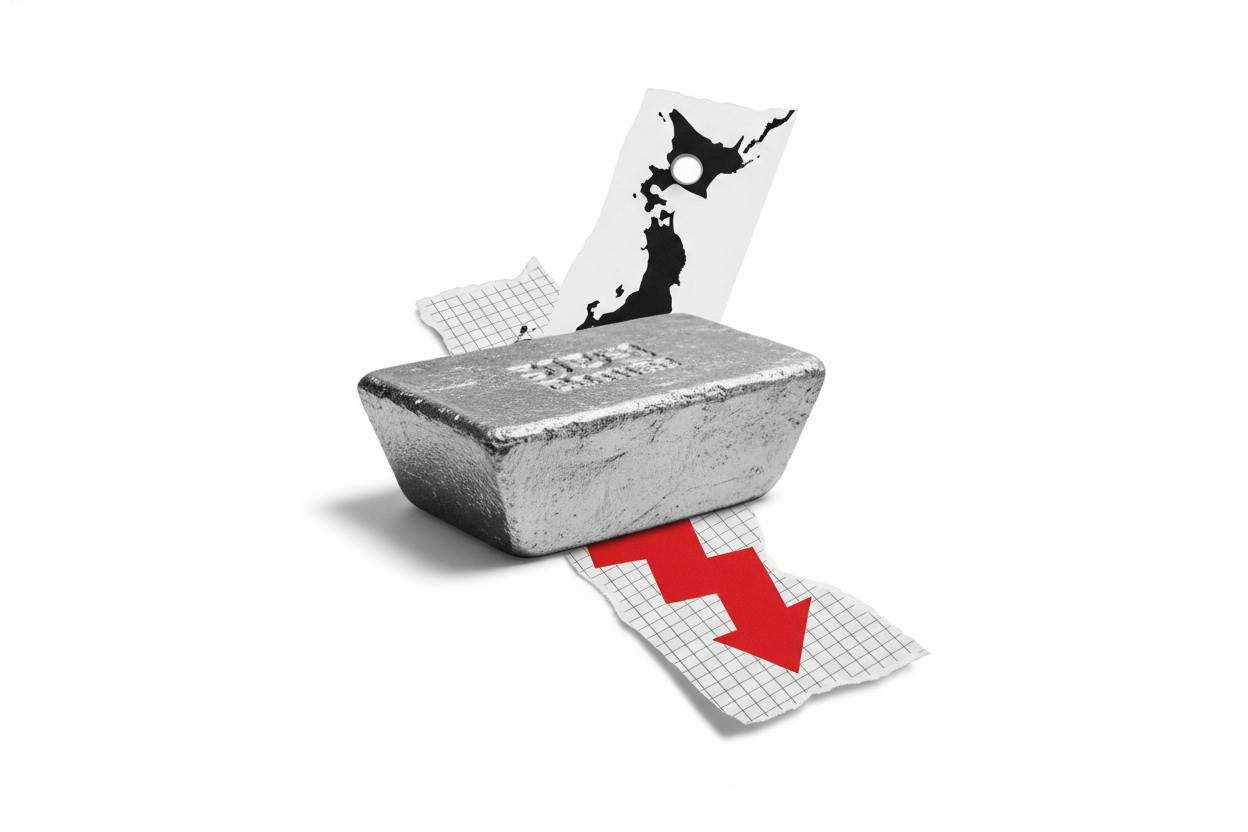
Japan's biggest aluminum buyers have agreed to pay a premium of $255 per metric ton over the London Metal Exchange (LME) cash price for October-December deliveries, according to five people involved in the talks. That's a sharp 35% drop from the $395 premium set for the third quarter, reversing two consecutive quarterly increases.
The premium is the extra charge, on top of the global LME benchmark, that buyers pay to get physical metal delivered to Japan on a cost, insurance, and freight (CIF) basis. Because Japan is one of the world's largest importers of the metal, these quarterly negotiations are closely watched as a real-time gauge of physical supply and demand—not just futures-market sentiment.
Why the premium fell
The drop to $255 a ton marks a clear reversal from earlier this year, when the premium climbed to around $350 in the second quarter and then $395 in the third. A decline of this magnitude typically points to a combination of softer demand from manufacturers, more available supply, or cheaper shipping and financing costs.
For Japanese industries that rely heavily on aluminum—such as packaging, autos, and machinery—the lower premium directly reduces input costs. The all-in price they pay for metal is simply the LME price plus the premium, so a $140-a-ton reduction versus last quarter can feed quickly into margins. That's a welcome relief for companies that have been grappling with elevated raw material costs.
Still, the current premium remains well above last year's lows, underscoring how quickly the physical market can tighten and loosen. Reuters, which reported the agreement and has tracked these negotiations since 2005, notes that similar swings have occurred in past cycles when logistics bottlenecks or regional shortages temporarily made delivered metal far more expensive than the global benchmark.
What it means for investors
For traders and producers, the lower premium sends a clear signal: with less extra money on offer in Japan, the incentive to route marginal shipments there weakens. That could shift global trade flows and give buyers more leverage in future contract talks. It also suggests that the physical market is loosening, which may weigh on aluminum prices more broadly if the trend continues.
For everyday investors, the news is most relevant if you hold shares in aluminum producers, manufacturers that use the metal, or exchange-traded funds (ETFs) that track commodity prices. A lower premium can squeeze revenue for producers that had been benefiting from high regional premiums, while providing a cost tailwind for downstream users like automakers and packaging companies.
It's also worth noting the broader context: Japan's economy has been showing signs of strain, with household spending declining again as inflation bites. Weaker consumer demand can translate into softer industrial output, which would help explain why manufacturers are less willing to pay up for aluminum.
Meanwhile, the Bank of Japan continues to navigate a tricky path. Traders are betting on another rate hike, and the IMF expects the BOJ to keep raising rates even as growth slows. Higher borrowing costs can dampen industrial activity, adding another layer of pressure on demand for raw materials.
For those tracking the broader commodities complex, the drop in Japan's premium is a reminder that physical market signals can diverge from futures prices. While LME aluminum prices are set by global supply and demand, regional premiums reflect local logistics, tariffs, and availability. Investors who only watch the headline LME price may miss important shifts in the real economy.
Looking ahead, market participants will be watching whether the lower premium persists into next year's negotiations, and whether other regions follow Japan's lead. If the softer tone spreads, it could signal a broader cooling in global aluminum demand—something that would have implications for miners, smelters, and manufacturers alike.
For now, the message from Japan is clear: the physical aluminum market is loosening, and buyers are regaining the upper hand.