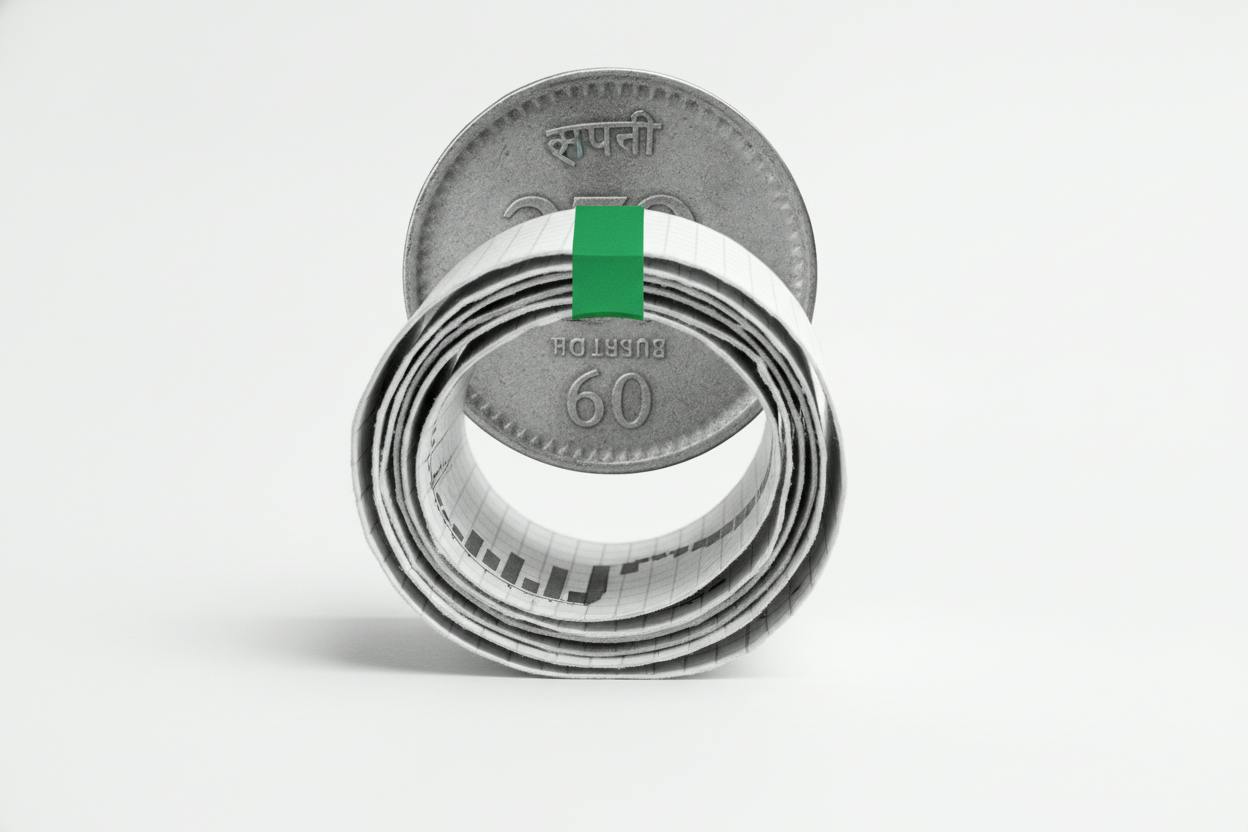
India's rupee strengthened to its highest level in more than a month on Tuesday, after the central bank's governor pushed back against further depreciation and defended the country's new foreign-exchange restrictions. The currency touched 94.77 per dollar intraday before closing at 95.15, according to Reuters.
The move marks a turnaround after a rough stretch for the rupee, which had been under pressure from a stronger dollar and persistent outflows of foreign portfolio investment. But the rally hit a familiar wall: importers are still scrambling to hedge against a pricier dollar, and that demand for dollars has kept a lid on gains near the 95 level.
What the RBI is doing
At the center of the story is the Reserve Bank of India (RBI) and its new governor, Sanjay Malhotra. Malhotra has made clear he has little patience for more currency weakness, and he defended the central bank's recent foreign-exchange curbs—measures that make it more expensive for banks and companies to buy dollars for hedging purposes.
These curbs are part of a broader effort to support the rupee without draining the country's foreign-exchange reserves. By making hedging costlier, the RBI is effectively discouraging speculative bets against the currency and trying to reduce the pressure that comes from heavy dollar demand.
But there's a wrinkle: the same curbs are making it more expensive for Indian importers to protect themselves against a rising dollar. That's a double-edged sword. On one hand, it helps the rupee by reducing dollar buying. On the other, it raises costs for companies that need dollars to pay for goods and services, which can feed into higher prices for consumers.
Why the rupee matters to investors
For everyday investors, the rupee's value is more than just a number on a screen. A weaker rupee makes imported goods more expensive, which can push up inflation. It also affects the returns on foreign investments and the earnings of Indian companies that rely on imports or have dollar-denominated debt.
When the rupee strengthens, it can be a positive sign for the broader economy, as it helps cool imported inflation and reduces the cost of servicing foreign debt. But it can also hurt exporters, who get less in rupees for every dollar they earn.
The RBI's stance is part of a delicate balancing act. The central bank wants to avoid a sharp depreciation that could spook foreign investors and worsen inflation, but it also doesn't want to overdo it and hurt export competitiveness.
What's next for the rupee
Investors will be watching several factors in the coming weeks. First, the path of the U.S. dollar, which remains a key driver for emerging-market currencies. Second, the pace of foreign portfolio flows, which have been a source of pressure on the rupee. And third, any further signals from the RBI about its currency policy.
The RBI has already signaled more support for the rupee in recent days, as the currency extended a two-day rally. But the central bank's new curbs are a reminder that it is willing to use unconventional tools to defend the currency.
For importers, the cost of hedging is likely to stay elevated, which could squeeze margins for companies that rely heavily on imported inputs. That's a theme that has been playing out across Indian industry, as consumer goods giants face margin pressure from rising input costs.
Broader economic backdrop
The rupee's move comes against a backdrop of elevated inflation and global uncertainty. India's wholesale inflation recently hit a multi-year high, and oil prices and foreign selling have tested India's stock rally. Higher oil prices are a particular concern for India, as the country imports most of its crude, and a weaker rupee only adds to the import bill.
The RBI's focus on currency stability is therefore not just about the exchange rate—it's also about containing inflation and maintaining financial stability. By signaling that it won't tolerate excessive weakness, the central bank is trying to anchor expectations and prevent a self-fulfilling spiral of depreciation.
For investors, the key takeaway is that the RBI is actively managing the currency, and that means volatility could persist. While the rupee's recent bounce is encouraging, the underlying pressures—import demand, portfolio outflows, and global dollar strength—haven't disappeared.
As always, it's important to remember that currency movements are just one piece of the investment puzzle. For most long-term investors, the rupee's daily fluctuations are less important than the overall health of the economy and the companies they own. But for those with exposure to foreign assets or imported goods, the currency's direction is worth watching closely.