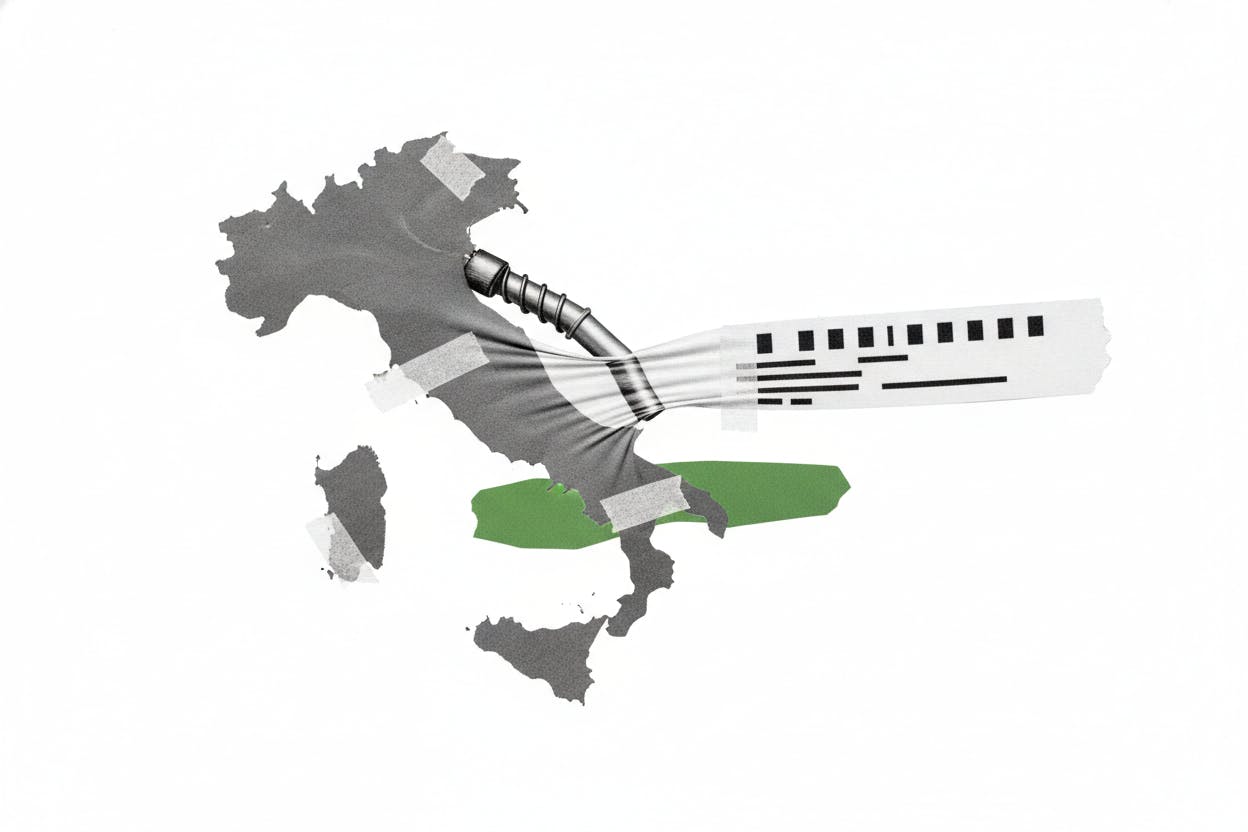
Italy has decided to keep its diesel tax cut in place through August 25, extending a measure that reduces the cost of fuel by €0.17 per liter. The move comes as European Union interior ministers push for tougher action on migration following the arrival of about 72,000 people in Spain's North African enclave of Ceuta.
What's behind the diesel tax cut?
Diesel is a major fuel for trucks, buses, and many passenger vehicles across Europe. By cutting the tax, the Italian government aims to lower the price at the pump, which can help both households and businesses that rely on road transport. The extension means drivers will continue to pay less for diesel for several more weeks, potentially easing pressure on household budgets and operating costs for logistics and farming industries.
Fuel taxes are a significant source of government revenue, so extending a cut means Rome is forgoing some income. However, with inflation and cost-of-living concerns still on many voters' minds, governments across Europe have used such measures to cushion the impact of high energy prices. The decision also comes as Italy's budget situation remains in focus, with the country's July budget surplus narrowing to €13.4 billion, a sign that fiscal room may be tightening.
Migration pressure and EU response
Meanwhile, EU interior ministers are meeting to discuss how to handle the growing number of migrants arriving at the bloc's borders. The recent surge in arrivals at Ceuta, a Spanish territory on the Moroccan coast, has highlighted the challenges facing member states. Ceuta and its sister enclave Melilla are often flashpoints for migration, as they share land borders with Morocco and are the only EU territories in mainland Africa.
The 72,000 figure represents a significant influx, and ministers are under pressure to agree on a common approach. Proposals include stricter border controls, faster processing of asylum claims, and more cooperation with countries of origin and transit. The situation is politically sensitive, as migration has been a divisive issue among EU members, with some calling for more solidarity and others demanding tougher enforcement.
Italy, as a frontline state for Mediterranean arrivals, has a direct interest in these discussions. The country has often complained about bearing a disproportionate share of the burden and has pushed for a more equitable distribution of migrants among EU states. The extension of the diesel tax cut may be seen as a domestic measure to show responsiveness to economic concerns, even as the government engages in broader EU negotiations.
What it means for investors
For investors, the diesel tax cut extension is a modest but notable signal. It suggests that the Italian government is willing to use fiscal tools to support consumers and businesses, which could help sustain domestic demand. However, it also means less revenue for the state, potentially complicating efforts to reduce debt. Italy's public debt is among the highest in the eurozone, and any additional spending or tax relief could put pressure on bond yields.
The migration issue, meanwhile, has broader economic implications. A large influx of migrants can strain public services and housing, but it can also provide labor in sectors facing shortages. For companies operating in Italy and other EU countries, the outcome of migration policy could affect labor markets and social stability. Investors will be watching whether the EU can reach a coherent agreement that balances security with humanitarian concerns.
In the near term, the diesel tax cut is likely to have a limited direct impact on most portfolios, but it is part of a larger picture of fiscal and political developments in Europe. As deal activity and banking consolidation continue to make headlines, investors should keep an eye on how Italy balances its economic priorities with its commitments to the EU.
For everyday investors, the key takeaway is that fuel prices are being kept artificially lower by government action, which can influence inflation readings and consumer spending. If the tax cut is not renewed after August 25, diesel prices could jump, potentially feeding into higher transport costs and, ultimately, goods prices. That could affect the outlook for inflation and interest rates, which are critical for bond and stock markets.
As always, it's important to remember that government policies are just one factor in investment decisions. Diversification and a long-term perspective remain essential.