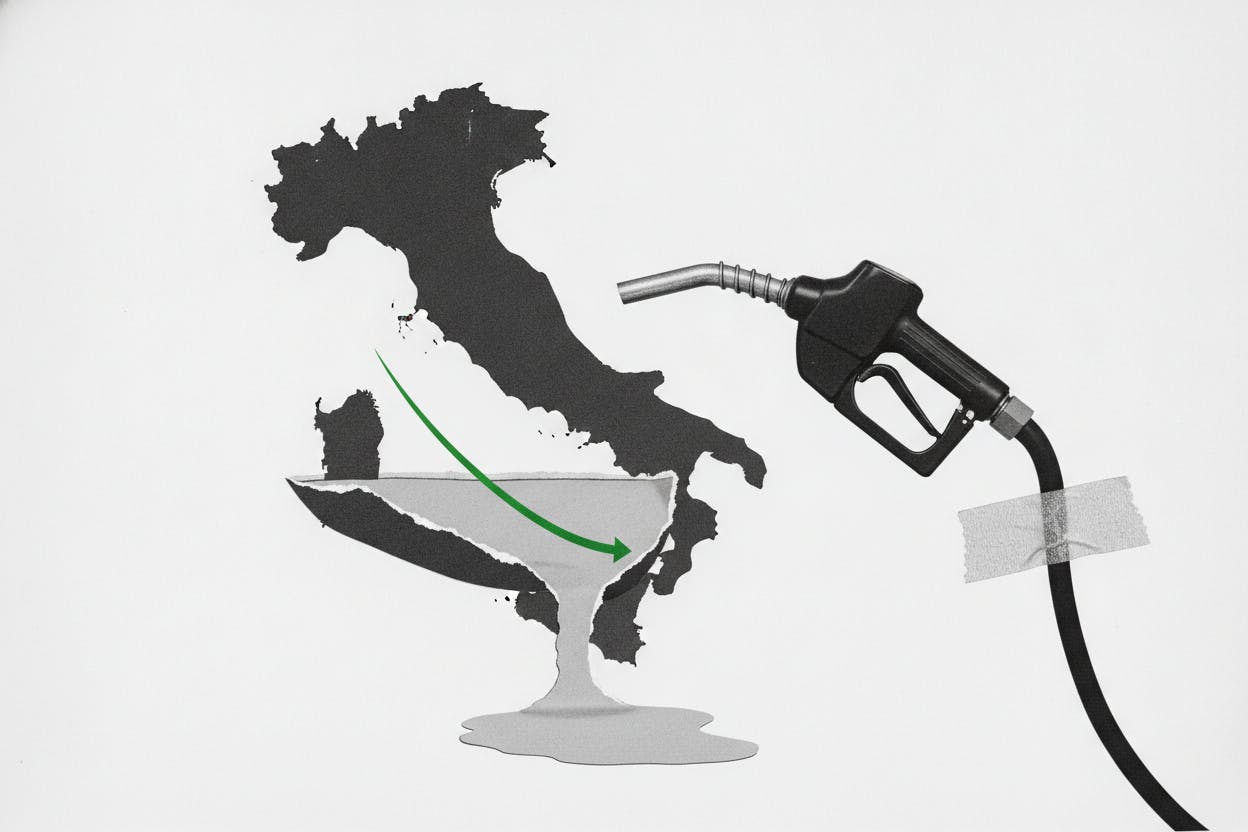
Italy's public finances showed a slight cooling in July, as the Treasury reported a state-sector surplus of €13.4 billion—down from €14.1 billion in the same month last year. The narrower surplus keeps a spotlight on whether tax revenues are keeping pace with government spending as the year progresses.
The figures, released alongside a batch of corporate earnings, offer a mixed snapshot of the eurozone's third-largest economy. While the budget gap is not a dramatic swing, it signals that the fiscal cushion may be thinning as the government continues to spend on stimulus measures and rising debt interest costs.
What's behind the numbers?
The July surplus is a seasonal phenomenon—Italy typically collects a large chunk of its annual tax revenue in the summer months, including corporate and income tax payments. But the year-on-year decline suggests that revenue growth is slowing, even as expenditures remain sticky.
Economists watch these monthly figures closely because they provide an early read on whether the government can meet its full-year deficit targets. A smaller surplus in July doesn't automatically spell trouble, but it does raise questions about the trajectory for the rest of the year, especially if economic growth falters.
The Treasury's update comes amid a broader European fiscal backdrop, where governments are juggling post-pandemic recovery funds with the need to rein in debt. Italy's debt-to-GDP ratio remains one of the highest in the eurozone, making its budget performance a key concern for investors in Italian bonds.
Corporate results fill in the picture
Alongside the fiscal data, two notable Italian companies reported earnings that help illustrate the health of the domestic economy.
Stellantis, the automaker formed from the merger of Fiat Chrysler and PSA, saw its European market share edge up to 25.9%. That's a modest gain, but it suggests the company is holding its ground in a competitive and increasingly electric-vehicle-focused market. For investors, market share is a key indicator of pricing power and long-term competitiveness, especially as automakers face margin pressure from the transition to EVs.
Salvatore Ferragamo, the luxury fashion house, returned to profit, a sign that high-end consumer demand remains resilient despite broader economic uncertainty. Luxury goods companies have been a bellwether for discretionary spending, and Ferragamo's turnaround could be seen as a positive signal for the sector, though the company still faces challenges from shifting consumer preferences and global supply chains.
These earnings come at a time when investors are parsing corporate results for clues about the broader economy. As S&P 500 earnings growth cools, the focus is on how companies in different regions and sectors are navigating inflation, interest rates, and consumer demand.
What it means for investors
For everyday investors, the combination of a thinner budget surplus and mixed corporate results offers a few takeaways.
First, Italy's fiscal position matters beyond its borders. As one of the largest issuers of eurozone debt, any sign of fiscal strain can influence bond yields across the region. A wider-than-expected deficit could push Italian bond yields higher, which in turn affects borrowing costs for the government and, indirectly, for businesses and households.
Second, the corporate earnings from Stellantis and Ferragamo provide a window into consumer behavior. Stellantis's stable market share suggests that demand for cars, including EVs, remains steady, while Ferragamo's return to profit indicates that luxury spending is holding up. However, these are just two companies, and investors should be cautious about extrapolating too much from them.
Third, the broader earnings season is a reminder that company results are often a lagging indicator. While the Treasury's borrowing forecast and fiscal data reflect past and present conditions, investors are more focused on what lies ahead. The question is whether the current pace of economic growth can sustain corporate profits and government revenues.
For those with exposure to European equities or bonds, keeping an eye on Italy's fiscal trajectory is prudent. The country's budget performance is a key metric that can influence everything from the euro's value to the stability of the region's banking system. As Italy tightens its border checks and deals like the Banco BPM-Monte dei Paschi merger fall through, the political and economic landscape remains fluid.
In the near term, investors will likely watch for the Treasury's next monthly update and any revisions to the full-year deficit target. If the surplus continues to shrink, it could prompt rating agencies to take a closer look at Italy's creditworthiness, which would have ripple effects across European markets.
For now, the July figures are a gentle reminder that fiscal health is not a given. As the year unfolds, the balance between tax receipts and spending will be a story worth following.