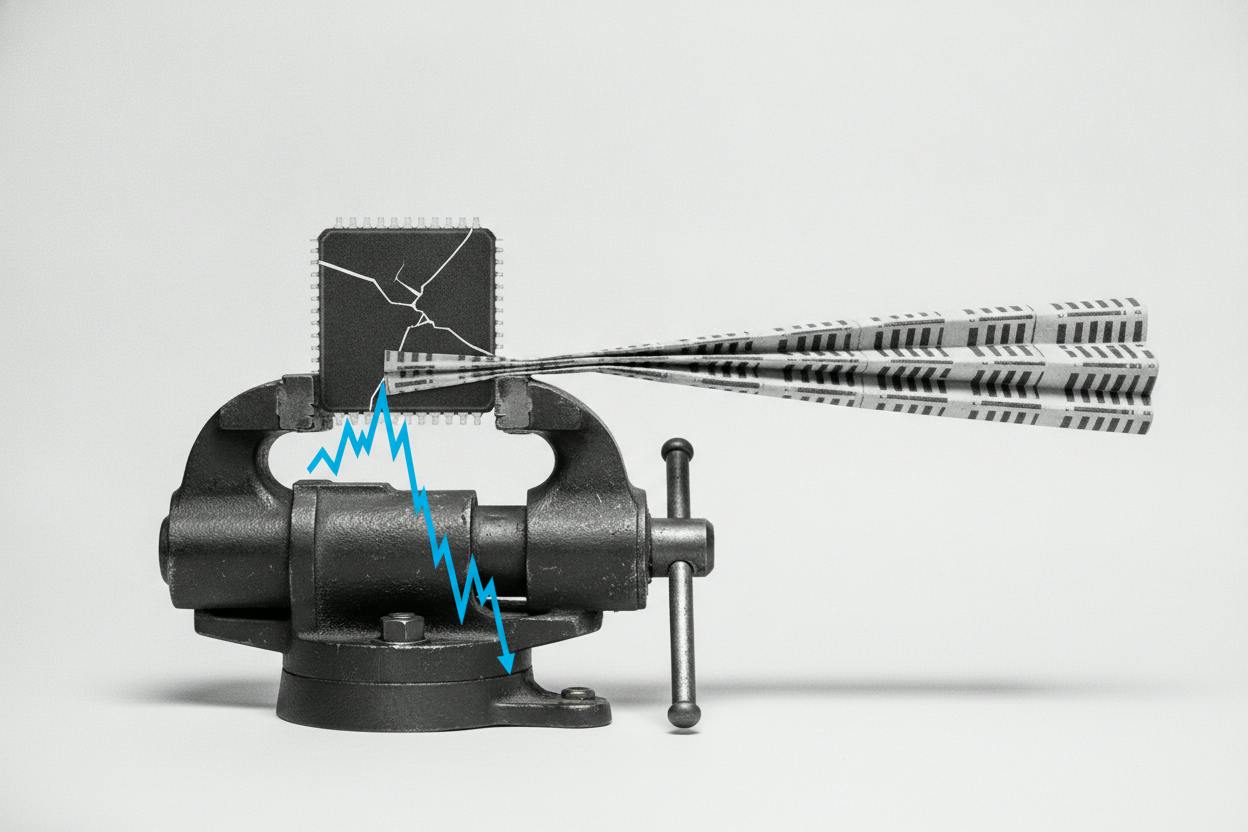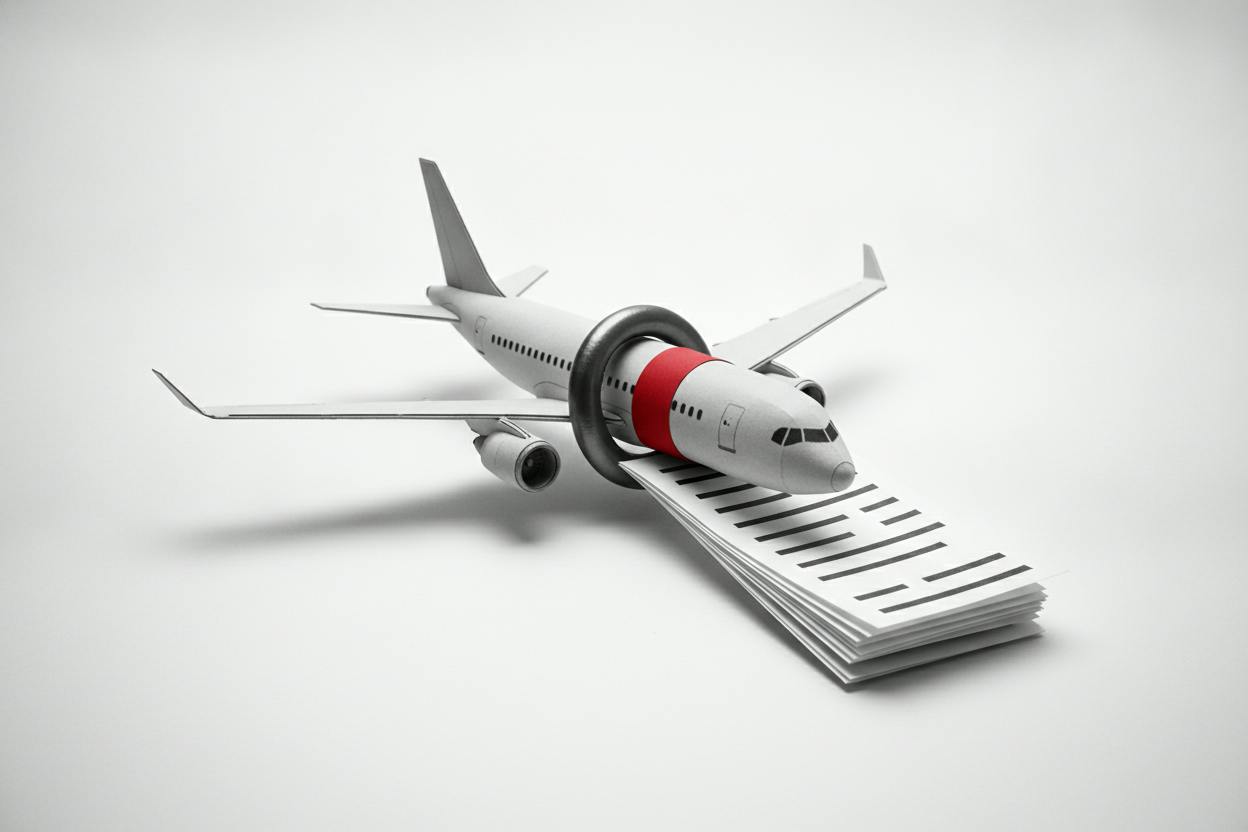
At this week's ISTAT conference, the mood among aircraft lessors has shifted. The problem is no longer just finding planes to lease — it's the rising cost of fuel and money that's now weighing on the market. Financiers said that jet fuel prices hovering around $100 a barrel, combined with higher borrowing costs, are cooling activity in the second-hand aircraft market, even though persistent shortages of new planes continue to support lease rates.
From plane shortages to cost pressures
For the past few years, the aviation finance world has been defined by a shortage of aircraft. The grounding of the Boeing 737 MAX and engine problems that slowed deliveries of Airbus A320neo jets left airlines scrambling for capacity. That scarcity pushed up both the prices of used planes and the rates airlines pay to lease them, because carriers had few alternatives.
Now, the calculus is changing. At ISTAT, financiers pointed to rising US Treasury yields, which have lifted the cost of debt for lessors who borrow heavily to fund their fleets. At the same time, expensive jet fuel makes older, less efficient aircraft more costly to operate, reducing their appeal in the secondary market.
This combination is putting a damper on the brisk trade in used planes that had been a feature of the post-pandemic recovery. While lease rates remain firm due to the ongoing supply squeeze, the enthusiasm for buying and selling second-hand aircraft is cooling.
What it means for investors
For everyday investors, this news offers a window into the pressures facing the aviation industry and the financial firms that back it. Aircraft lessors — companies that buy planes and lease them to airlines — are sensitive to interest rates because they rely heavily on debt to finance their purchases. When rates rise, their financing costs go up, squeezing margins.
Fuel costs, meanwhile, affect the entire airline industry. Higher jet fuel prices can reduce airline profitability, which in turn can make airlines more cautious about taking on new leases or buying used aircraft. That dynamic is now showing up in the second-hand market, where activity is slowing.
For investors in airline stocks or aircraft leasing companies, this is a signal to watch fuel prices and central bank policy closely. The recent moves by central banks, including the Bank of England's decision to hold rates while signaling a possible hike, and the Bank of Japan's rate increase to a 31-year high, are part of a broader trend of tighter monetary policy. That trend raises borrowing costs globally, affecting not just aircraft lessors but any capital-intensive business.
It's also worth noting that the IMF's advice to keep rates high in some economies suggests that the era of cheap money is firmly over. For lessors, that means the cost of funding new aircraft purchases is unlikely to fall soon.
The bigger picture
The aviation finance market is a bellwether for the broader economy. When airlines are confident, they invest in new planes and lease rates rise. When costs climb, they pull back. The current situation — strong lease rates but cooling second-hand activity — reflects a market caught between supply constraints and cost pressures.
For investors, the key takeaway is that the tailwinds from the post-pandemic travel boom are fading, replaced by the headwinds of higher fuel and financing costs. While the shortage of new aircraft may keep lease rates elevated for now, the second-hand market is a leading indicator of where the industry is headed. If fuel and rates stay high, the cooling could spread to new aircraft orders and, eventually, to airline profitability.
As always, it's important to remember that markets are complex and many factors are at play. But for those with exposure to aviation or related sectors, the message from ISTAT is clear: the easy days are over, and cost discipline is back in focus.