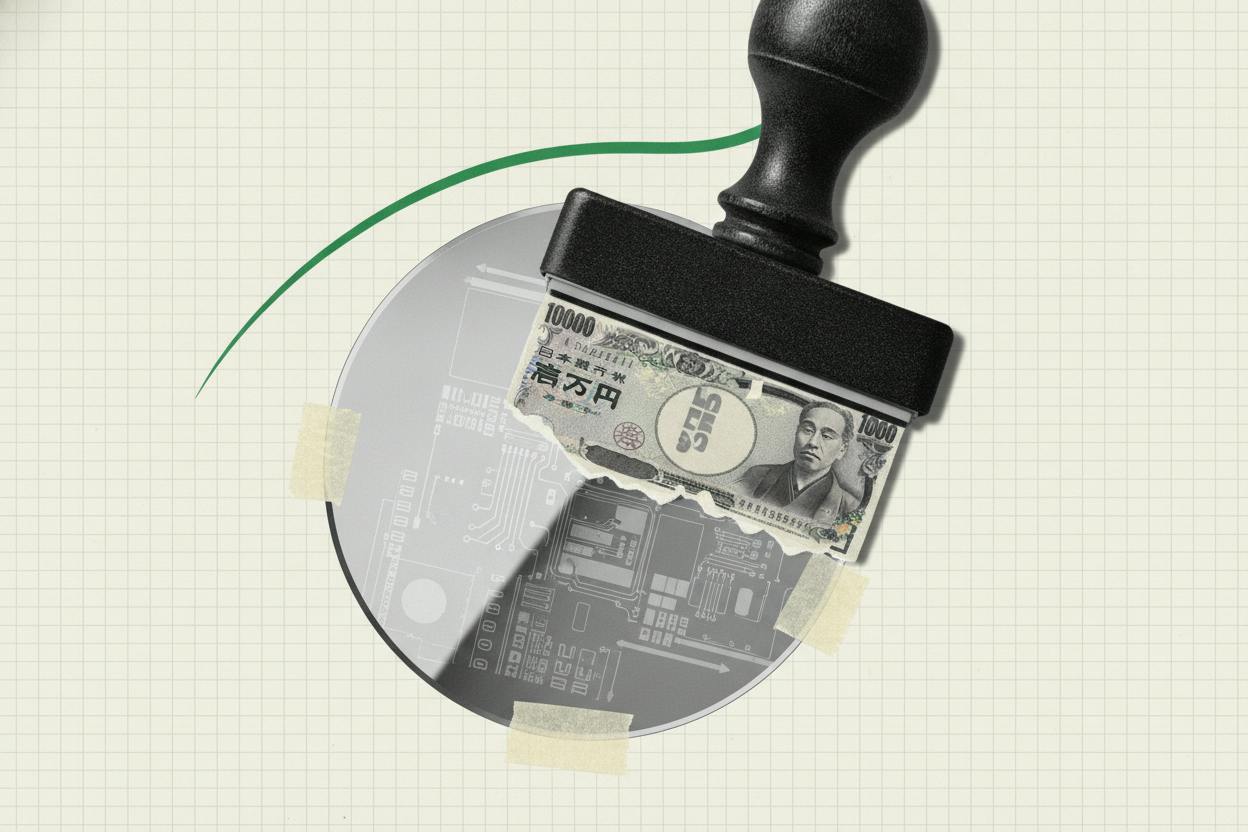
Japan Investment Corporation (JIC), a state-backed fund, is considering selling chip materials maker JSR to Mitsui Chemicals in a deal that could be worth more than 1.3 trillion yen (roughly $8.6 billion), according to a Reuters report. The potential sale comes about two years after JIC acquired JSR for approximately 900 billion yen, a move that was pitched as a way to consolidate Japan's semiconductor materials industry.
JSR is best known for producing photoresists—light-sensitive chemicals used to imprint circuit patterns onto silicon wafers. These materials are a critical part of the chip manufacturing process, and JSR holds a significant share of the global market. The company's technology is essential for making advanced semiconductors, which are in high demand as artificial intelligence (AI) applications drive a surge in computing power needs.
Why the sale is happening now
The Reuters report suggests that JIC is looking for an exit as AI-related spending lifts valuations across the chip supply chain. Over the past year, investors have poured money into companies that support AI infrastructure, from chip designers to equipment makers and materials suppliers. This has made it an attractive time for owners of chip-related assets to cash in.
For JIC, selling JSR now would allow the fund to realize a significant return on its investment. The reported sale price of over 1.3 trillion yen would represent a gain of roughly 400 billion yen compared to the purchase price. JIC's original acquisition was part of a broader government effort to strengthen Japan's position in the semiconductor industry, which is seen as strategically important for economic security.
The decision could come within the month, according to Reuters, and JIC may favor a sale to a domestic buyer. Mitsui Chemicals, a major Japanese chemical company, would be a natural fit because it already operates in the specialty chemicals space and could integrate JSR's photoresist business into its existing portfolio.
What this means for investors
For everyday investors, this deal is a reminder of how the AI boom is reshaping the semiconductor industry. While most attention focuses on chip designers like Nvidia or TSMC, the entire supply chain—including materials makers like JSR—is benefiting from increased demand. When a state-backed fund like JIC decides to sell a key supplier at a premium, it signals that the sector's growth is expected to continue.
For Mitsui Chemicals, acquiring JSR would be a major strategic move. It would give the company a leading position in a high-growth niche and diversify its revenue streams. However, the price tag is steep, and investors will be watching whether the deal delivers the expected synergies. If the acquisition goes through, Mitsui Chemicals' stock could react positively in the short term, but the long-term impact will depend on how well it integrates JSR's operations.
For JIC, a successful sale would validate its strategy of using state capital to nurture strategic industries. It would also free up funds for other investments, potentially in other parts of the semiconductor ecosystem. The Japanese government has been actively supporting chip-related projects, including a major investment in foundry maker Rapidus, as part of its push to revive the country's semiconductor industry.
Broader context: AI and chip valuations
The potential JSR sale comes amid a broader trend of rising valuations in the chip sector. AI-related spending has been a major driver of stock market gains, with companies like Nvidia and AMD seeing their shares soar. However, the sector has also experienced volatility, as seen in recent AI-driven selloffs that wiped out trillions of dollars in market value. Investors are increasingly focused on whether the massive capital expenditures on AI infrastructure will translate into sustainable profits.
For JSR, the sale would mark the end of a relatively short period of state ownership. The company was taken private by JIC in 2023, a move that was unusual because JSR was a profitable, well-established firm. The government's rationale was to protect a critical supplier from foreign takeovers and to facilitate consolidation in the materials sector. If the sale to Mitsui Chemicals goes through, it would keep JSR in Japanese hands, which aligns with the government's strategic goals.
What to watch next
Investors should keep an eye on the outcome of the JIC decision, which could come within weeks. If the deal is announced, the details of the price and any regulatory approvals will be important. Also worth watching is how Mitsui Chemicals finances the acquisition—whether it uses cash, debt, or a mix—and whether it faces any antitrust hurdles.
For those interested in the broader semiconductor materials sector, the JSR sale could set a benchmark for valuations. Other companies in the space, such as Shin-Etsu Chemical and Sumitomo Chemical, may see their own valuations rise as investors reassess the worth of chip materials suppliers. The deal also highlights the growing importance of valuation discipline in the tech sector, as buyers and sellers negotiate prices that reflect both current earnings and future growth potential.
For the average investor, the key takeaway is that the AI boom is not just about flashy chip designers. It's also about the less-visible companies that provide the essential materials and equipment. As long as AI spending continues to grow, these suppliers are likely to remain in the spotlight. However, as with any deal, there are risks—integration challenges, market fluctuations, and the possibility that the AI spending cycle could slow. Investors should always do their own research and consider how such developments fit into their overall portfolio strategy.