June's inflation data offered a welcome surprise for markets, with the Consumer Price Index (CPI) coming in cooler than anticipated. The report, which showed a slowdown in both headline and core CPI (which excludes volatile food and energy prices), prompted traders to quickly reassess the likelihood of near-term Federal Reserve rate hikes. But as Reuters columnist Jamie McGeever notes, the data is a helpful data point for new Fed Chair Kevin Warsh, not a free pass to declare victory over inflation.
The June numbers undercut recent hawkish comments from Fed Governor Christopher Waller, who had suggested tighter policy might be needed soon. However, Warsh has made clear he won't treat one report as "mission accomplished," and he faces added pressure to show inflation-fighting credibility after being nominated by a president who has publicly pushed for rate cuts.
The Persistence Problem
The bigger issue is that inflation has proven stubbornly persistent. Headline inflation, core inflation, and the Fed's preferred gauge, personal consumption expenditures (PCE) inflation, have all run above the central bank's 2% target for more than five years. That's why markets are already looking ahead to June's PCE report, due on July 30, for confirmation that the disinflation trend is real.
The June CPI decline was partly driven by a drop in shelter costs, which have a much larger weight in the CPI index than in the PCE index. That means a repeat downside surprise in PCE is less guaranteed. Economists at Goldman Sachs and Pantheon Macro expect core PCE to tick down only slightly.
Bond markets echoed that caution. Short-term yields fell sharply after the CPI release, but longer-term inflation expectations implied by bond pricing (so-called breakevens) barely moved. The yield curve steepened, a sign that investors still want compensation for the risk that inflation stays sticky over the long run.
What It Means for Investors
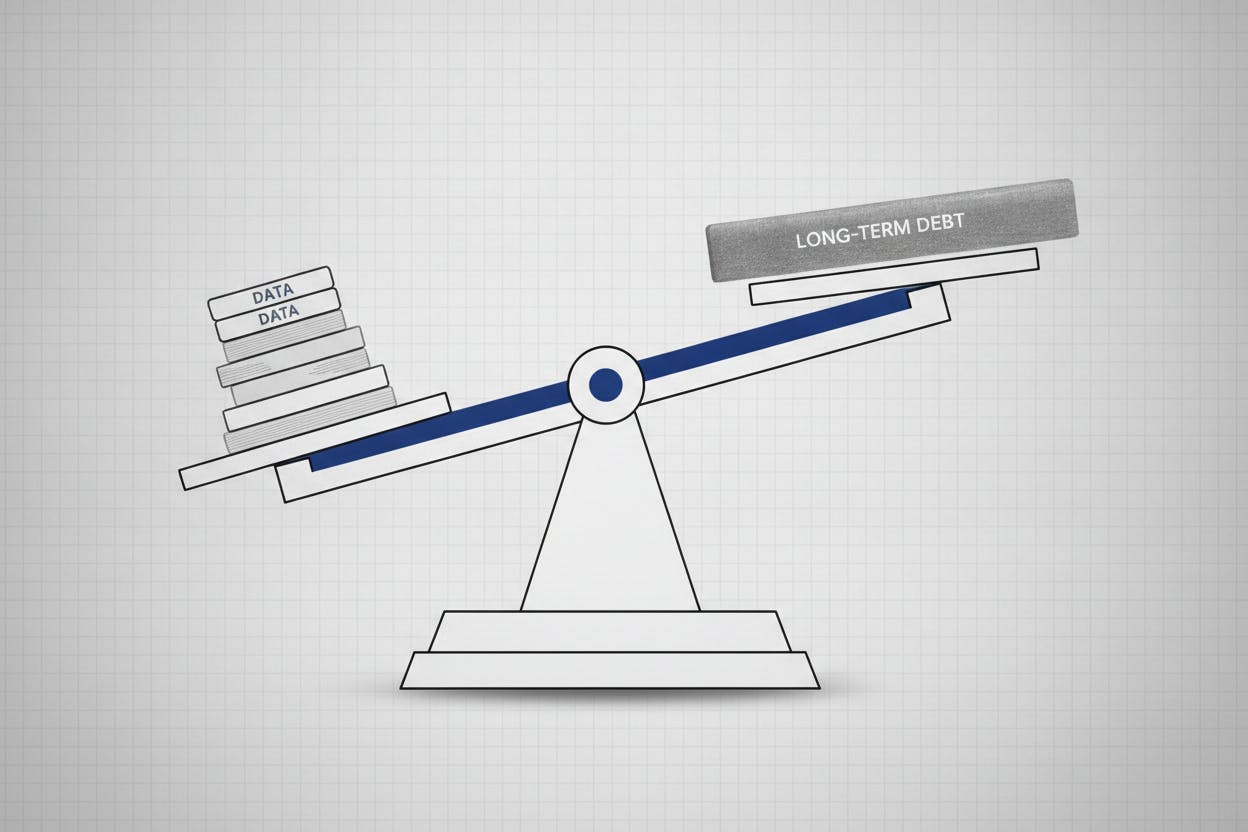
The split between short-term and long-term bond market reactions has real implications for household borrowing costs. While cooler CPI led markets to price fewer near-term Fed hikes, quickly pulling down yields on short-dated US government bonds, longer-term yields didn't fall nearly as much. That's because many household borrowing rates, like 30-year fixed mortgage rates, are tied more closely to long-term benchmarks than to where the Fed might take rates over the next meeting or two.
So even when "rate-cut hopes" show up in short-term yields, big-ticket costs like mortgages may not drop much if investors still see stubborn inflation risk in the long end of the bond market. This dynamic was evident in the market response to the CPI data, which also helped fuel a rally in Indian bonds and supported copper prices as rate hike fears eased.
For everyday investors, the key takeaway is that one month of cooler CPI does not signal the end of the inflation fight. The Fed remains cautious, and markets are watching for confirmation from the PCE data later this month. Until then, the bond market's message is clear: inflation risks persist, and borrowing costs may stay elevated even if short-term rate expectations soften.