US retail sales are expected to post a modest 0.2% increase in June when the Commerce Department releases its monthly report on Thursday at 8:30 a.m. ET. But beneath that headline number, a more telling measure of consumer spending is forecast to show a stronger 0.5% gain, according to a Bloomberg-compiled survey of economists.
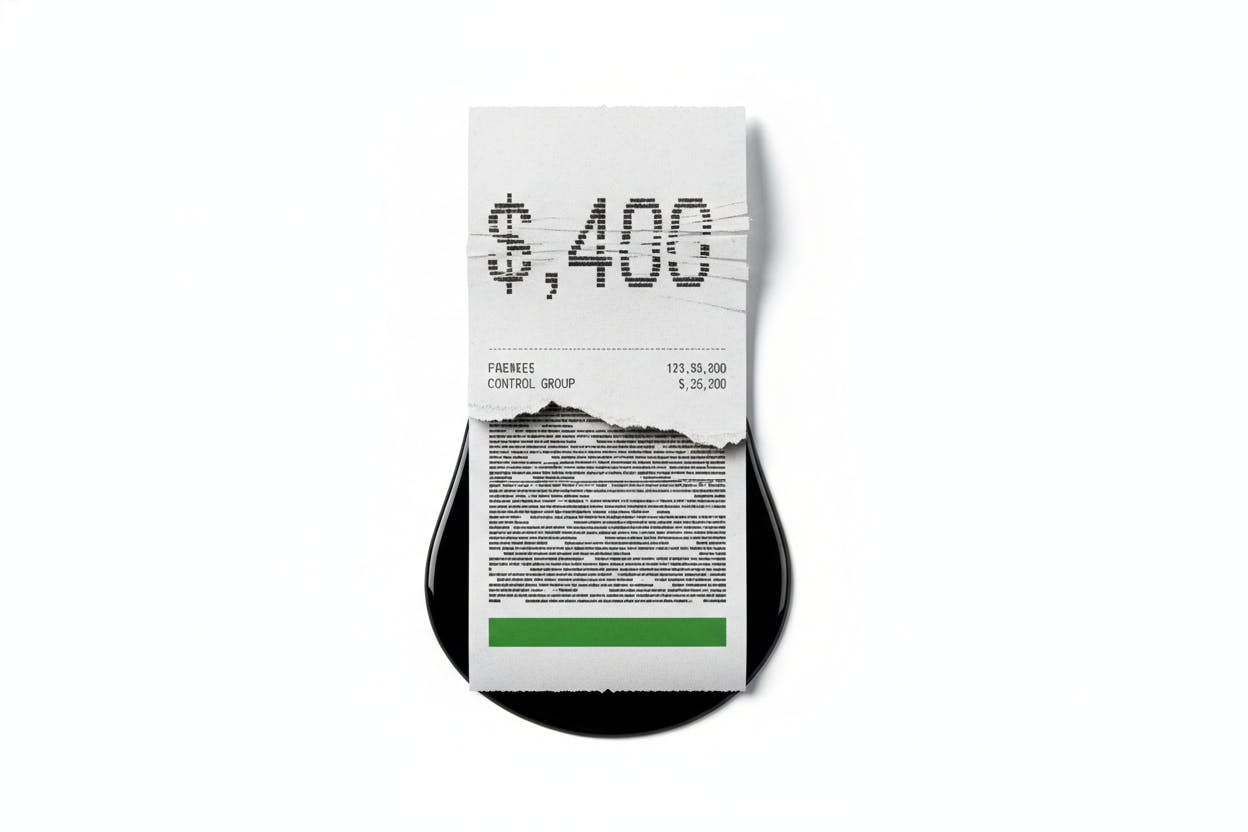
The headline figure is being pulled down by falling gasoline prices. After a 9.7% drop in June, gas station sales are expected to decline sharply, reversing May's jump. That price swing reduces the dollar value of sales even if Americans buy the same number of gallons. The so-called 'control group' — which strips out volatile categories like gas, autos, and building materials — is the metric economists watch most closely to gauge underlying household demand.
What the Control Group Tells Us
The control group's 0.5% expected rise would mark a solid pace of consumer spending, consistent with the steady growth described in the Fed's Beige Book released last week. That report noted that economic activity continued to expand across most districts, with price pressures easing. Consumer spending, which accounts for about two-thirds of US economic activity, has remained resilient despite elevated interest rates and lingering inflation concerns.
Recent data from big banks also points to a consumer that is still spending. In their latest earnings calls, major lenders reported steady consumer spending even as oil prices have risen and inflation uncertainty persists. That picture aligns with the control group forecast: households are not pulling back dramatically, but they are becoming more selective.
Why Gasoline Distorts the Headline
Gasoline station sales are a classic example of why the headline retail sales number can be misleading. When gas prices fall, the dollar value of sales at the pump drops — even if people are driving the same distances and filling up the same number of tanks. In June, the average price of regular unleaded gasoline fell by nearly 10%, according to AAA data. That alone could shave several tenths of a percentage point off the headline retail sales figure.
Economists expect this effect to be pronounced in Thursday's report. After a 0.5% jump in gasoline station sales in May, June likely saw a sharp reversal. The control group, by excluding gasoline, gives a cleaner read on how much consumers are actually spending on discretionary goods and services.
What It Means for Investors
For everyday investors, the retail sales report is a key window into the health of the consumer — and by extension, the broader economy. A control group rise of 0.5% would suggest that household demand is holding up well, which supports corporate earnings and could ease fears of an imminent recession.
However, the headline weakness might cause short-term market jitters. If traders focus on the 0.2% headline number without digging into the details, they could misinterpret it as a sign of consumer fatigue. That could lead to a sell-off in retail stocks or broader market indices. Savvy investors will look past the headline to the control group, which is the metric the Federal Reserve and many Wall Street analysts track most closely.
The report also comes at a time when the Fed is watching economic data closely for clues about when to cut interest rates. The central bank has held rates steady at its recent meetings, as noted in the Bank of Canada's similar decision, and is looking for evidence that inflation is cooling without the economy weakening too much. A solid control group reading would support the 'soft landing' narrative — where inflation falls without a major spike in unemployment.
Other Factors to Watch
Beyond gasoline, the retail sales report includes data on a wide range of categories: autos, electronics, clothing, furniture, and online shopping. Economists will be watching for signs of strength or weakness in discretionary spending, especially as consumers grapple with higher credit card debt and depleted pandemic-era savings.
In recent months, spending has shifted toward services and away from goods, a trend that could continue in June. That shift is one reason why the control group — which includes both goods and some services — is a better gauge than the headline number alone.
For investors, the key takeaway is that the US consumer remains resilient, but the path ahead is uncertain. Thursday's data will provide one more piece of the puzzle, and the control group's 0.5% expected rise is a reassuring sign that the economy is not falling off a cliff.