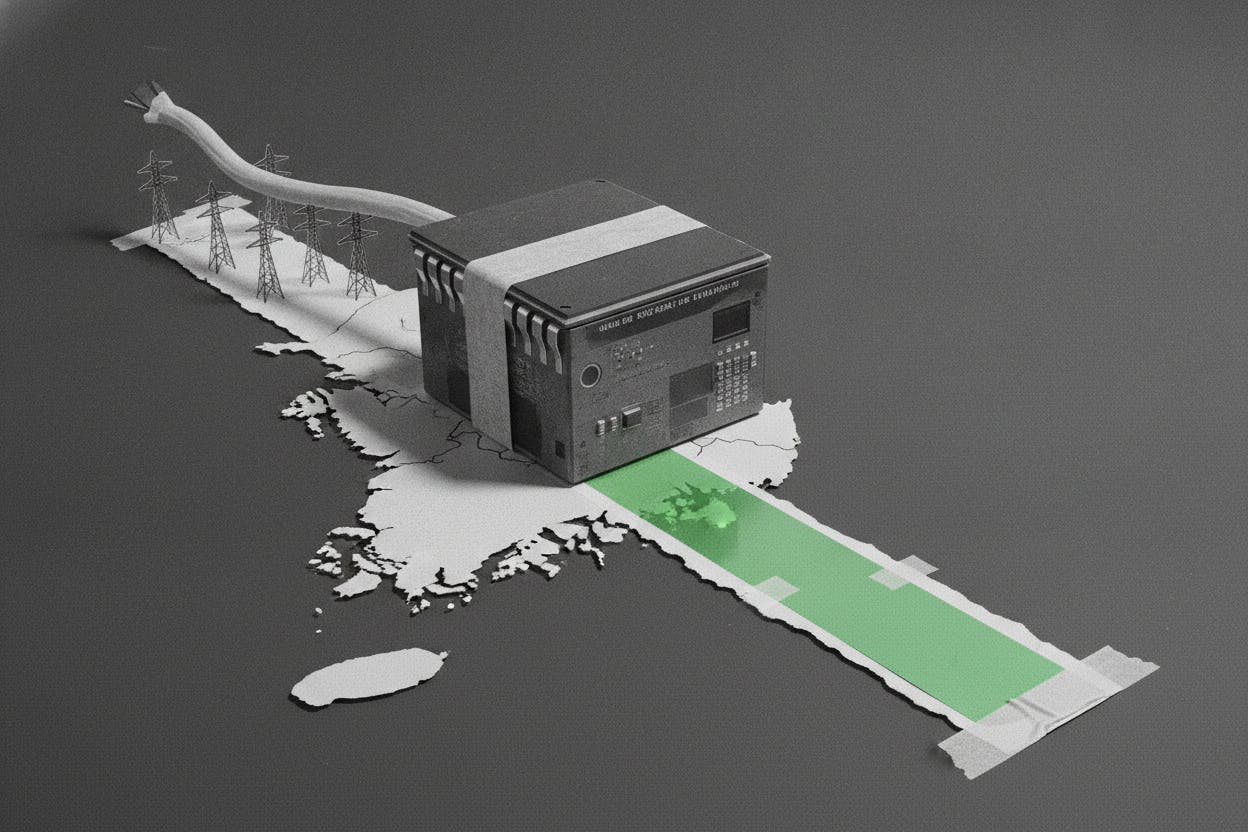
South Korea's state-owned power utility, Korea Electric Power Corporation (KEPCO), has floated the idea of asking the country's two biggest chipmakers—Samsung Electronics and SK Hynix—to pay for electricity in advance through 2031. The proposal, reported by the Korean newspaper Chosun Ilbo, is aimed at helping KEPCO fund the construction of new transmission lines and substations needed to keep pace with surging power demand.
Under the plan, the chip giants would effectively become early investors in grid infrastructure, paying now for power they expect to use over the next several years. In return, they would presumably secure reliable electricity supply for their massive semiconductor plants, which are among the most energy-intensive facilities in the world.
Why KEPCO needs the money
KEPCO has been under financial pressure for years. The utility racked up heavy losses when global energy prices spiked, and it has been raising electricity rates to recover costs. At the same time, South Korea's grid is aging and needs significant upgrades to handle growing demand from industry, data centers, and the broader push toward electrification.
The country's semiconductor sector is a key driver of that demand. Samsung and SK Hynix operate sprawling fabrication plants that run around the clock, and their power needs are only expected to grow as they expand production of advanced chips, including those used in artificial intelligence (AI) applications. The rise of AI has intensified the global race for computing power, and South Korea's chipmakers are at the center of that race.
KEPCO's proposal is unusual. Utilities typically recover infrastructure costs through regulated tariffs spread across all customers. Asking a specific group of large users to prepay is a more direct arrangement, effectively treating them as partners in grid investment. It reflects the scale of the challenge: building transmission lines and substations is expensive and time-consuming, and utilities often struggle to finance such projects without guaranteed revenue.
What it means for Samsung and SK Hynix
For Samsung and SK Hynix, the request adds a new layer of cost and complexity to their operations. Prepaying for electricity would tie up significant capital for years, money that could otherwise be used for research, production capacity, or shareholder returns. However, the chipmakers may have little choice if they want to ensure their factories have enough power to run at full capacity.
Power reliability is critical for semiconductor manufacturing. Even a brief interruption can ruin entire batches of wafers, leading to millions of dollars in losses. As such, securing a stable and sufficient electricity supply is a strategic priority for these companies. The prepayment proposal could be seen as a way to lock in that supply, even if it comes with an upfront cost.
The two companies are also among the most profitable in South Korea, so they are better positioned than most to absorb such a request. Still, the negotiation will likely be delicate, with both sides weighing the long-term benefits against the immediate cash outlay.
What it means for investors
For everyday investors, this story is a reminder that the AI boom has ripple effects far beyond the companies that design chips. It is also reshaping the infrastructure that powers the digital economy. Utilities, grid operators, and equipment makers are all seeing new demand—and new costs—as a result.
If KEPCO succeeds in getting Samsung and SK Hynix to prepay, it could set a precedent for how other utilities fund grid upgrades in an era of soaring electricity demand. It might also signal that power constraints are becoming a bottleneck for tech expansion, a theme that investors in both tech and energy sectors should watch.
For holders of KEPCO stock, the proposal is a potential positive, as it would ease the utility's financing burden and reduce the need for debt or rate hikes. For investors in Samsung and SK Hynix, the impact is more nuanced: it could mean higher operating costs, but also greater certainty about power availability, which is essential for their growth plans.
The broader takeaway is that electricity is becoming a strategic asset, and the companies that control it—or that can secure it—may have an edge. As South Korea's factory activity continues to be driven by chip exports, the reliability of the grid is increasingly tied to the country's economic performance.
Investors should also keep an eye on how this plays out in the context of inflation trends and monetary policy. If KEPCO raises rates to fund its investments, that could feed into consumer prices, but prepayment deals might help avoid that. Either way, the cost of keeping the lights on—and the chips flowing—is becoming a central issue for South Korea's economy and its stock market.