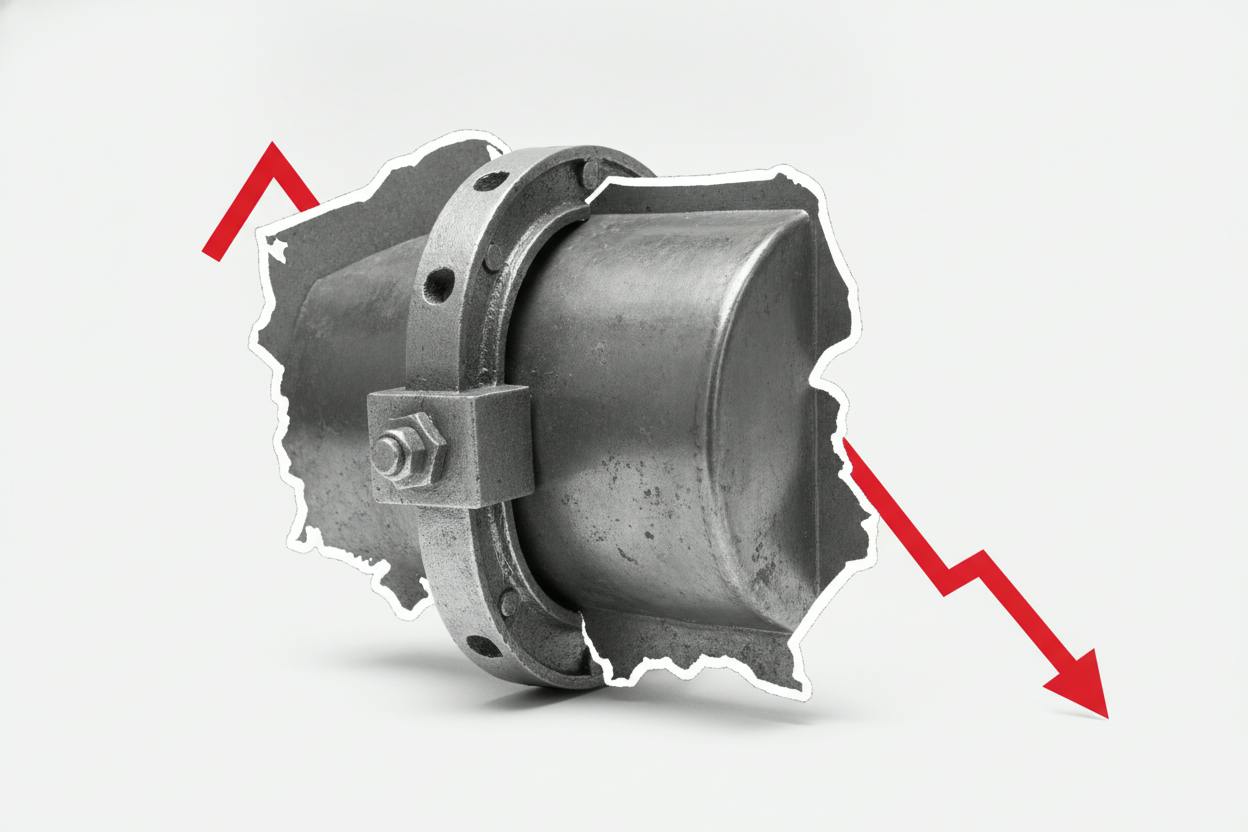
Polish copper and silver producer KGHM reported a stronger-than-expected third-quarter profit, but the numbers also highlight how much the company's fortunes hinge on metal prices and how quickly those can turn.
The state-controlled miner posted net profit of 1.94 billion zlotys (about $480 million) for the July-to-September period, comfortably above the 1.33 billion zlotys analysts had forecast, according to Reuters. Revenue jumped to 12.04 billion zlotys from 8.32 billion a year earlier.
The headline beat, however, masks a more complicated story. KGHM didn't mine or sell significantly more metal: electrolytic copper production rose just 0.5% and copper sales were up 1.1%. Instead, higher copper and silver prices earlier in the quarter did most of the heavy lifting, boosting revenue even as volumes stayed roughly flat.
Costs are climbing
The flip side is that costs didn't cooperate. KGHM's minerals extraction tax more than doubled year on year, jumping 110%. That's a reminder that miners face expenses that don't automatically fall when commodity prices drop.
Management is now emphasizing cost and operational efficiency, according to the Reuters report, a signal that the company is bracing for a tougher environment. Copper prices have slid for five straight sessions, hitting a more-than-six-month low, weighed down by a stronger U.S. dollar and concerns that spending on artificial intelligence-related infrastructure could cool.
The recent copper weakness is part of a broader trend. Copper has hit a seven-month low as the dollar strengthened and algorithmic selling added pressure. A stronger dollar makes dollar-priced metals more expensive for buyers using other currencies, which tends to dampen demand and push prices lower.
What it means for investors
For everyday investors, KGHM's results are a useful case study in how miners work. Many people assume mining companies grow by digging up more ore, but often the biggest driver of profits is simply the price of the metal they sell. When output and sales are nearly flat, a big profit beat is usually telling you that prices were favorable during the quarter.
The catch is that costs don't move in lockstep with commodity prices. Taxes, labor, energy and equipment expenses are often fixed or slow to adjust. So when metal prices fall, margins can shrink quickly, and profits can swing from a beat to a miss in just a few months.
KGHM's 110% jump in its extraction tax is a prime example. That charge is tied to production and prices, and it can keep biting even if copper prices turn lower. For investors, that means the recent profit beat may not be repeatable if copper stays weak.
Indeed, the market is already signaling caution. Miners and energy stocks have been dragged lower by falling copper and oil prices, reflecting broader worries about global demand. And copper smelters are facing negative fees by 2027 as processing capacity outpaces mine supply, which could squeeze margins across the industry.
For KGHM specifically, the next few months will be telling. If copper prices stabilize or rebound, the company's cost pressures may be manageable. But if the slide continues, investors could quickly reset their expectations for the fourth quarter and beyond.
The broader lesson for anyone holding mining stocks or funds: these companies are essentially leveraged bets on commodity prices. When prices rise, profits can surge even without production growth. When prices fall, the same leverage works in reverse, and costs like extraction taxes can amplify the pain.
KGHM's beat is a reminder that a strong earnings report doesn't always mean a strong future. The real test is whether the metal price tailwind lasts.



