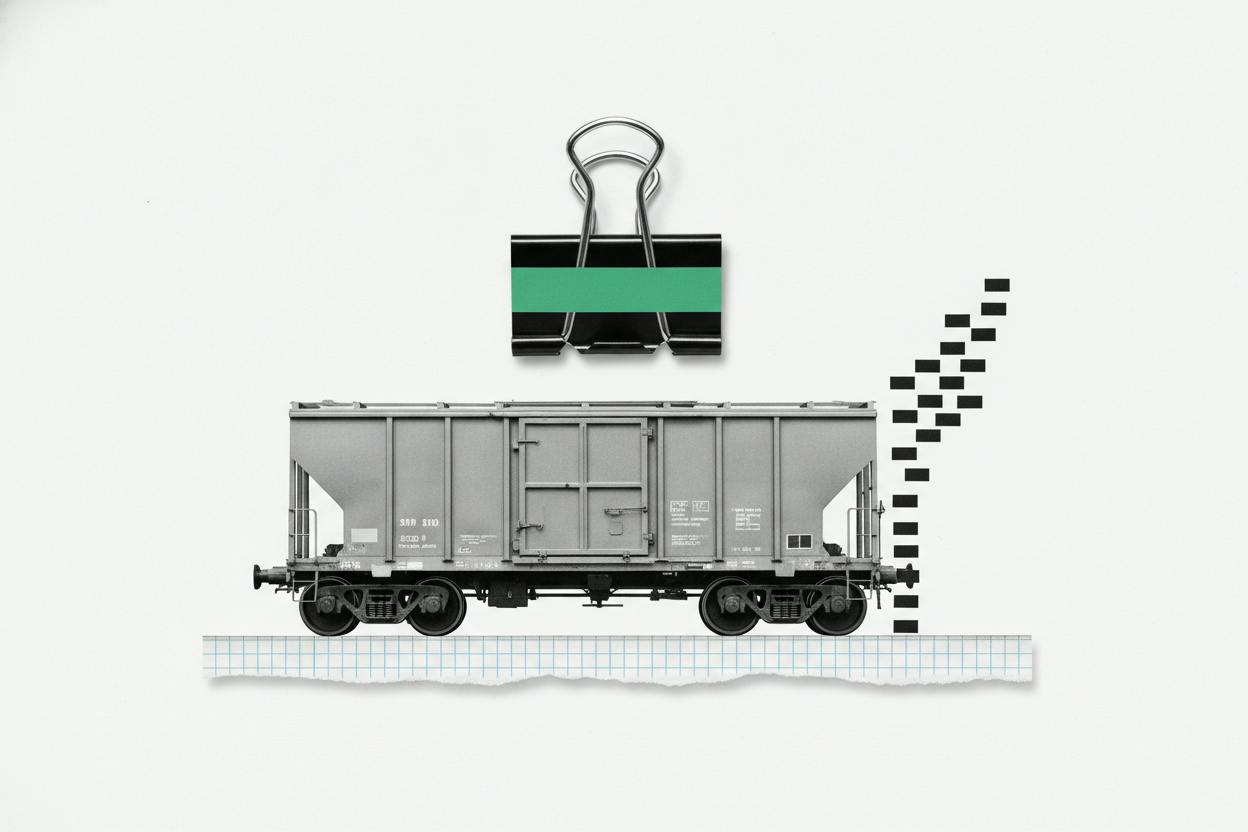
Private equity firms are still making big, asset-heavy bets. In one of the week's largest deals, KKR has agreed to sell railcar lessor Infinity Transportation to Ares Management for roughly $2.9 billion, according to Reuters' Monday deals roundup. The transaction is a clear signal that even with higher borrowing costs, investors remain willing to put money behind businesses with steady, contract-like revenue.
What is railcar leasing?
Railcar leasing is a niche but important part of the transportation industry. Companies that ship goods by rail—from grain and coal to chemicals and finished products—often don't buy the railcars themselves. Instead, they lease them from firms like Infinity Transportation, which own large fleets and rent them out under long-term contracts.
For a buyer like Ares, the appeal is the predictability of those lease payments. Railcar lessors earn money from monthly rentals, and the underlying assets—the railcars themselves—retain value because they can be sold or re-leased if a customer stops using them. That combination of steady income and tangible collateral makes these businesses attractive to private equity firms, which often borrow heavily to fund acquisitions.
Why this deal matters
The $2.9 billion price tag is more than just a big number. It sets a fresh reference point for how investors value leased-asset cashflows right now. When a private equity firm sells to another private equity firm at this scale, it suggests the math still works even with today's higher interest rates.
In railcar leasing, the key metrics are lease length, how often the cars are in use (utilization), and what the cars can be sold for later. Lenders look at these factors to decide how much they'll finance against the cashflows. If a buyer like Ares is comfortable underwriting those assumptions and borrowing against them, it can support valuation marks and refinancing terms for other equipment and vehicle lessors.
The deal also reinforces a broader trend: private capital is still willing to fund asset-heavy M&A, as long as the cashflows are predictable enough to carry the debt. That's a positive sign for the wider deals market, which has been slow to recover from the rate-hiking cycle.
What it means for investors
For everyday investors, this deal is a reminder that private equity activity can influence public markets. When large private transactions happen, they often set benchmarks that affect how public companies in similar businesses are valued.
Take Australia's FleetPartners, a vehicle leasing company. Its shares hit a record high after it agreed to be acquired for A$1.13 billion. Deals like Infinity can reinforce the idea that scaled lessors can still attract competitive bids, which can boost sentiment across the sector.
For investors holding shares in leasing or asset-heavy companies, this kind of transaction is a signal that buyers see value in predictable, collateral-backed cashflows. It also suggests that private equity firms are not shying away from debt-financed deals, even with interest rates where they are.
Other deals in the roundup
Reuters' Monday roundup also highlighted other dealmaking activity. Ares' purchase of Infinity Transportation was the standout, but the roundup also flagged New Hope's A$2.4 billion takeover of Malabar, an Australian coal producer. That deal shows that M&A is spreading across industries, from transportation to energy.
For context, other recent deals have also shown that private equity and corporate buyers remain active. For example, a potential $1 billion sale of True Religion after the denim brand's comeback, and Foxconn's plan to buy half of Mitsubishi Electric Mobility for ¥115 billion, both point to a steady flow of transactions.
The bottom line
The KKR-Ares railcar deal is a healthy sign for the M&A market. It shows that even in a higher-rate environment, there is appetite for businesses with reliable cashflows and tangible assets. For investors, it's a useful reminder that private equity activity can ripple into public markets, affecting valuations and sentiment across sectors.
As always, no single deal tells the whole story. But when a $2.9 billion transaction like this gets done, it's worth paying attention to what it says about the state of dealmaking—and the value investors place on steady, asset-backed income.



