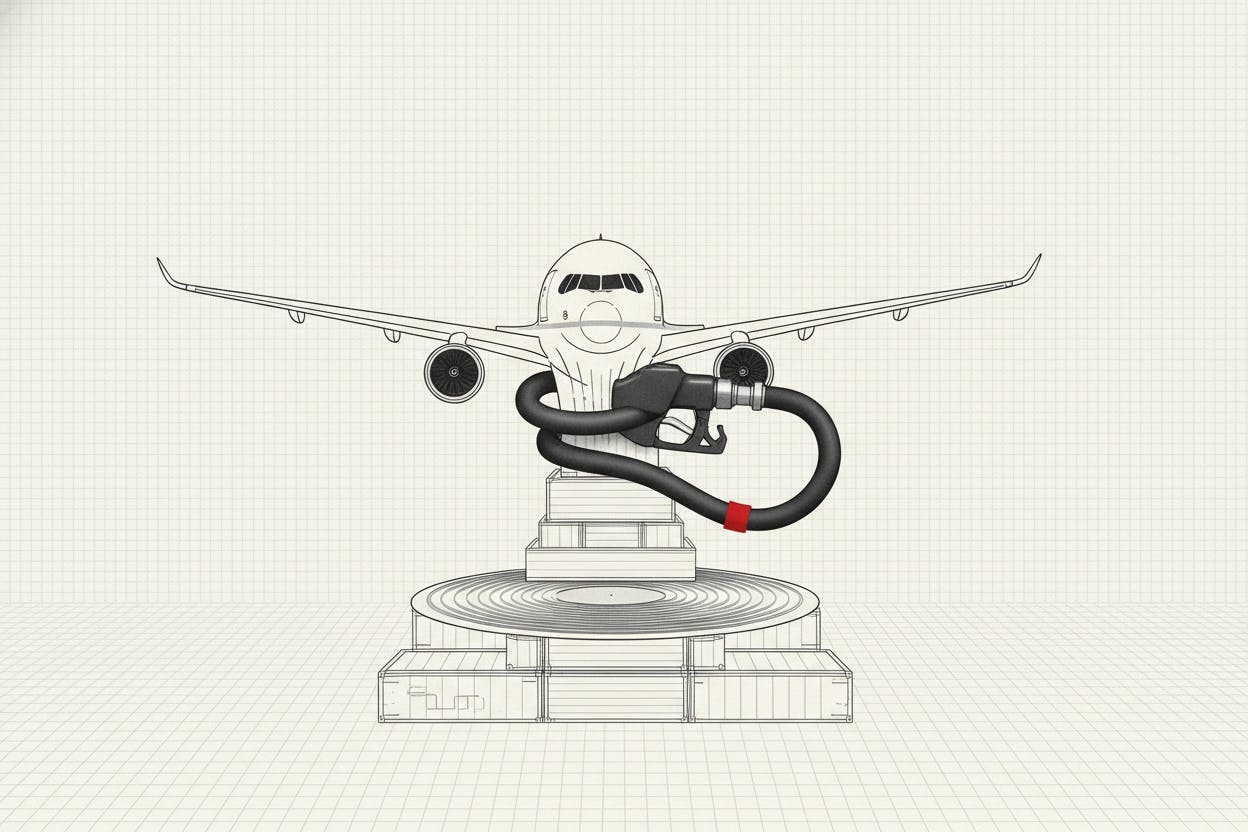
Korean Air Lines, South Korea's flag carrier, reported a record quarterly revenue of 5.02 trillion won ($3.7 billion) for the April–June period, but higher jet fuel costs pushed operating profit down 34% to 261.8 billion won. The results highlight a familiar challenge for airlines: strong demand doesn't always translate into higher profits when fuel prices surge.
Record Revenue, Squeezed Margins
Revenue climbed 26% from a year earlier, driven by a 19% rise in passenger revenue to 2.85 trillion won and a 46% jump in cargo revenue to 1.54 trillion won. The cargo boost was fueled by demand for AI-related components and other high-value goods, a trend also seen at other carriers. However, operating profit fell sharply from 398.9 billion won a year ago, as fuel costs—typically an airline's second-largest expense after labor—rose faster than ticket prices could adjust.
The airline's load factor, a measure of how full its planes are, remained strong. But the profit squeeze underscores how vulnerable carriers are to volatile oil prices. Jet fuel prices have climbed this year amid geopolitical tensions, including concerns over shipping through the Strait of Hormuz, a key chokepoint for global oil supplies. Oil prices jumped 4% in July on those fears, adding pressure on airlines worldwide.
Passenger and Cargo Demand Both Strong
Korean Air benefited from a rebound in inbound tourism to South Korea and a rise in transit passengers connecting through its Incheon hub. The carrier has also expanded routes to Southeast Asia and the United States. On the cargo side, the airline has been a key player in shipping semiconductors and other electronics, particularly as AI-related demand has surged. TSMC's record quarter earlier this year showed that AI demand is still driving growth across the supply chain, and Korean Air's cargo business is a direct beneficiary.
The cargo segment's 46% revenue jump was the standout, reflecting both higher volumes and yields. Airlines that operate dedicated freighters, like Korean Air, have been able to capture more of the e-commerce and high-tech shipping market, which has grown faster than traditional cargo.
What It Means for Investors
For everyday investors, Korean Air's results are a case study in how external costs can offset top-line growth. The airline's revenue hit a record, but its profit margin shrank. This is a reminder that when investing in airlines, fuel costs are a critical variable—and one that companies can't fully control.
Korean Air has been hedging some of its fuel exposure, but not enough to fully insulate earnings from price spikes. The company also faces competition from low-cost carriers and other full-service airlines in the region. South Korean stocks have been volatile recently, and airline shares are particularly sensitive to oil price moves.
Investors will be watching whether Korean Air can pass on higher costs through ticket prices or fuel surcharges. The airline's strong cargo business provides a buffer, but if oil prices remain elevated, profit margins could stay under pressure. The broader market will also keep an eye on geopolitical developments, especially any escalation in the Middle East that could push fuel costs even higher. Saudi stocks edged higher recently as Strait of Hormuz tensions kept oil in focus, a sign that energy markets remain on edge.
Korean Air's record revenue shows demand is there, but the bottom line tells a more cautious story. For now, the airline is flying high on sales, but fuel costs are keeping profits grounded.