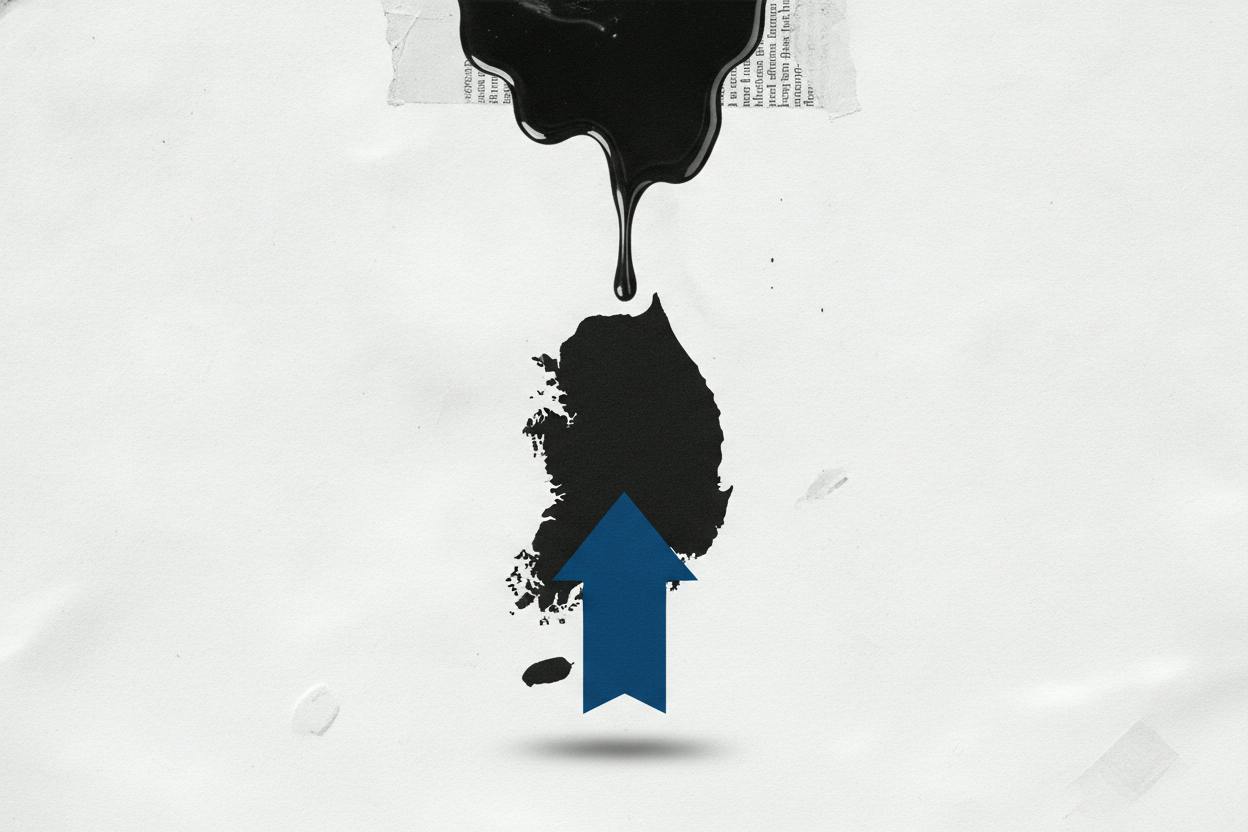
South Korean stocks closed sharply higher on Tuesday, with the benchmark KOSPI jumping 1.65% to 7,007.72, as oil prices drifted lower for a fourth straight session and Samsung Electronics climbed nearly 5% after breaking ground on a new heating, ventilation, and air conditioning (HVAC) production line.
The tech-heavy KOSDAQ also advanced, adding 1.11% to 836.27, as investors welcomed signs that tensions in the Middle East may be cooling. Crude oil hovered near $98 a barrel, down from recent highs, after renewed diplomatic chatter raised hopes of a de-escalation in the region.
Why oil matters so much for South Korea
South Korea is one of the world's largest importers of energy, relying on foreign supplies for nearly all of its oil and gas needs. That makes the country especially sensitive to swings in crude prices. When oil rises, it pushes up the cost of everything from fuel to plastics and chemicals, feeding into inflation and squeezing corporate profit margins.
So even a modest pullback in crude can brighten the outlook for the Korean economy. Lower energy costs ease pressure on the Bank of Korea to keep interest rates high, and they give businesses more room to absorb other expenses. Tuesday's move was a broad-based rally, with investors betting that a calmer Middle East could keep oil from spiking further.
The drop in oil also comes as global markets have been wrestling with higher bond yields and the prospect of tighter monetary policy. In that environment, any relief on the inflation front is seen as a positive for equities. The KOSPI's gain mirrors a broader risk-on mood that has lifted other Asian markets, including European futures pointing higher on similar diplomacy hopes.
Samsung's HVAC bet
Samsung Electronics, the heavyweight of the Korean market, was a standout performer, with its shares climbing nearly 5%. The jump came after the company broke ground on a new HVAC line, a move that signals confidence in growing demand for air conditioning and heating systems, particularly in warmer climates and as energy-efficient technologies gain traction.
HVAC is a relatively small part of Samsung's overall business, which is dominated by semiconductors and smartphones. But the investment underscores the company's push to diversify beyond its core memory-chip operations, which have been volatile amid swings in global demand. The new line could also benefit from a broader trend toward electrification and smart-home products.
For investors, Samsung's move is a reminder that the company is not just a chip play. It has a wide range of consumer and industrial businesses that can provide some stability when semiconductor cycles turn down. The stock's strong reaction also suggests that market participants are looking for any positive catalyst after a period of uncertainty around global tech demand.
What it means for everyday investors
For ordinary investors, the day's action offers a few takeaways. First, oil prices remain a key driver for markets, especially in import-heavy economies like South Korea. When crude falls, it can boost corporate earnings and consumer spending power, which is why stock markets often cheer lower energy costs.
Second, diplomacy can move markets as much as data. The recent slide in oil is tied to hopes that Middle East tensions will ease, not to a sudden increase in supply. That means the relief could be fragile—if talks break down, oil could quickly reverse course. Investors should be prepared for volatility in energy prices and the stocks that are sensitive to them.
Third, Samsung's HVAC expansion is a reminder that large conglomerates are constantly reshaping their portfolios. While the new line may not move the needle for Samsung's bottom line in the near term, it reflects a long-term strategy that could pay off as global demand for climate-control technology grows.
Looking ahead, market watchers will be keeping an eye on oil prices, any further developments in the Middle East, and upcoming economic data that could influence central bank policy. The KOSPI's rise is a positive sign, but it comes against a backdrop of rising Treasury yields and concerns about global growth. As always, diversification and a long-term perspective remain the best tools for navigating these swings.