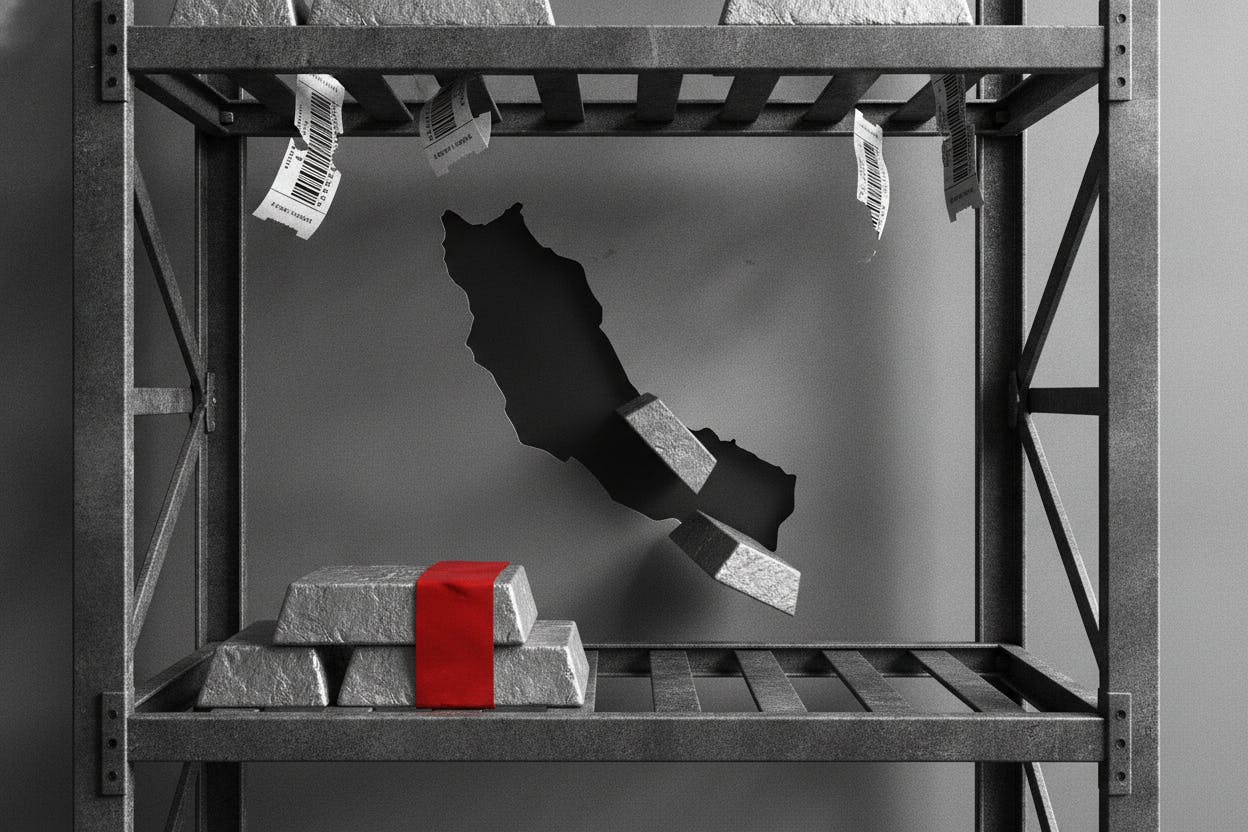
Aluminum stockpiles in London Metal Exchange (LME) warehouses have dropped to their lowest level in 27 years, a development that underscores growing supply vulnerabilities in the global metals market. Data released on July 24 showed inventories fell to 271,275 metric tons, the smallest total since records began in January 1998 and less than a single day's worth of global consumption, according to Reuters.
What's behind the inventory decline?
The sharp drop in LME aluminum stocks reflects a broader trend of tightening supply in the aluminum market. The exchange's warehouses have seen steady withdrawals over recent years as demand from industries like automotive, construction, and packaging has remained robust, while production growth has been constrained by high energy costs and environmental regulations in key producing regions such as China and Europe.
Of the total inventory, the portion considered 'on-warrant'—metal that is ready for immediate delivery—stood at 245,350 tons. However, recent LME reports indicate that a significant share of this remaining metal is of Russian origin. While Russian aluminum produced before April 13, 2024, remains eligible for delivery on the exchange, some market participants have become wary of accepting it due to geopolitical tensions and potential sanctions risks. This has created a two-tier market where a portion of the stockpile is effectively less usable for buyers seeking uncontroversial supply.
Middle East risks add to the pressure
The inventory crunch comes at a time when the Middle East, a major hub for aluminum production, is facing heightened geopolitical instability. Recent incidents, including reports of Houthi strikes on Saudi infrastructure, have raised concerns about potential disruptions to output from the region. The Middle East accounts for roughly 10% of global aluminum production, with countries like the United Arab Emirates and Bahrain being key exporters.
Any supply disruption from the region could further tighten an already strained market. The combination of low LME inventories and geopolitical risks has pushed aluminum prices higher in recent weeks, though the broader market has also been influenced by fluctuations in oil prices, which affect production costs for energy-intensive aluminum smelters.
What it means for investors
For everyday investors, the shrinking LME aluminum stockpiles signal potential upward pressure on aluminum prices in the near term. When inventories are low, even a small disruption in supply can cause prices to spike, as buyers scramble to secure metal. This could benefit companies involved in aluminum production, such as Alcoa or Rio Tinto, as well as exchange-traded funds (ETFs) that track metals prices.
However, investors should also be aware of the risks. The large proportion of Russian metal in LME warehouses means that any change in sanctions policy or buyer sentiment could quickly alter the supply picture. If more buyers refuse Russian aluminum, the effective available supply could shrink further, amplifying price volatility.
On the other hand, high aluminum prices can hurt downstream industries like automakers and construction firms, which rely on the metal as a key input. This could weigh on their profit margins and stock performance. The broader market context also matters: recent weakness in equity markets, driven by disappointing tech earnings, has shown that investors are already nervous about global growth, which could dampen demand for industrial metals.
What to watch next
Market participants will be closely monitoring LME inventory data in the coming weeks to see if the downward trend continues. Any further decline could trigger more aggressive price moves. Additionally, developments in the Middle East, particularly any escalation in conflict, will be a key risk factor. Investors should also keep an eye on oil price movements, as lower energy costs could ease production expenses for aluminum smelters, potentially offsetting some of the supply-driven price gains.
For those with exposure to commodities or related equities, the current environment underscores the importance of diversification. While low inventories can boost returns for aluminum-focused investments, the associated risks—geopolitical, regulatory, and demand-side—mean that a balanced approach is prudent.