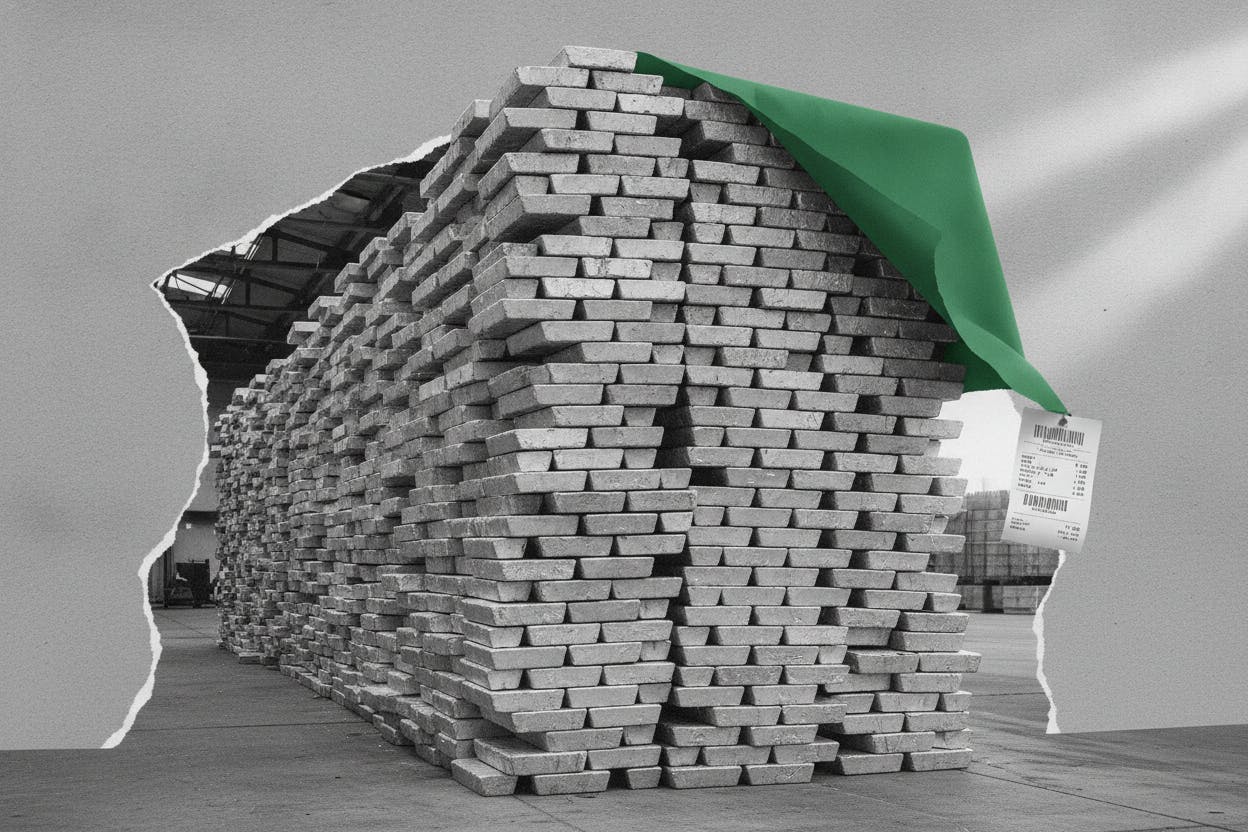
The London Metal Exchange (LME) is considering a significant shift in its warehousing rules for Hong Kong, including permitting aluminum to be stored outdoors, in an effort to make the city a more practical and cost-effective hub for LME-approved metal. The proposal comes as Hong Kong, which only became an active LME warehouse location in July 2025, has seen minimal aluminum deliveries, undermining the exchange's broader strategy to expand storage along key trade routes and strengthen ties with mainland China, the world's largest consumer of industrial metals.
Why Hong Kong's Warehouse Plan Is Stalling
Hong Kong's potential as a metals storage hub has been hampered by its notoriously tight and expensive real estate market. Indoor warehousing space is scarce and costly, making it uneconomical for traders and producers to store large quantities of aluminum there. As a result, LME-registered warehouses in Hong Kong have attracted very little metal since opening, leaving stock levels low and the exchange's ambitions unfulfilled.
The LME's goal is to create a network of storage facilities along major shipping routes that can efficiently serve the Chinese market. However, without sufficient metal actually flowing into Hong Kong warehouses, the exchange cannot provide the liquidity and delivery infrastructure that industrial users and investors rely on. The proposed rule change—allowing aluminum to be stored outdoors—would dramatically reduce storage costs and could encourage more metal to be delivered to the city.
How Outdoor Storage Could Change the Game
Aluminum is a durable, non-corrosive metal that can withstand outdoor conditions, making it a suitable candidate for open-air storage. Many LME warehouses in other parts of the world already use outdoor storage for aluminum, but Hong Kong's current rules require all metal to be kept indoors. By relaxing this requirement, the LME hopes to align Hong Kong with global practices and remove a key barrier to entry.
The move would also help address low LME stock levels globally, which have been a concern for the market. Low inventories can lead to price volatility and make it harder for industrial buyers to secure physical metal when needed. Encouraging more metal into Hong Kong warehouses could help stabilize supply and support the exchange's role as a reliable pricing benchmark.
What It Means for Investors
For everyday investors, this development is a reminder of how infrastructure and logistics can influence commodity markets. The LME's warehousing rules directly affect the availability and cost of metals like aluminum, which are used in everything from cars to construction. If the rule change succeeds in boosting Hong Kong's stock levels, it could help moderate aluminum price swings and improve market transparency.
Investors should also note that the LME's push into Hong Kong is part of a larger trend of exchanges seeking closer integration with China's economy. While this could open up new opportunities for metals traders and producers, it also introduces regulatory and geopolitical risks. The broader backdrop of tariff uncertainty and a strong dollar has already weighed on base metals, as seen in recent price slides for aluminum and copper. Any changes to warehousing rules will be closely watched for their impact on supply dynamics.
For now, the LME is floating the proposal for consultation, and market participants will have a chance to weigh in. If adopted, the new rules could make Hong Kong a more attractive destination for aluminum storage, potentially drawing metal away from other locations and reshaping trade flows in Asia.