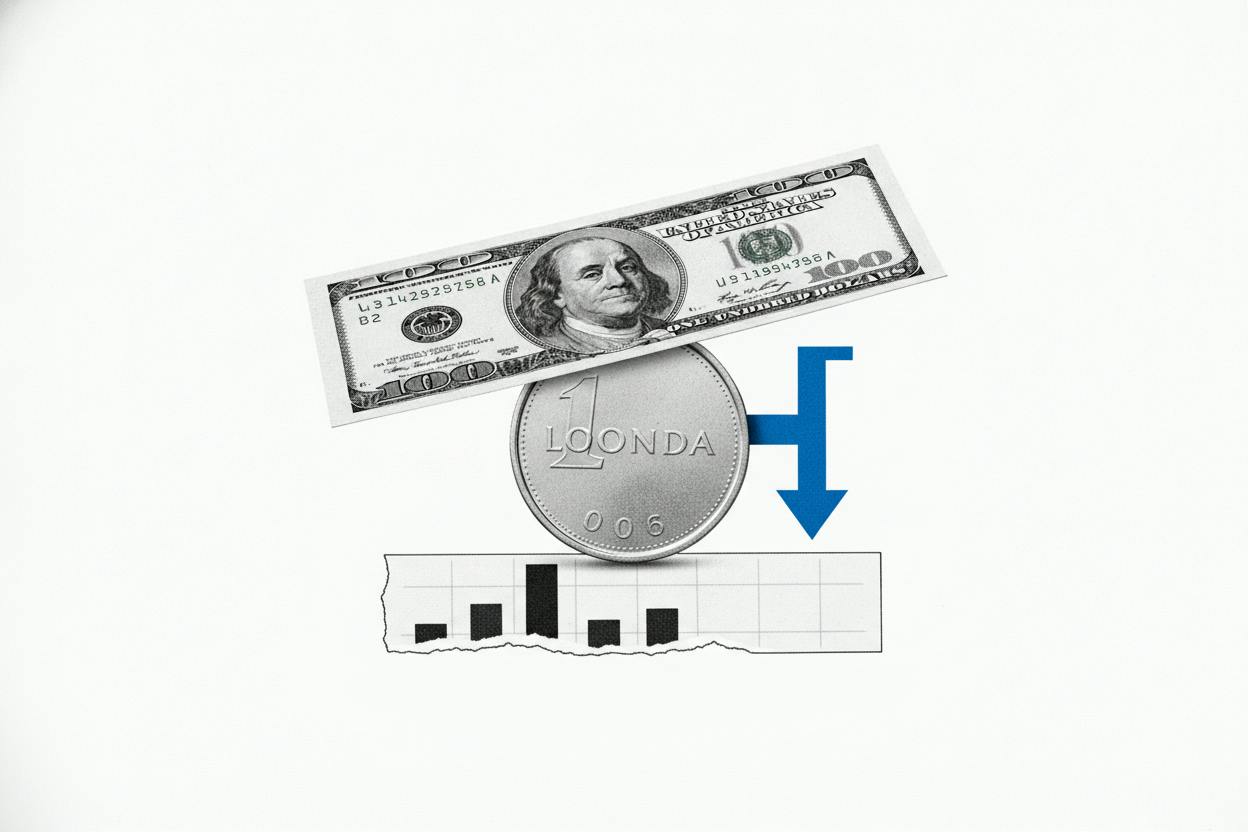
The Canadian dollar, known as the loonie, is hovering near a 19-month low, trading around 1.4332 per US dollar. Investors have turned cautious, and all eyes are on Friday's retail sales data, which could shape expectations for the Bank of Canada's next move.
The loonie's weakness is largely a reflection of the broader strength of the US dollar. As investors seek safer assets and anticipate that US interest rates will stay elevated, the greenback has been gaining ground. This dynamic puts pressure on currencies like the Canadian dollar, especially when the interest rate gap between the two countries widens. Higher US yields tend to attract capital into US assets, pulling money away from Canada and other markets.
Why Retail Sales Matter Now
Friday's retail sales report is taking on extra significance because it could influence the Bank of Canada's policy path. Economists expect September sales to have risen 0.7% month-over-month, and traders currently see about a 67% chance that the central bank will raise rates in December.
A strong retail sales number could reinforce the view that consumer demand remains too resilient for the Bank of Canada to ease off. That would likely keep the door open for another rate hike. On the other hand, a weak report could cool those expectations, potentially giving the loonie some relief and easing pressure on borrowers.
The Bank of Canada has been navigating a delicate balance. While inflation has cooled from its peaks, it remains above the central bank's target. At the same time, economic growth has slowed, and higher borrowing costs are weighing on households. The retail sales data will offer a fresh read on how consumers are holding up.
Oil's Limited Support
Oil prices, which are important for Canada because energy exports bring in US dollars, were up on the day. However, crude has come off its recent peak, meaning energy is not providing the consistent support that could offset a strong greenback. When oil prices are high, the loonie often benefits because Canada is a major oil exporter. But with oil off its highs, that support is less reliable.
The combination of a strong US dollar and softer oil prices has left the loonie vulnerable. Currency markets are also watching the interest rate differential between the US and Canada. If the Federal Reserve keeps rates higher for longer while the Bank of Canada hesitates, the gap could widen further, putting more downward pressure on the loonie.
What It Means for Your Money
For everyday Canadians, a weak loonie has direct consequences. When the Canadian dollar trades around 1.4332 per US dollar, anything tied to the US dollar becomes more expensive in Canadian-dollar terms. That includes US travel, online subscriptions billed in US dollars, and many imported goods. Over time, higher import costs can feed into inflation through what economists call "exchange-rate pass-through."
If this pressure persists, the Bank of Canada may have less room to cut rates, even if economic growth cools. That could translate into borrowing costs staying higher for longer, which is especially relevant for Canadians renewing mortgages or carrying variable-rate debt. For those with US-dollar expenses, the weak loonie means budgeting for higher costs.
Investors should also consider the broader market context. The US dollar's strength has been a recurring theme, affecting not just the loonie but also other currencies and assets. As risk appetite fades, the dollar tends to gain, pressuring emerging markets and commodities. This dynamic is also visible in gold prices, which have hit multi-month lows due to dollar strength and rate hike bets.
For Canadian investors, the weak loonie can also affect portfolio returns. US stocks and other foreign assets may deliver higher returns in Canadian-dollar terms when the loonie is weak, but they also carry currency risk. Diversification remains a key strategy, but it's important to understand how currency movements can impact your investments.
Looking ahead, the retail sales report will be a key catalyst. If the data surprises to the upside, it could reinforce the case for another Bank of Canada rate hike, which might provide some support for the loonie. If it disappoints, the loonie could weaken further as rate cut expectations build. Either way, the currency's direction will have ripple effects for consumers, businesses, and investors.
As always, it's wise to keep an eye on the broader economic backdrop. The Bank of Canada's decisions are not made in isolation, and global factors, including US monetary policy and oil prices, will continue to play a significant role in shaping the loonie's path.