Malaysia's benchmark stock index, the FTSE Bursa Malaysia KLCI, rose 0.3% on Tuesday, breaking a three-day losing streak. The modest gain came as investors welcomed signs of progress in talks between the United States and Iran, which helped improve risk appetite across global markets.
The positive move in Kuala Lumpur echoed a broader uptick in regional sentiment. Reports of diplomatic discussions between Washington and Tehran have raised hopes for a potential easing of geopolitical tensions in the Middle East, a region that has kept energy markets on edge for months.
Fuel Subsidy Warning Casts Shadow
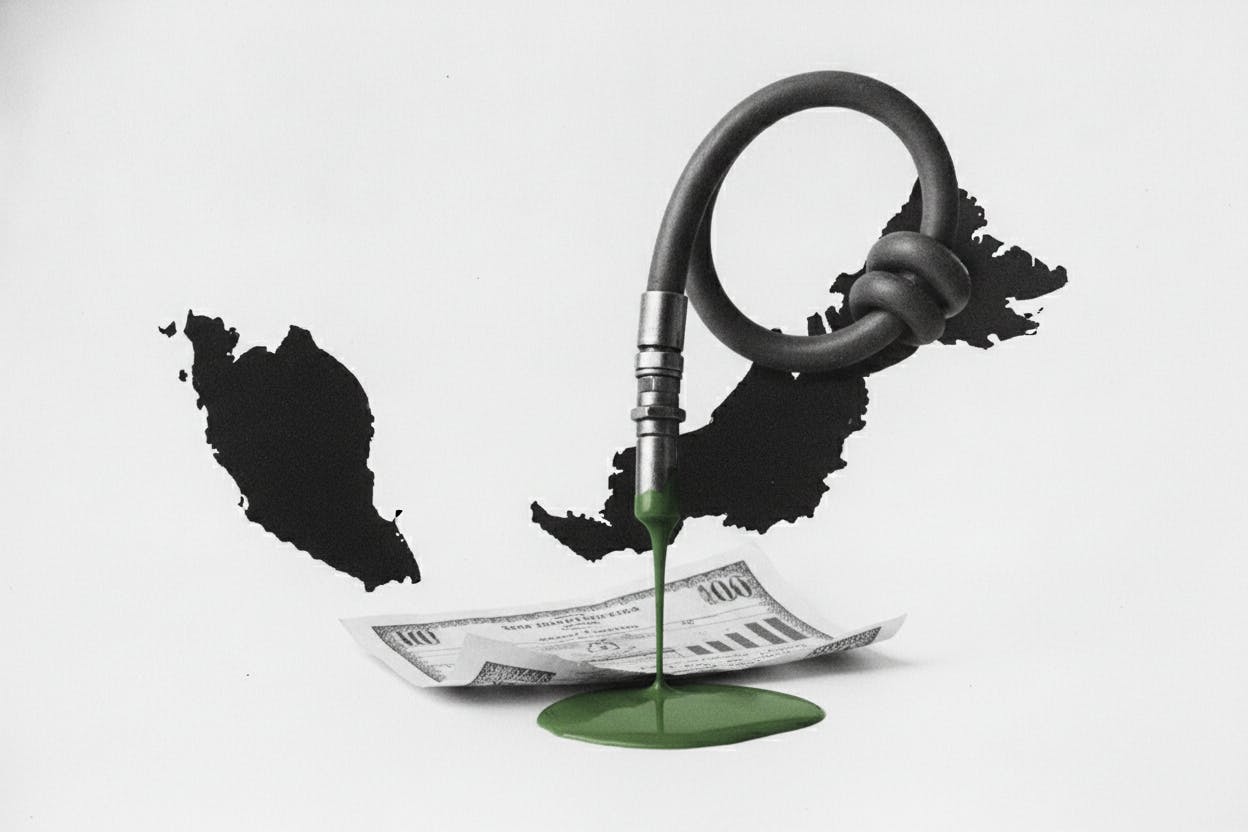
While the stock market found some relief, a stark warning from Malaysia's Prime Minister Anwar Ibrahim reminded investors of the fiscal pressures facing the government. Anwar said that if global energy prices remain high, the country's fuel subsidy bill could reach 40 billion ringgit (approximately $8.5 billion).
That figure would represent a significant strain on Malaysia's budget. Fuel subsidies are a politically sensitive issue in Malaysia, where the government has long used them to keep petrol and diesel affordable for households and businesses. But the cost of these subsidies has surged as crude oil prices have climbed, partly due to supply concerns linked to the Iran situation and other geopolitical factors.
Anwar's government has already taken steps to reform the subsidy system, including plans to phase out blanket subsidies and target them more narrowly at lower-income groups. However, implementing such changes is a delicate balancing act, especially with an eye on public sentiment and the cost of living.
What It Means for Investors
For everyday investors, the KLCI's bounce-back is a reminder that short-term market moves are often driven by headlines and sentiment. The index had fallen for three consecutive sessions before Tuesday's uptick, so the gain is relatively small and does not necessarily signal a sustained turnaround.
The bigger story for Malaysia-focused investors may be the subsidy warning. A 40 billion ringgit subsidy bill would eat into government revenue and could limit spending on other areas, such as infrastructure or social programs. It might also increase pressure on the central bank to keep interest rates steady or even raise them to manage inflation, which could affect borrowing costs for companies and consumers.
Investors should also keep an eye on energy prices. Malaysia is both a net oil exporter and a significant consumer of imported fuel, so the impact of high crude prices is mixed. Oil producers benefit from higher revenues, but the broader economy feels the pinch through higher costs for transport and manufacturing.
For context, the KLCI's performance is also influenced by global factors. The recent dip in Brent crude prices following the US-Iran talks helped ease some concerns about inflation and corporate costs, which supported equities. Similarly, European stocks rose on the same day, with healthcare and banking sectors leading gains as oil prices fell.
Broader Market Context
The KLCI's move also comes amid a mixed picture for Malaysian assets. Earlier this week, Malaysian palm oil futures dropped over 1% as output rose and exports lagged, highlighting the commodity-specific risks that can affect the country's export earnings.
Meanwhile, the ringgit has been under pressure against the US dollar, partly due to interest rate differentials and global risk appetite. A weaker currency can help exporters but makes imports more expensive, adding to inflationary pressures.
Looking ahead, investors will be watching for further developments in US-Iran talks, as any breakthrough could lead to lower oil prices and reduced geopolitical risk. That would be positive for Malaysia's economy and stock market, but the subsidy issue remains a domestic wild card.
As always, market movements like Tuesday's 0.3% gain are part of the normal ebb and flow. For long-term investors, the key is to focus on fundamentals—company earnings, economic growth, and policy direction—rather than reacting to every headline.