Oil prices slid on Wednesday after Qatar reported that indirect talks between the United States and Iran in Doha had made “positive progress,” reducing the perceived risk of a disruption to shipments through the strategic Strait of Hormuz. Brent crude, the global benchmark, fell 1.1% to $70.78 a barrel by 06:42 GMT, while US West Texas Intermediate (WTI) dropped 1.2% to $67.74.
Geopolitical Risk Premium Shrinks
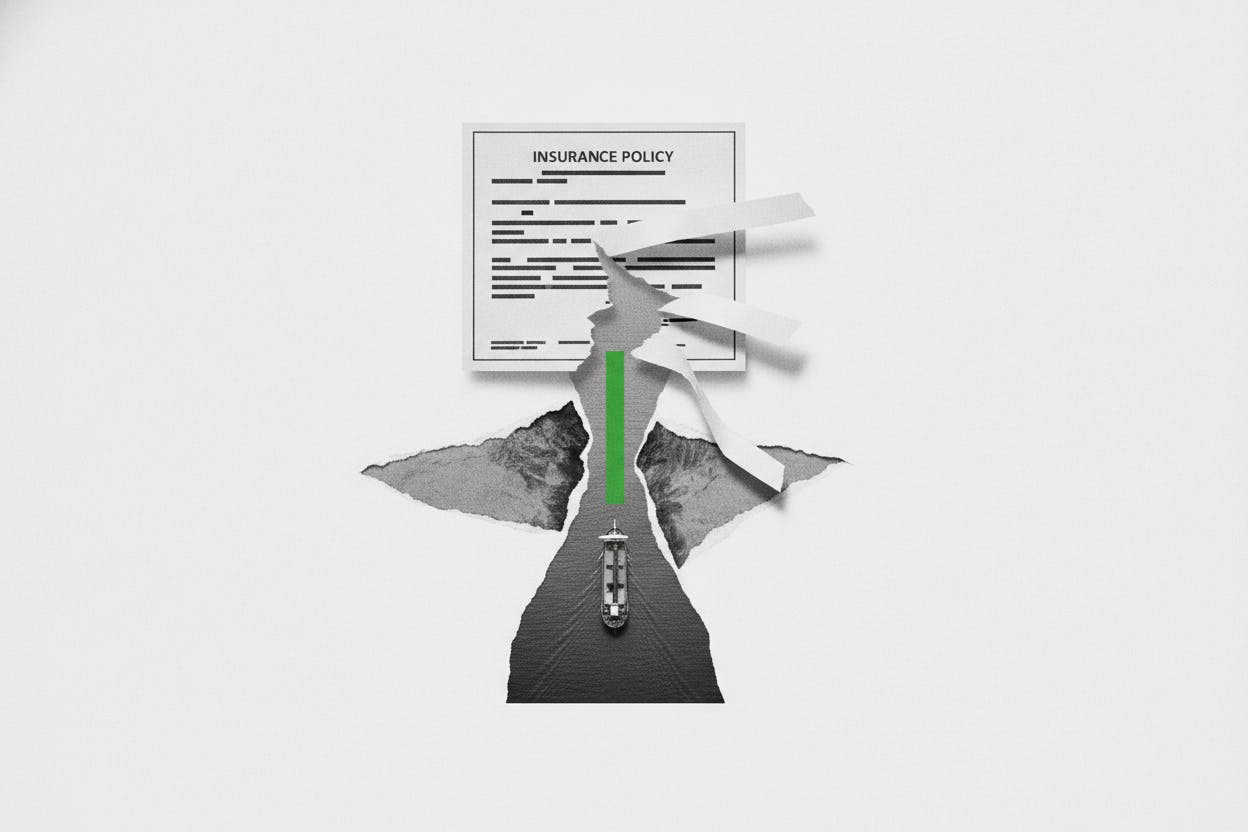
Crude oil prices often include what traders call a “geopolitical risk premium” — an extra cost built into the price when markets fear that a key shipping route could be blocked or that supply from a major producer could be disrupted. The Strait of Hormuz, a narrow waterway between Iran and Oman, is one of the world’s most critical oil chokepoints. Roughly one-fifth of global oil consumption passes through it daily, making any threat to its security a major concern for energy markets.
When Qatar announced that negotiators had made “positive progress” in the indirect talks, it signaled to traders that the immediate risk of a confrontation that could close the strait had diminished. As a result, the geopolitical risk premium was quickly priced out, pushing oil prices lower. Haitong Futures, a Chinese derivatives firm, noted that the market is now focusing on the possibility of a diplomatic resolution rather than a military escalation.
Broader Market Context
The drop in oil prices comes amid a broader trend of declining crude values. Earlier this week, oil hit four-month lows as the same talks began to ease Strait of Hormuz fears. The sustained decline reflects not only geopolitical developments but also concerns about global demand. Economic data from major consumers like China and the US has been mixed, with some indicators pointing to slower industrial activity and reduced fuel consumption.
For emerging markets that import oil, lower crude prices are generally a positive development. For example, the Indian rupee gained briefly as Brent dipped below $71, though traders remain cautious about downside risks. Similarly, Indian stocks were poised for a higher open as the same talks drove crude lower, reducing import costs for the world’s third-largest oil consumer.
What It Means for Investors
For everyday investors, the decline in oil prices has several implications. First, lower crude costs can translate into cheaper gasoline and heating oil, putting more money back into consumers’ pockets. Second, it can reduce input costs for companies that rely heavily on energy, such as airlines, shipping firms, and manufacturers. However, it can also hurt the profits of energy companies and oil-producing nations.
Investors should watch for further developments in US-Iran relations. If talks continue to progress, the risk premium could shrink further, potentially pushing Brent below the $70 mark. Conversely, if negotiations stall or break down, prices could rebound sharply as the threat of a Strait of Hormuz disruption returns. The situation remains fluid, and markets will be closely monitoring any statements from Doha or Washington.
Beyond geopolitics, the broader economic backdrop will also influence oil’s direction. Central bank policies, particularly the US Federal Reserve’s stance on interest rates, affect the dollar’s strength and, by extension, oil prices. A weaker dollar makes crude cheaper for holders of other currencies, often boosting demand. Meanwhile, the upcoming US jobs report could provide clues about economic health and energy demand.
Looking Ahead
The next few days will be crucial for oil markets. Traders will parse any new details from the Doha talks and watch for signs of a potential agreement. In the meantime, the South African rand held near 16.37 per dollar as the talks and factory sentiment weighed on emerging market currencies. The interplay between geopolitics, demand, and currency markets will continue to shape oil’s trajectory.
For now, the message from the market is clear: peace talks are pushing oil lower, but the path ahead remains uncertain. Investors should stay informed and avoid making hasty decisions based on short-term price moves.