Marathon Petroleum, one of the largest independent oil refiners in the United States, reported a stunning jump in second-quarter profit. Net income quadrupled to $5.14 billion, the company's best quarter in four years, as disruptions around the Strait of Hormuz—a critical shipping lane for global oil—helped push its refining and marketing margin to $36.33 per barrel.
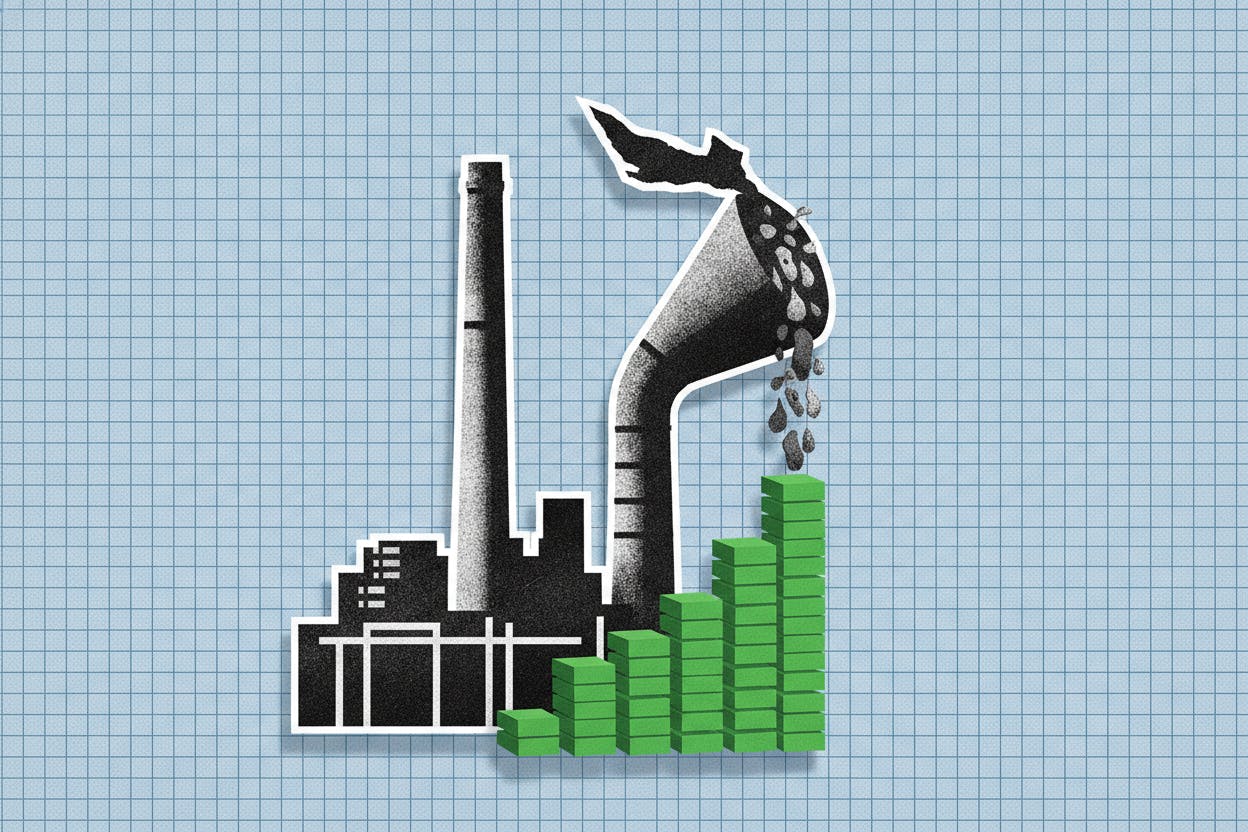
The results underscore a simple but powerful truth about the refining business: refiners don't make money from the price of oil itself, but from the difference between what they pay for crude and what they can charge for the fuels they produce, like gasoline, diesel, and jet fuel. When that gap widens, profits can surge even if the refiner processes slightly less oil.
Why the Strait of Hormuz matters
The Strait of Hormuz, a narrow waterway between the Persian Gulf and the Gulf of Oman, is a chokepoint for about 20% of global oil consumption. Any threat of disruption—whether from military conflict, sabotage, or political tension—can send shivers through energy markets. In the second quarter, concerns about supply disruptions in the region tightened global fuel supplies, giving refiners like Marathon more pricing power.
Reuters, which first reported the link, noted that the supply disruptions were a key driver of the margin expansion. When fuel supplies are tight, refiners can charge more for their products, and their margins—the spread between crude costs and product prices—widen.
Marathon's margin of $36.33 per barrel is exceptionally high. For context, refining margins typically hover in the teens or low twenties in normal times. A margin above $30 is considered a windfall, and it shows just how much chaos in the Middle East can benefit companies that turn crude into usable fuel.
Running slightly less, earning much more
Interestingly, Marathon didn't have to run its plants harder to achieve these results. The company operated at about 94% utilization, processing 2.9 million barrels of crude per day. That's slightly less than a year earlier, when it ran at higher rates. But because margins were so much wider, the company captured far more profit from each barrel it processed.
This is a classic example of how refiners' earnings can be more volatile than those of oil producers. While producers benefit from higher oil prices, refiners can actually suffer when crude prices rise too quickly, because their input costs go up faster than fuel prices. Conversely, when supply disruptions push fuel prices up faster than crude, refiners reap the rewards.
The quarter also highlights the importance of the refining and marketing segment, which includes not just the refineries but also the pipelines and retail stations that move and sell the finished products. This segment is often the swing factor in a refiner's earnings, and it was clearly the star of the show this quarter.
What it means for investors
For everyday investors, Marathon's results are a reminder that energy stocks can be highly cyclical and sensitive to geopolitical events. A company like Marathon can see its profits swing dramatically from quarter to quarter based on factors that are largely outside its control—like tensions in the Middle East.
Investors who own Marathon or similar refiners should be prepared for volatility. The same disruptions that boosted margins this quarter could reverse if tensions ease or if global fuel demand weakens. Conversely, if disruptions escalate, margins could stay elevated for a while longer.
It's also worth noting that Marathon's results are part of a broader trend. Other refiners, like Chevron and Imperial Oil, have also reported strong refining results recently, as the same supply dynamics have lifted margins across the industry. This suggests that the boost isn't unique to Marathon but is a sector-wide phenomenon.
However, investors should be cautious about extrapolating these results into the future. Refining margins are notoriously mean-reverting. When they're high, refiners tend to increase production, and new supply eventually brings margins back down. The current environment, while profitable, may not last.
For those watching the energy sector, the key metric to track is the refining margin—the spread between crude and fuel prices. If that spread narrows, expect refiners' profits to follow. If it widens further, more record quarters could be on the way.
In the meantime, Marathon's quarter is a powerful illustration of how global events can ripple through the economy and into the pockets of investors. It's also a reminder that in the energy business, sometimes the best profits come from chaos.