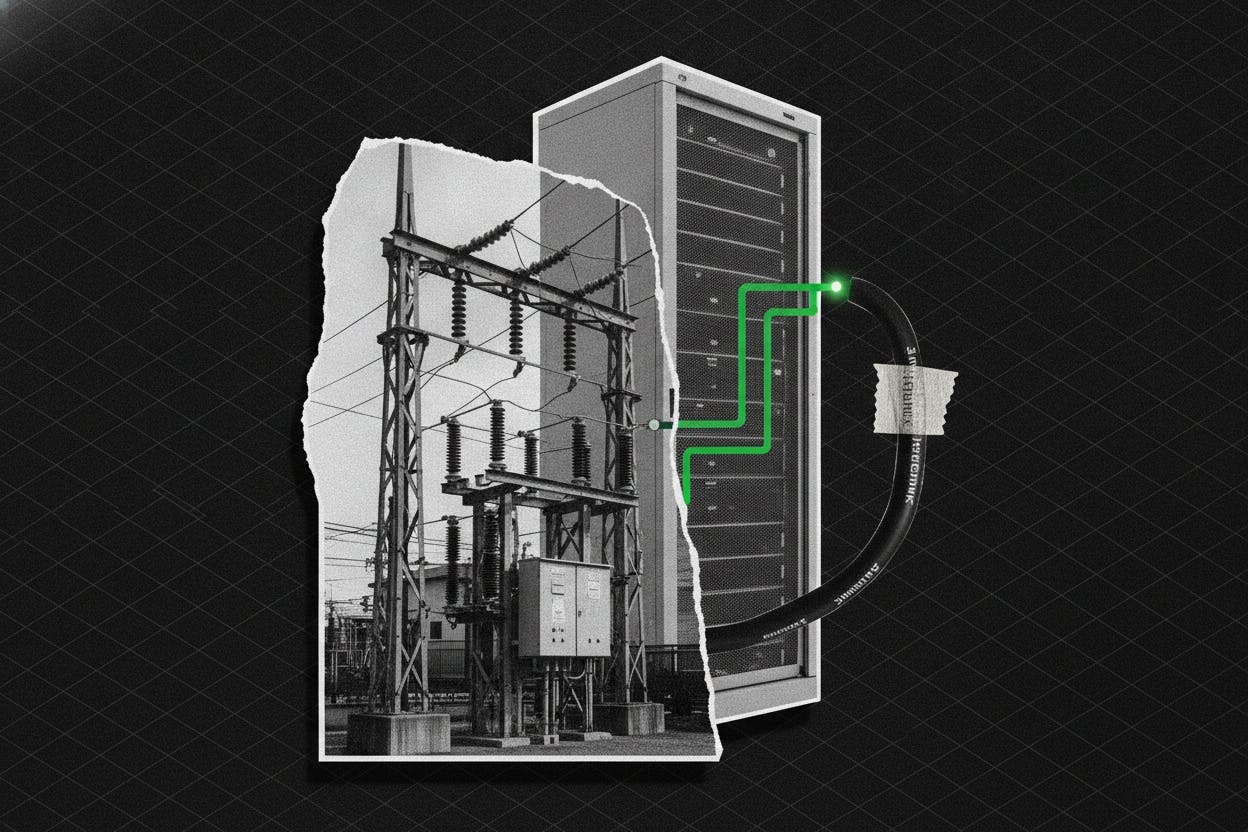
Marimaca Copper has taken a significant step forward for its Marimaca oxide project in Chile, securing approval to connect to the El Lince Line, a grid link that will supply electricity to the site. The sign-off, highlighted by Australian brokerage Euroz Hartleys, moves the company from planning into the infrastructure phase, a critical milestone for any pre-production miner.
The approval also supports a power-purchase agreement (PPA) framework that aligns with the project's definitive feasibility study, which assumes electricity costs of $93 per megawatt-hour for 100% renewable supply from Chile's national grid. But the more notable detail is contractual: the framework avoids "take-or-pay" clauses during the ramp-up period.
What is take-or-pay and why does it matter?
In many industrial contracts, take-or-pay means a buyer must pay for a minimum amount of a resource—whether or not they actually use it. For a mine under construction, that can be a heavy burden. During commissioning, when the plant is still being tested and production is climbing, the company may not need all the power it has contracted. Under a take-or-pay deal, it would still foot the bill for that unused electricity.
Marimaca's framework avoids that trap. By making power costs more usage-based during the riskiest phase of a mine's life, the company reduces the chance of burning cash on electricity it can't yet use. This flexibility can be a lifeline when delays occur, as they often do in mining projects.
For investors, this is about more than just the headline price per megawatt-hour. A $93 per megawatt-hour deal is only half the story if the ramp-up is flexible. The real win is lowering the penalty for being late, which can make the path to first production feel more predictable.
Why power matters for miners
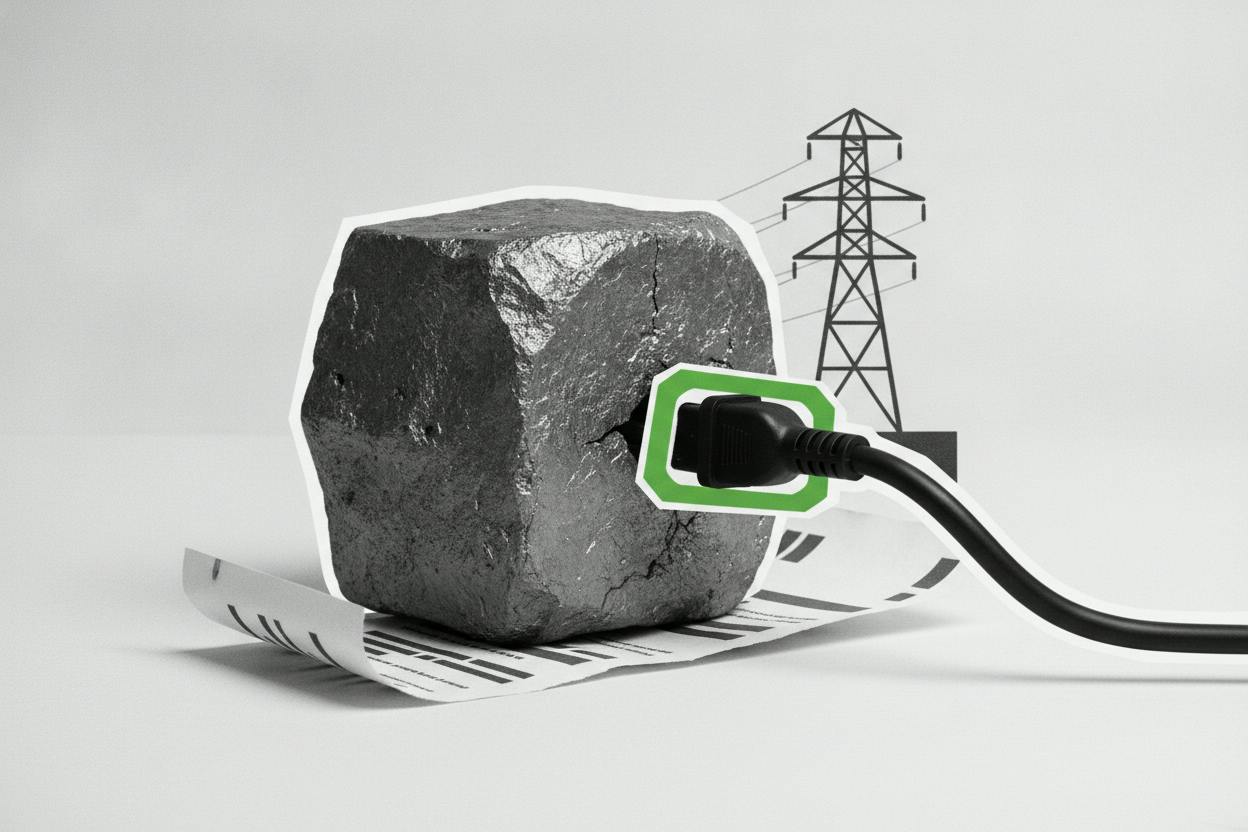
Electricity is a major input cost for copper mining, especially for oxide projects that use processes like heap leaching, which require significant energy. Securing reliable, affordable power is a key part of de-risking a project. In Chile, where the national grid is increasingly powered by renewables, miners can lock in long-term contracts that hedge against volatile fossil fuel prices.
This development comes amid broader interest in copper and power. As copper prices steady after supply shocks in Chile, the focus on project execution is sharpening. Similarly, the global push for electrification is driving demand for copper, while supply worries and demand doubts cap gains in the metal. For Marimaca, securing a key piece of infrastructure is a positive signal in a sector where delays are common.
What it means for investors
For pre-production miners, investors often apply a "development-risk" discount because budgets and timelines tend to break during commissioning. A grid approval plus a ramp-up period without take-or-pay reduces one common source of early cash drain: paying for unused electricity when output is still climbing.
This can narrow the gap between how markets value Marimaca and peers whose power supply, pricing, or contract terms are still uncertain. It also signals that the company is methodically checking off the boxes needed to move toward construction and eventual production.
While the $93 per megawatt-hour price is in line with expectations, the flexibility is the differentiator. In the riskiest phase of a mine's life, when delays can burn cash and spook lenders, having a power deal that adapts to actual usage is a quiet but meaningful advantage.
Investors will be watching for the next milestones, such as final permits, financing arrangements, and any updates to the project timeline. For now, the grid connection approval is a step that reduces one more uncertainty in a long and capital-intensive process.