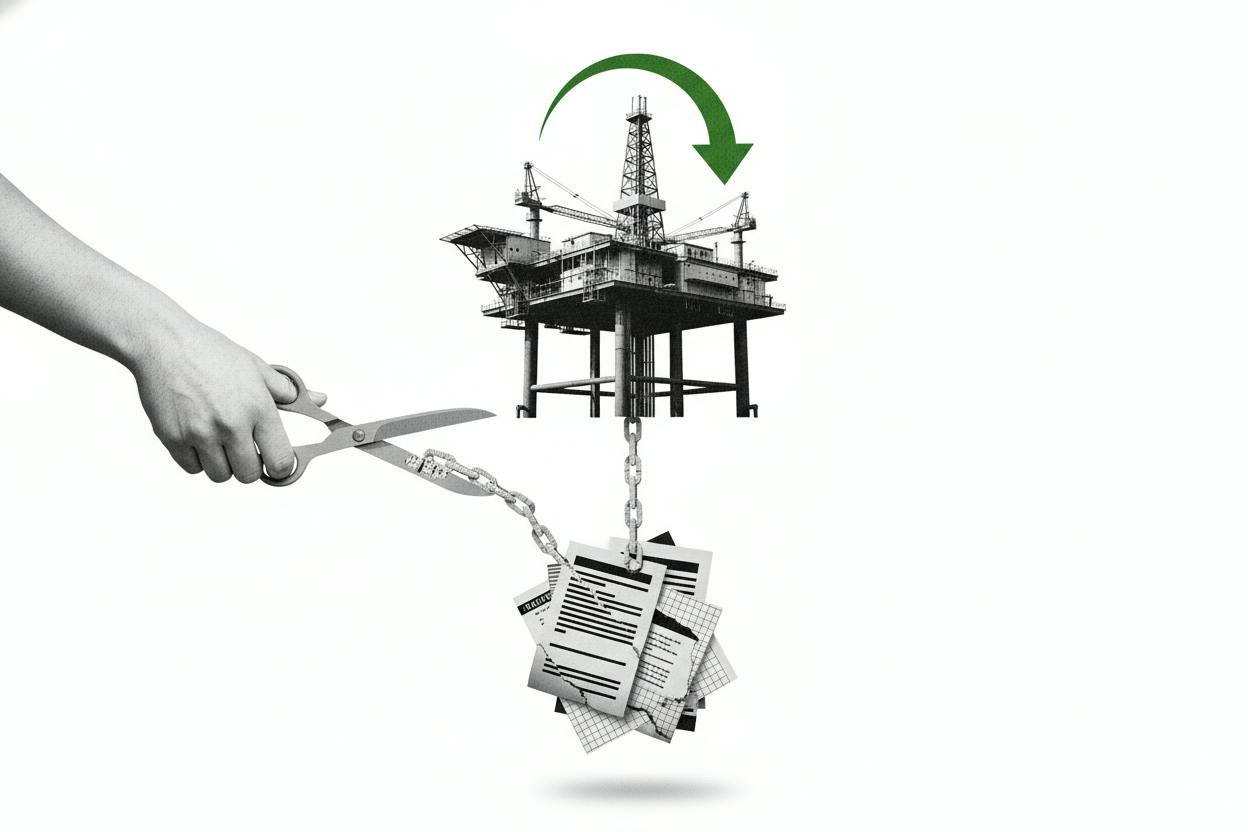
Suncor Energy has agreed to sell its stakes in three offshore oil projects off the coast of eastern Canada to Ithaca Energy, a London-based producer, for C$1.2 billion in upfront cash. The deal also includes a potential additional payment of up to C$350 million, depending on future oil prices. Alongside the sale, Suncor announced it will increase its monthly share buyback program to C$750 million starting in October.
The transaction covers Suncor's 48% interest in the Terra Nova field, 40% in White Rose, and 38.6% in West White Rose. These are mature assets that have been producing for decades, but they come with significant future costs. Ithaca will assume responsibility for a C$500 million regulatory well-compliance program at Terra Nova, set to begin in 2027, as well as estimated cleanup, abandonment, and lease liabilities totaling C$1.4 billion.
Why Suncor is selling
For Suncor, the sale is part of a broader strategy under CEO Rich Kruger to simplify the company's portfolio and focus on assets with clearer, more controllable returns. By offloading these offshore stakes, Suncor is shedding some of its most unpredictable cost obligations. Offshore decommissioning and regulatory compliance can be notoriously difficult to forecast, often running over budget and arriving in unexpected bursts years after the oil has been sold.
The company will retain its interests in the Hebron and Hibernia fields, which are considered more central to its long-term plans. The sale aligns with Suncor's push to return more cash to shareholders, as evidenced by the increased buyback pace.
What it means for Ithaca
For Ithaca Energy, this marks its first move outside its core operating areas. The company gains long-life production assets that it argues will generate near-term cash flow once the deal closes. While Ithaca is taking on significant liabilities, it is betting that the steady production and cash generation from these fields will outweigh the future costs.
The deal is expected to close in early 2027, giving both companies time to complete regulatory approvals and transition arrangements.
What it means for investors
For Suncor shareholders, the sale is a way to reduce the risk of surprise cash calls. Investors often discount a company's free cash flow when it carries large end-of-life obligations that are hard to predict. By shifting an estimated C$1.4 billion of abandonment and lease liabilities—plus the C$500 million compliance program—Suncor is making its future cash generation look more consistent and reliable.
That cleaner cash profile can then be directed toward dividends and buybacks. With the monthly buyback rising to C$750 million, Suncor is signaling confidence in its ability to generate steady cash flow. As the share count shrinks, per-share earnings and dividends could get a boost, especially if the market believes the offshore liabilities are truly off the books.
For Ithaca, the deal is a significant expansion, but it comes with risks. The company is taking on assets that Suncor chose to exit, and the future costs could weigh on returns if oil prices weaken or if the compliance program runs over budget. Investors will be watching how Ithaca manages these liabilities and whether the expected cash generation materializes.
Broader context
The deal is part of a wider trend in the energy sector, where companies are increasingly looking to streamline portfolios and focus on higher-return projects. Similar moves have been seen across the industry, such as Glencore raising its trading profit target and AkzoNobel selling its Southeast Asia paints unit. These transactions reflect a broader push by companies to shed non-core assets and sharpen their focus.
For everyday investors, this deal underscores the importance of understanding a company's liabilities, not just its revenue. Offshore oil projects can be cash cows, but they also carry significant end-of-life costs that can eat into returns. By selling these stakes, Suncor is betting that its remaining portfolio will deliver more predictable cash flow, which could translate into higher shareholder returns over time.
As the deal moves toward closing, investors will be watching for any regulatory hurdles and for updates on oil prices, which will determine the size of the potential additional payment. The increased buyback program is also a signal that Suncor is confident in its ability to generate cash, even as it reshapes its asset base.