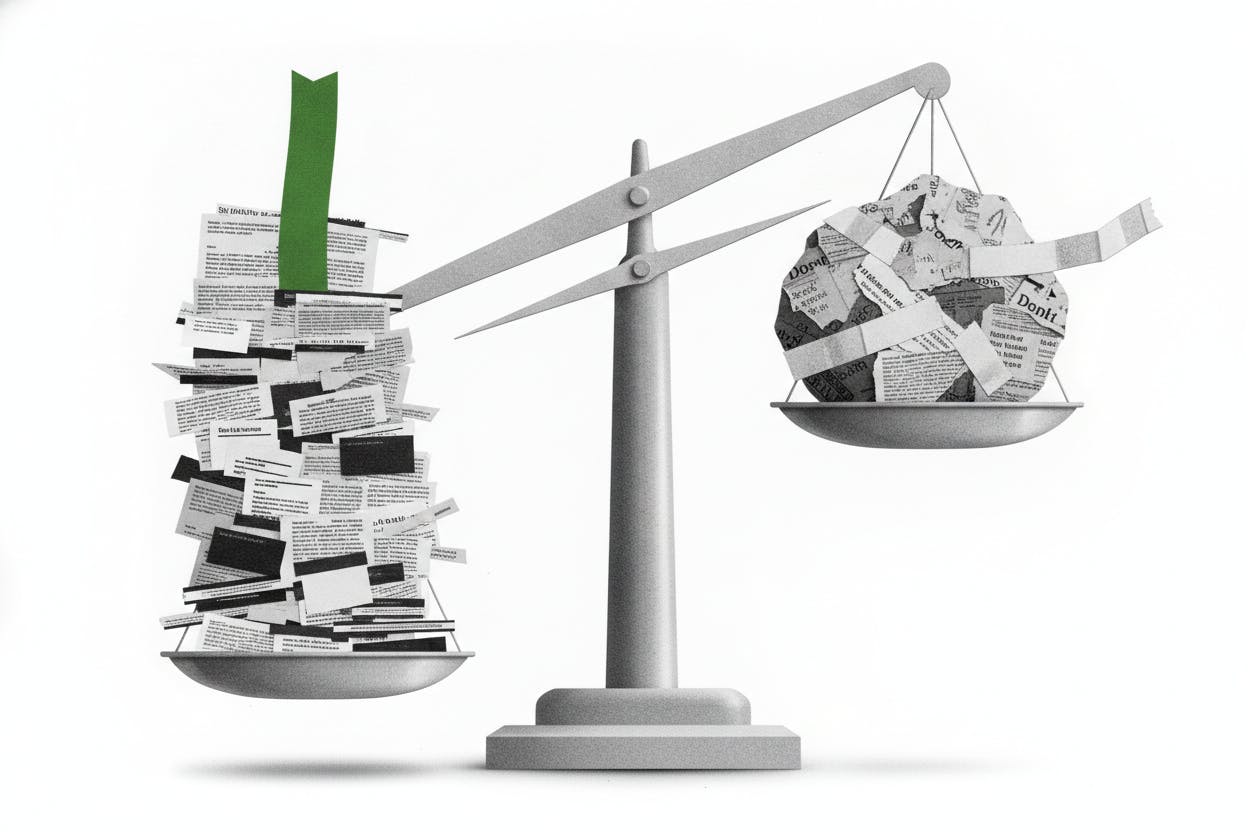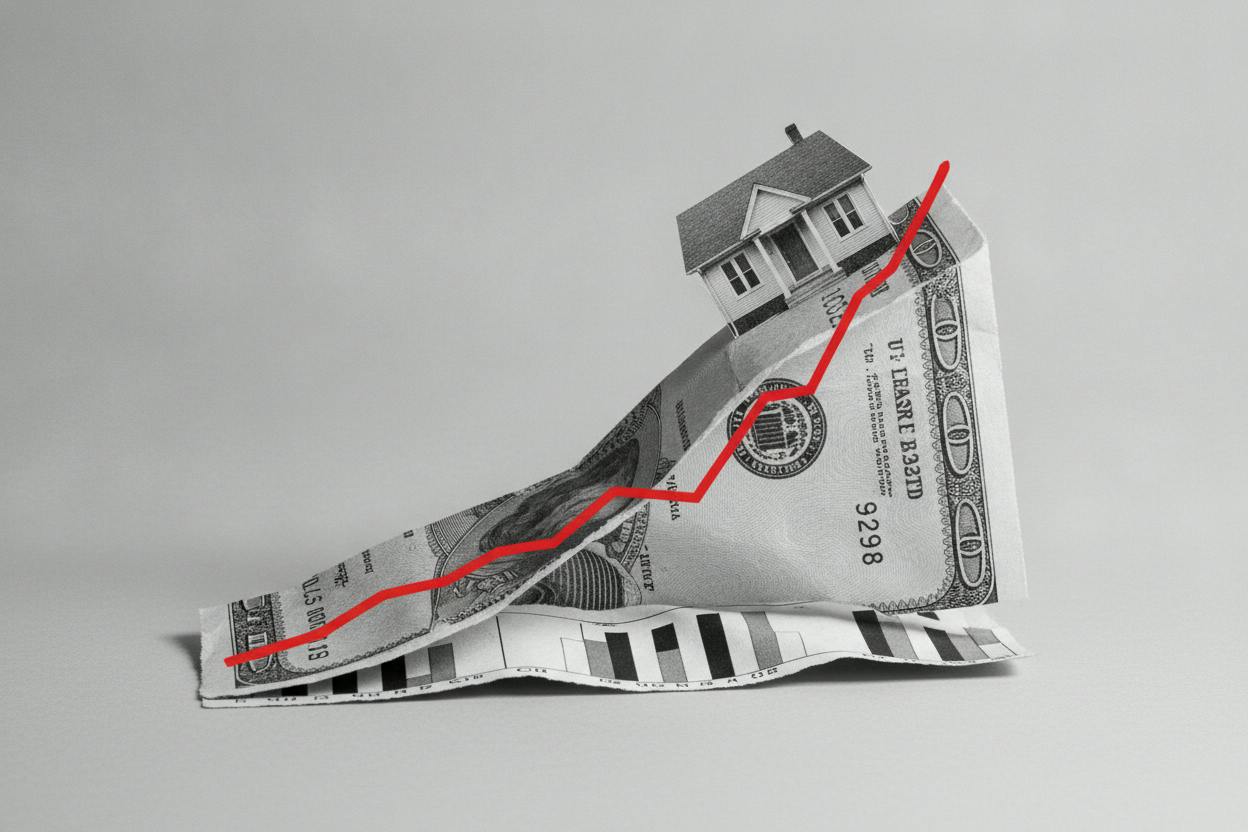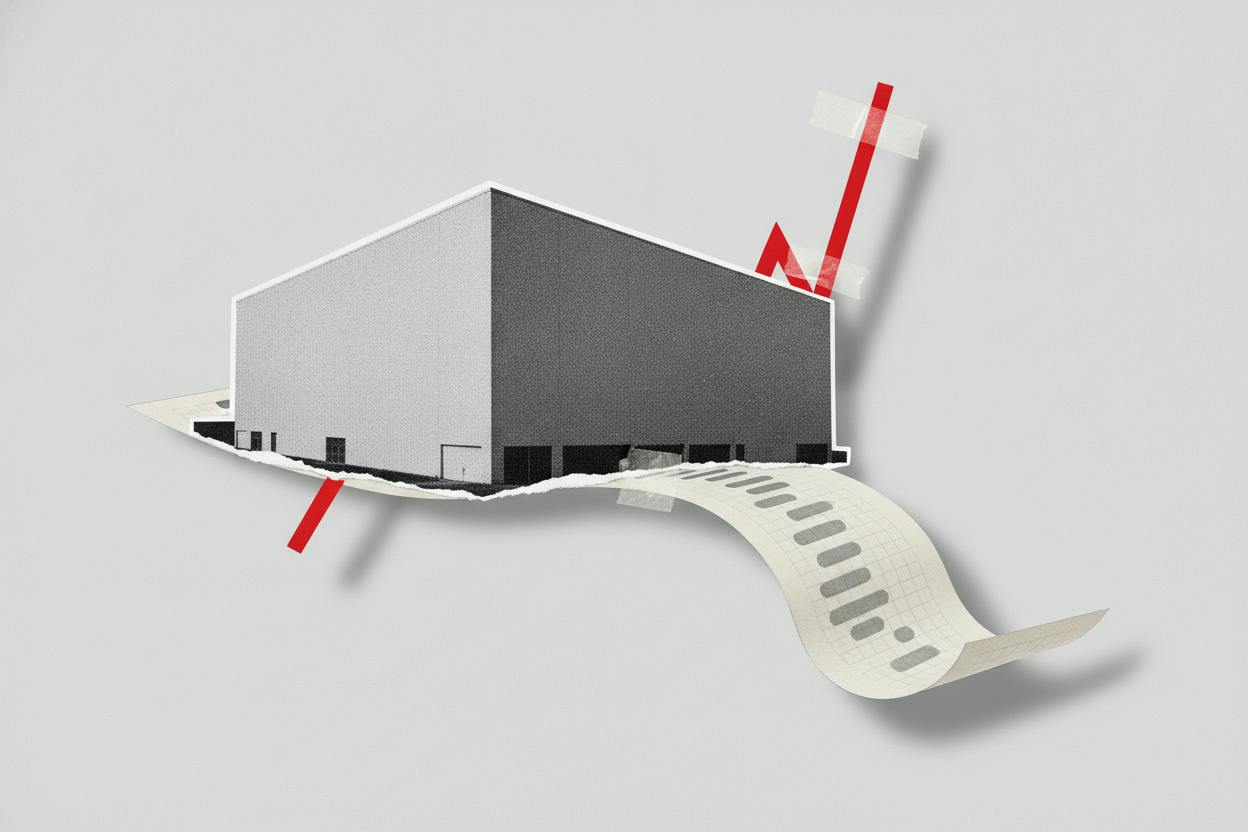
Meta Platforms' unusual bond deal, nicknamed “Beignet,” is showing signs of strain. The 2049 notes, issued through a project vehicle to help finance the company's massive Hyperion AI data center in Louisiana, have fallen to around 91 cents on the dollar. That means investors buying them now would get a discount, but it also reflects rising worry about the creditworthiness of Big Tech borrowers.
The slide comes as credit default swaps (CDS) on major technology companies hit record levels. CDS are essentially insurance policies against a borrower defaulting; when their cost rises, it signals that investors see more risk. For everyday investors, this is a useful barometer of market sentiment toward the sector.
What are Beignet bonds?
Beignet bonds are not your typical corporate debt. They were issued by “Beignet Investor,” a joint-venture entity created specifically for the Hyperion project. Meta owns only a minority stake in this vehicle, which allows the debt to stay off Meta's main balance sheet. This structure is part of a broader trend where tech giants use off-balance-sheet financing to fund huge infrastructure projects without directly adding to their reported debt.
Hyperion is a colossal data-center project, and its price tag is enormous. To cover part of the cost, Beignet Investor issued $27 billion in senior secured notes last year. These notes are backed by the project's assets, meaning if the venture fails, bondholders have a claim on those assets before other creditors.
This kind of financing is becoming more common in the AI boom. Companies like CoreWeave have raised billions in convertible notes to fund AI cloud expansion, and other firms are tapping bond markets for similar reasons. The appeal is clear: it lets companies access large sums without immediately inflating their balance-sheet debt ratios.
Why are the bonds falling?
The drop to 91 cents on the dollar is significant. For context, a bond trading below par (100 cents) means investors are demanding a higher yield to compensate for perceived risk. The 2049 maturity is extremely long—25 years from now—so these bonds are sensitive to interest rate changes and long-term economic uncertainty.
Rising CDS costs across Big Tech suggest that investors are becoming more cautious about the sector's ability to service its debt, especially as AI spending continues to balloon. While Meta itself remains highly profitable, the off-balance-sheet structure means these bonds carry project-specific risk. If Hyperion underperforms or faces cost overruns, the bonds could suffer.
This is not an isolated event. Bond markets globally have been wobbling as Treasury yields climb, and oil price spikes have added to inflation worries. Higher yields make existing bonds less attractive, pushing their prices down.
What it means for investors
For the average investor, the Beignet bond slide is a reminder that not all debt is created equal. Even a tech giant like Meta can use structures that shift risk to bondholders. If you hold bond funds or ETFs that include such securities, it's worth understanding the underlying credit quality.
The record CDS levels on Big Tech also signal that the market is pricing in more risk, which could eventually affect stock valuations. When borrowing costs rise, companies may have less cash for buybacks or dividends, and growth projects become more expensive to fund.
That said, this is not a sign that Meta is in trouble. The company's core business remains strong, and the off-balance-sheet structure is a deliberate financial strategy, not a distress signal. But it does highlight the growing complexity of how tech giants finance their AI ambitions.
Investors should watch how these bonds trade in the coming months. If they stabilize, it may indicate that the market is comfortable with the risk. If they keep falling, it could be an early warning for the broader tech credit market.
For now, the Beignet bonds are a fascinating case study in modern corporate finance—and a reminder that even the most innovative companies rely on traditional debt markets, with all their ups and downs.