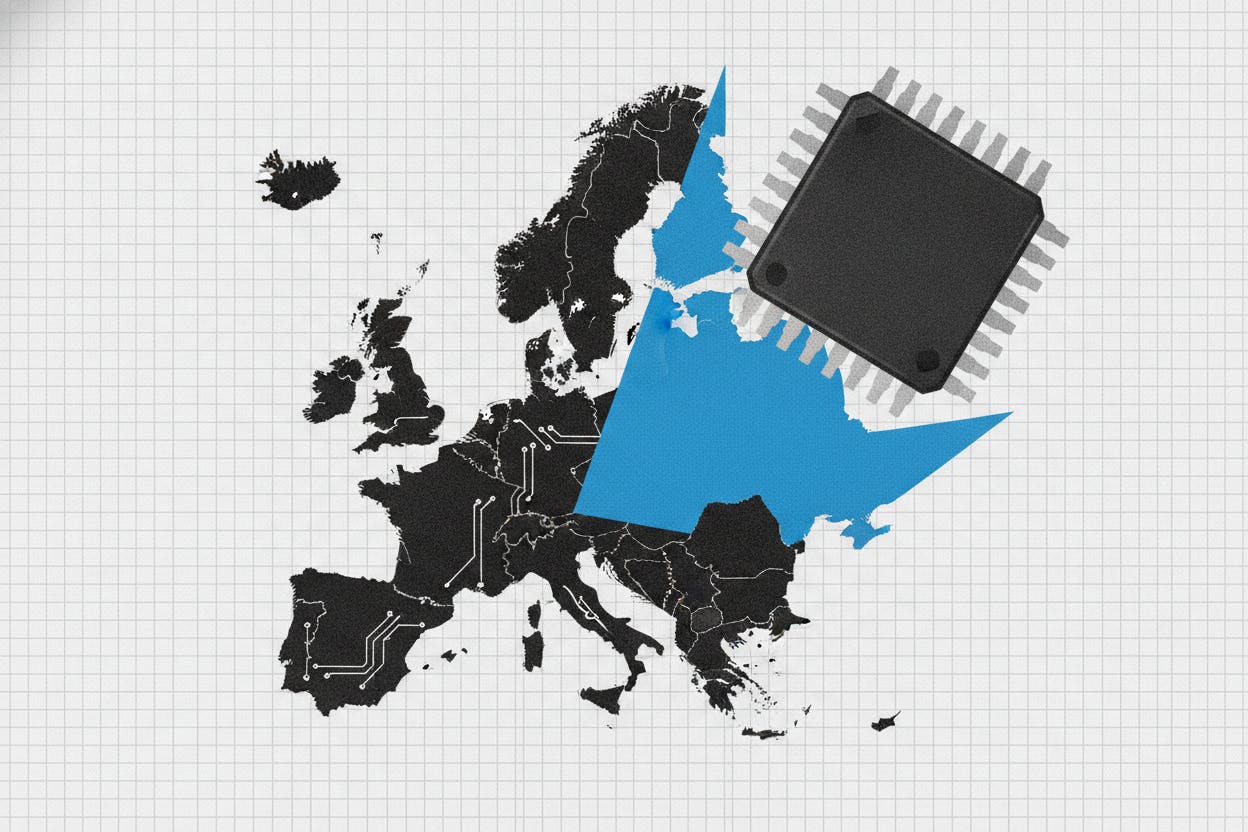
European technology stocks got a fresh boost on Thursday after upbeat forecasts from US chipmakers Micron and Qualcomm eased concerns that AI-related valuations had run ahead of actual demand. The STOXX Europe 600 Technology Index rose 1.7%, with semiconductor and equipment makers leading the charge.
The broader STOXX Europe 600 index posted only modest gains, as mixed company news elsewhere kept the overall market in check. Swedish retailer H&M slipped after missing profit expectations, while budget airline easyJet jumped after rejecting another takeover offer from US investment firm Castlelake.
Why Chip Forecasts Matter for Europe
Earnings guidance from major US chipmakers often sets the tone for Europe's semiconductor supply chain, because many of the region's biggest tech names sell into the same AI data-center buildout. When companies like Micron and Qualcomm sound confident, investors tend to mark down the chance of an AI-demand "air pocket" — a sudden lull in orders that can hit earnings.
That dynamic was on full display Thursday. Infineon gained 5.2%, STMicroelectronics rose 3.7%, and both ASML and BE Semiconductor climbed more than 3.5% each. These companies are key suppliers of chips and equipment used in AI data centers, so their fortunes are closely tied to the outlook for AI spending.
The positive sentiment also rippled across Asian markets earlier in the week, as Micron and Qualcomm forecasts rekindled an AI chip rally in that region. The US chipmakers' outlooks helped steady nerves after a 30% quarterly gain for Europe's tech index, which had left some investors wondering whether the rally had further to run.
What It Means for Investors
For everyday investors, the message is that AI-driven demand for chips and equipment remains a powerful force in markets. When big chipmakers signal strong orders, it reduces the "caution premium" that investors build into prices for the AI supply chain. That can cause tech-heavy indexes to move sharply on just a few lines of guidance.
Semiconductor equipment makers and chipmakers tend to swing even more than the broader market because their profits can change quickly when expected volumes shift. Names like ASML, BE Semiconductor, Infineon, and STMicroelectronics often see larger day-to-day moves than the wider STOXX Europe 600 whenever US chip outlooks reset expectations.
The broader context: AI-related stocks have been on a tear this year, driven by massive spending on data centers and the chips that power them. But the rally has also raised questions about whether valuations have gotten ahead of reality. Thursday's move suggests that, for now, investors are still willing to bet on continued growth.
Other Movers: H&M and easyJet
While tech stocks dominated the headlines, other European companies moved on their own news. H&M slipped after the fashion retailer reported profits that fell short of analyst expectations. The miss highlights the challenges facing traditional retailers as they navigate rising costs and shifting consumer habits.
EasyJet, meanwhile, jumped after rejecting another takeover approach from Castlelake, a US investment firm. The airline has been the subject of repeated takeover interest, reflecting its strong brand and recovery in travel demand. For now, easyJet's management appears determined to go it alone.
The Bigger Picture
The day's action underscores how closely European tech stocks are tied to the US AI narrative. When American chipmakers speak, the rest of the world listens — and often moves. For investors, that means keeping an eye on US earnings season, especially from companies like Micron and Qualcomm, can provide early signals about the direction of European tech.
With the STOXX Europe 600 Technology Index up 30% for the quarter, the question is whether the rally can sustain itself. Thursday's gains suggest that confidence remains high, but the market's sensitivity to guidance also means that any disappointment could trigger sharp reversals.
As always, diversification and a long-term perspective remain key. While AI-related stocks offer exciting growth potential, they also come with higher volatility. Understanding the links between US chip forecasts and European tech stocks can help investors make more informed decisions — without chasing short-term moves.