Global chip stocks rallied after US memory maker Micron told investors that customers have already lined up $22 billion in commitments for future memory-chip supply. The news eased fears that demand for artificial intelligence hardware is cooling, sending shares of South Korea's Samsung Electronics and SK Hynix sharply higher, along with Dutch chip-equipment giant ASML.
What Micron's Signal Means
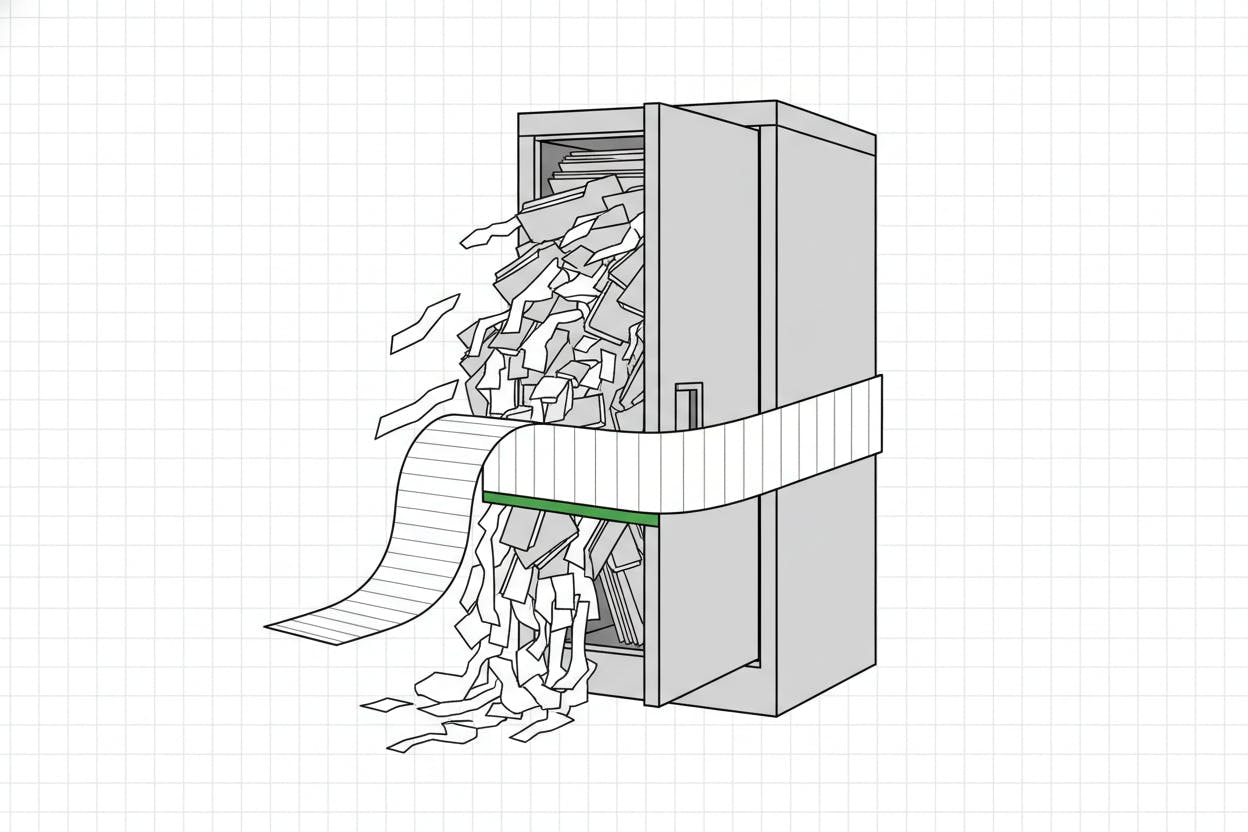
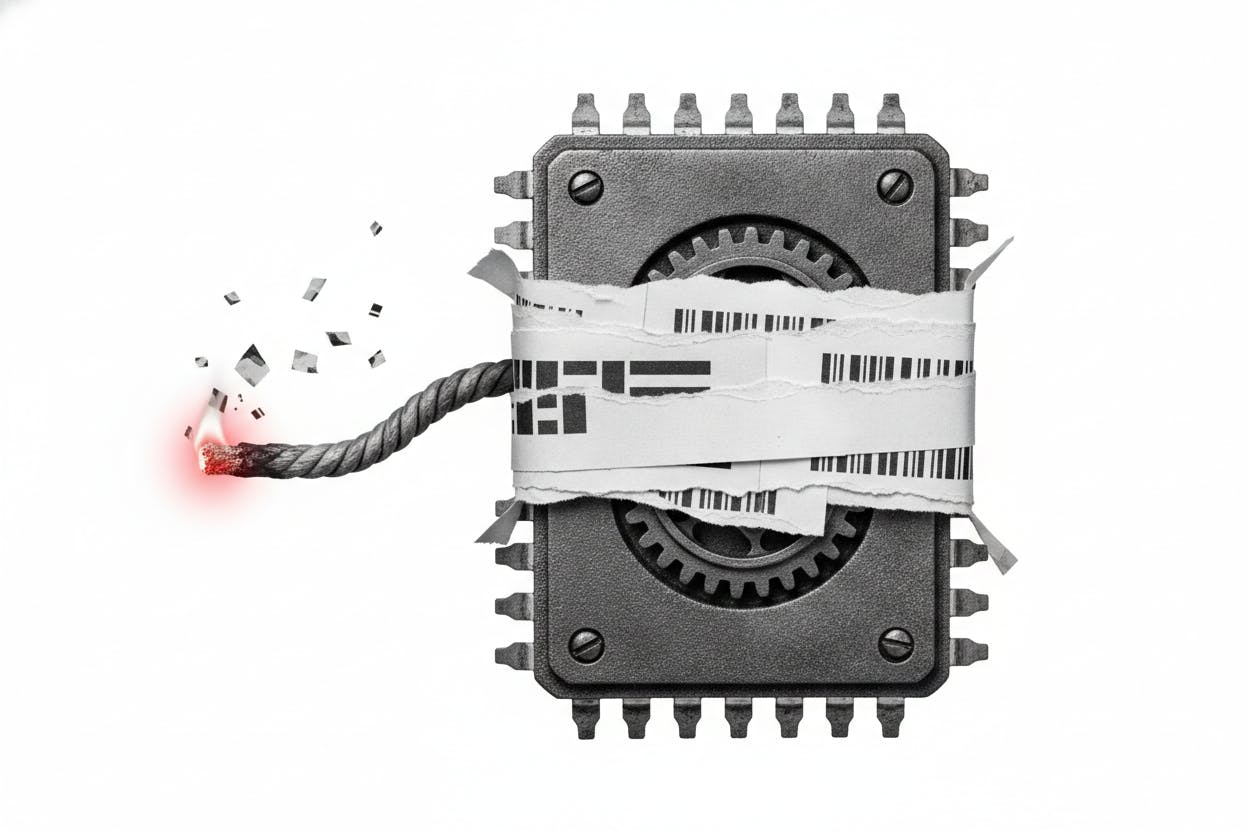
Micron, one of the world's largest memory-chip makers, reported a quarterly revenue and profit outlook that topped Wall Street expectations. But the headline number that caught markets' attention was the $22 billion in customer supply commitments — effectively pre-orders for memory chips that will be delivered over time.
Memory chips have a reputation for boom-and-bust cycles. When demand surges, prices spike and producers rush to build new factories. When demand falls, prices collapse and investment freezes. What Micron revealed suggests a different pattern this time: big customers are reserving future capacity, turning what could be a series of one-off orders into a visible backlog.
That distinction matters because it gives chipmakers more confidence to keep spending on new factories and equipment. If demand looks locked in, management teams are less likely to slam the brakes at the first sign of a slowdown.
Ripple Effects Across the Chip World
Investors pushed up not just memory names like Samsung and SK Hynix, but also suppliers that benefit when chipmakers keep investing in new capacity. That's why ASML, the Dutch company that makes the lithography machines used to manufacture advanced chips, moved higher alongside the memory stocks.
Analysts described the move as a self-reinforcing loop. If tight supply keeps memory prices firm, profits improve, which can support more investment in capacity. That, in turn, drives orders for the companies that build the picks and shovels of the chip world — equipment makers like ASML and materials suppliers.
The rally extended beyond Asia. European tech stocks got a lift from the Micron news, and US chip stocks also gained. The broader signal was that AI-related demand for memory chips may be stickier than some investors had feared.
What It Means for Investors
For everyday investors, the key takeaway is that Micron's $22 billion figure hints at steadier demand for a famously cyclical business. Those supply commitments could help smooth out the memory market by giving producers more visibility on factory utilization and pricing.
More predictable cash flows can support valuations for memory makers like Samsung and SK Hynix. But the bigger knock-on effect is for the tools chain: chip-equipment suppliers' sales depend on whether customers keep multi-year spending plans intact. So when Micron shows demand that looks pre-booked rather than purely cyclical, the optimism can broaden from memory stocks to firms like ASML and other chip-industry suppliers.
Investors should also watch for whether other memory makers report similar pre-commitment figures. If the trend spreads, it could signal a structural shift in how the memory industry manages supply and demand — potentially reducing the severity of future downturns.
For now, the market is betting that AI demand is real and durable. Micron's $22 billion number is the latest piece of evidence supporting that view.