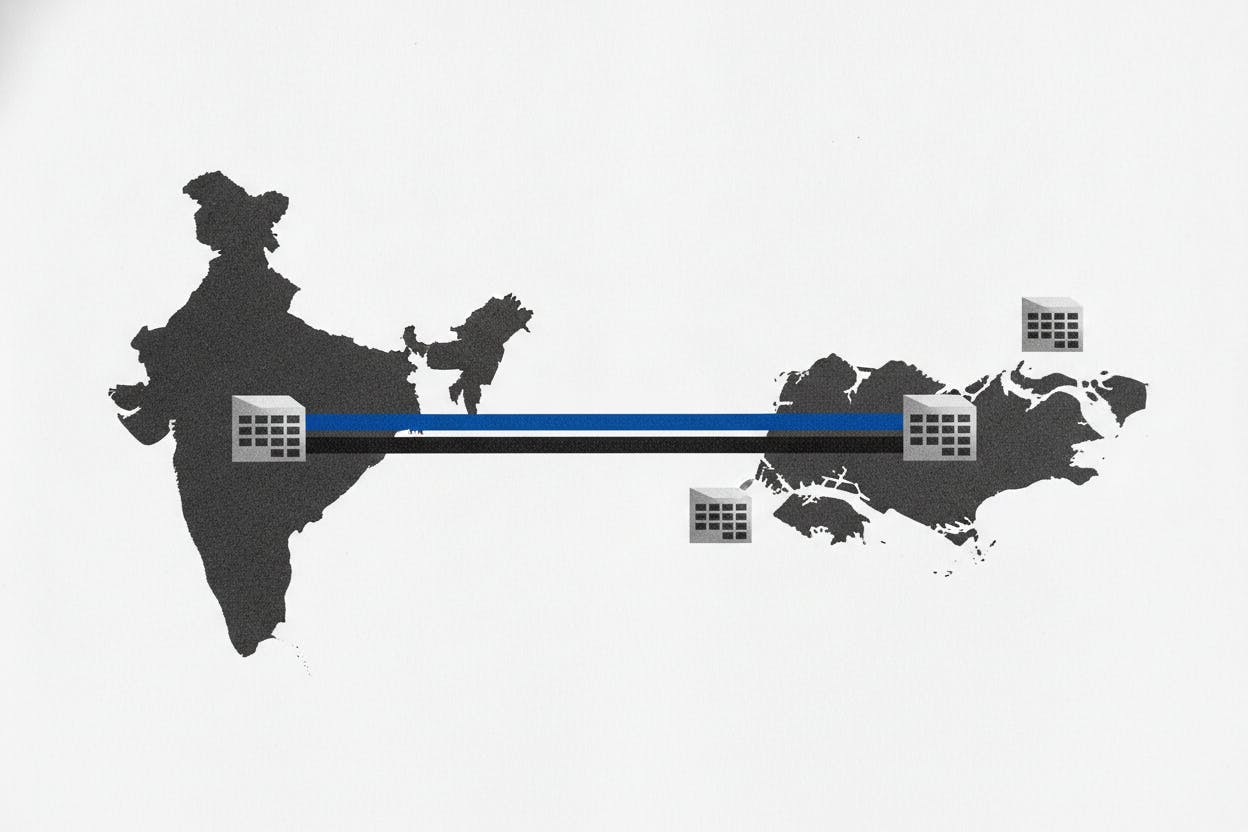
Microsoft has joined Singapore Telecommunications (Singtel) and Tata Communications to build a new subsea cable system linking India's east coast with Singapore and Malaysia, according to reports on Thursday. The project, named I-2SEA, is designed to handle the explosive growth in data traffic driven by artificial intelligence (AI) and cloud computing.
The 3,600-kilometer cable will add four new landing stations, connecting Machilipatnam and South Chennai in India to Singapore and Malaysia. This aims to reduce reliance on existing cable hubs and create more direct routes for international data traffic, according to MoneyControl.
Why This Cable Matters
Subsea cables are the physical backbone of the global internet, carrying nearly all international data traffic. As AI models and cloud services require massive amounts of data to be transferred quickly between continents, demand for new cable capacity has surged. India, with its rapidly growing digital economy and large pool of tech talent, is a key market for both cloud providers and AI developers.
Microsoft's involvement is part of a broader push by the tech giant to expand its digital infrastructure in Asia. The company has been investing heavily in AI and cloud services, including a $2.5 billion AI integration unit for enterprise clients and a recent revenue-sharing plan with Nvidia that failed to halt a broader tech selloff. The I-2SEA cable will help Microsoft ensure low-latency connections for its Azure cloud customers and AI workloads in the region.
Singtel and Tata Communications are experienced players in the subsea cable business. Singtel operates one of the largest cable networks in Asia, while Tata Communications owns a global network including the Tata Global Network. Their partnership with Microsoft brings together deep telecom expertise and the financial muscle of a major cloud provider.
What It Means for Investors
For everyday investors, this project signals that the infrastructure buildout for AI and cloud computing is accelerating. Companies that own or operate subsea cables—like Singtel and Tata Communications—stand to benefit from long-term contracts and rising data traffic. However, these projects are capital-intensive and take years to complete, so the payoff is not immediate.
Microsoft's investment in I-2SEA is part of a larger trend of tech giants spending billions on data centers, cables, and energy deals to support AI. For example, Chevron's Kilby power deal with Microsoft shows how energy companies are also getting involved. Meanwhile, Amazon is building its own satellite network, Project Kuiper, to provide internet connectivity from space.
Investors should watch for further announcements from other tech firms about similar cable projects, as well as regulatory approvals for I-2SEA. The cable is expected to take several years to build, but once operational, it could become a critical piece of digital infrastructure for India and Southeast Asia.
Broader Market Context
The I-2SEA project comes at a time when India's digital economy is booming, driven by rising internet penetration, government digitization initiatives, and a startup ecosystem that includes unicorns in fintech, e-commerce, and AI. However, the country also faces challenges such as currency volatility—the Indian rupee recently slipped past 95 against the US dollar as central bank support faded.
Singapore, meanwhile, has seen its stock market rise amid positive sentiment from US-Iran talks and real estate deals, as reported in Singapore stocks rising 1.1%. The cable will strengthen economic ties between India and Singapore, two key players in the Asian tech landscape.
For investors focused on the AI theme, this cable is a reminder that the infrastructure layer—cables, data centers, and power—is just as important as the software and chips. Companies that provide this backbone may offer more stable returns than the volatile AI stock market, though they also face risks from geopolitical tensions and construction delays.