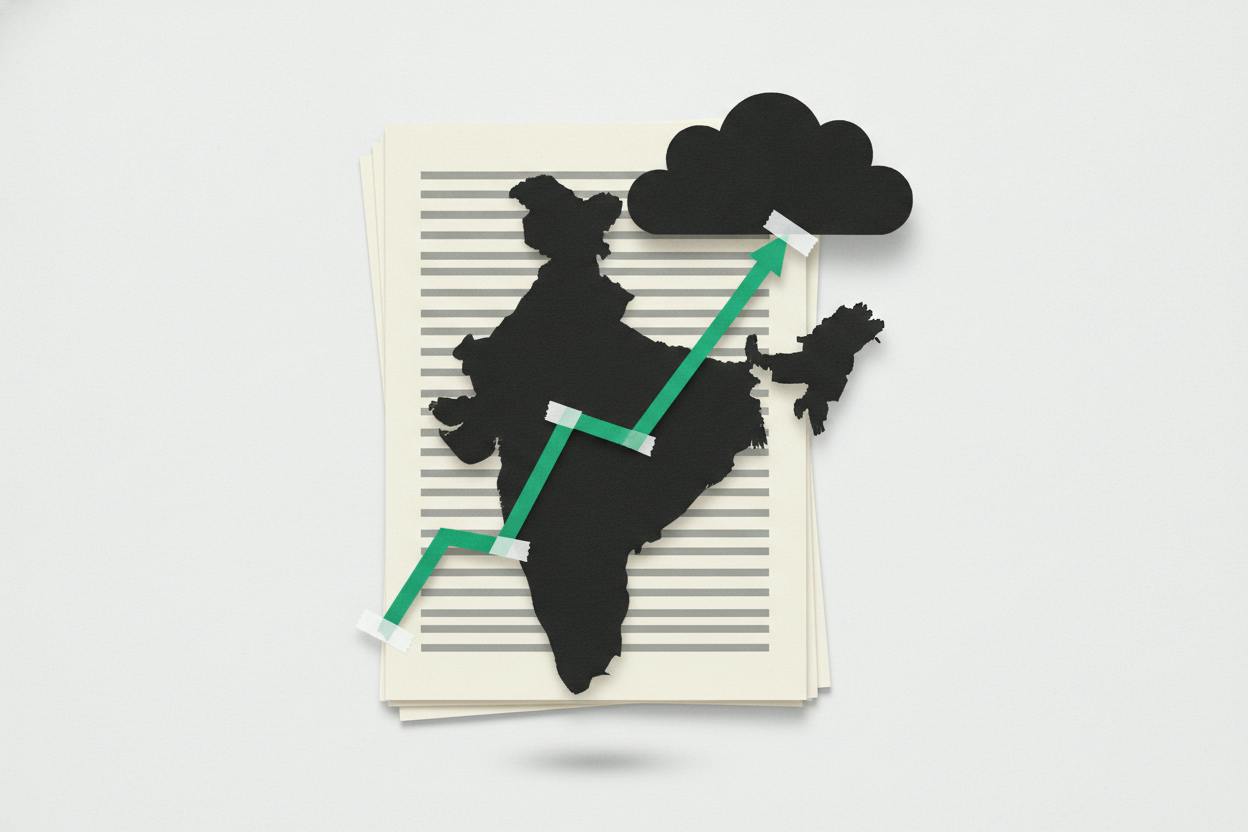
Moody's, a major credit rating agency, has raised its growth forecast for India to 7% for the fiscal year ending March 2027, up from a previous estimate of 6.5%. The upgrade reflects expectations that the economy will continue to expand at a robust pace, driven by strong consumer spending, rising business investment, and a generally stable macroeconomic environment.
However, the agency also sounded a cautious note, flagging three key risks that could derail the growth trajectory: persistent inflation, potential disruptions from an erratic monsoon season, and the possibility of further interest rate hikes by the Reserve Bank of India (RBI).
Why the upgrade?
Moody's attributes the improved outlook to a broadening of growth drivers. While consumption has been a traditional pillar of India's economy, the agency notes that investment activity is also picking up, providing a second engine of growth. This diversification makes the economy less vulnerable to a slowdown in any single sector.
Additionally, Moody's believes India has weathered the impact of higher energy prices better than initially expected. The country has diversified its oil and gas supplies, reducing its reliance on any single source. Government measures, such as tax adjustments and support for state-backed fuel retailers, have also helped cushion the blow for consumers and businesses.
The risks ahead
Despite the optimistic headline number, Moody's was explicit about the challenges that lie ahead.
Inflation remains a concern
Inflation, particularly food inflation, has been a persistent headache for Indian policymakers. Erratic weather patterns, including heatwaves and uneven monsoons, have disrupted agricultural output and kept food prices elevated. This not only erodes household purchasing power but also complicates the RBI's task of managing price stability while supporting growth.
Monsoon unpredictability
The monsoon is the lifeline of India's agriculture sector, and a weak or uneven rainfall can have cascading effects on rural incomes and food supply. Moody's flagged that any significant shortfall in monsoon rains could push food prices higher and dampen rural demand, which is a crucial component of overall consumption.
More rate hikes on the horizon
To combat inflation, the RBI has already raised interest rates several times, and Moody's suggests that further hikes may be necessary. While higher rates help cool price pressures, they also increase borrowing costs for businesses and consumers, potentially slowing investment and spending. This creates a delicate balancing act for the central bank.
What it means for investors
For everyday investors, this forecast is a mixed bag. On one hand, a 7% growth rate signals a resilient economy with opportunities for companies across sectors. On the other hand, the risks of inflation and higher rates could translate into market volatility.
Equity investors might see the growth upgrade as a positive sign for corporate earnings, but they should also be prepared for potential headwinds from rising input costs and borrowing expenses. Fixed-income investors, meanwhile, may find that bond yields remain under pressure if the RBI continues to hike rates.
The outlook also has implications for foreign investors, who have been returning to Indian stocks as oil prices slide and the Nifty hits eight-month highs. A stable growth story could further attract capital inflows, but any negative surprises on inflation or monsoon could quickly reverse sentiment.
For those with exposure to Indian assets, diversification remains key. As always, it's wise to focus on long-term fundamentals rather than reacting to short-term forecasts.
Moody's forecast is not a guarantee, but it provides a useful benchmark for understanding where the world's fifth-largest economy is headed. The coming months will reveal whether India can indeed sustain near-7% growth while navigating the challenges that lie ahead.



