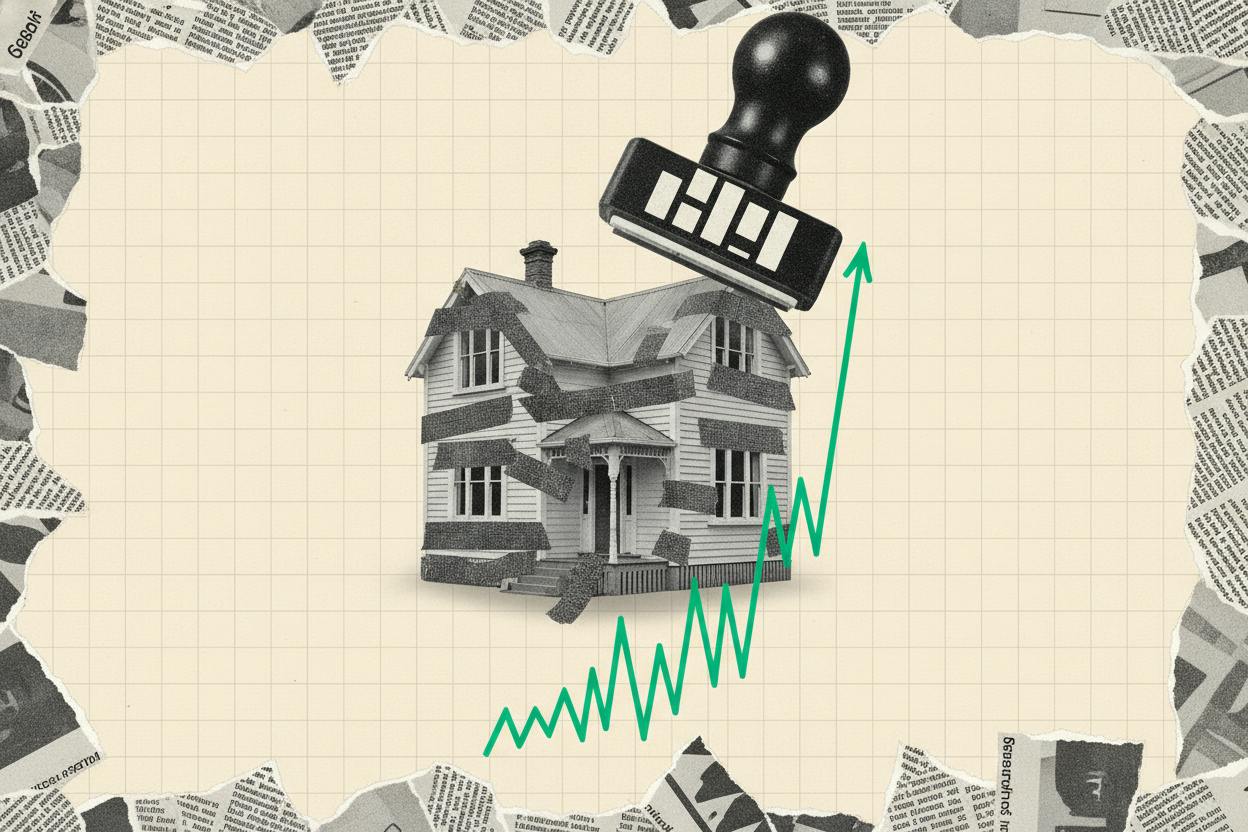
The Mortgage Bankers Association (MBA) reported Wednesday that mortgage applications fell 6.4% in the week ending July 24, as the average 30-year fixed mortgage rate rose to 6.76%. The decline was broad-based, with both refinancing and home purchase activity losing ground.
What the data shows
The MBA's weekly survey, which tracks application volume from commercial banks and mortgage lenders, showed that the seasonally adjusted refinance index dropped 10% from the previous week. Purchase applications, a gauge of homebuying demand, fell 4% over the same period.
The average contract interest rate for 30-year fixed-rate mortgages with conforming loan balances ($832,750 or less) increased to 6.76% from 6.69% the week before. While that might seem like a small move, it was enough to push some borrowers to the sidelines.
MBA deputy chief economist Joel Kan noted that the upward drift in rates is still "significantly" weighing on refinancing activity. Many homeowners who locked in rates below 4% during the pandemic have little incentive to refinance at current levels, which are more than double what they were in early 2022.
Why a small rate move matters
The housing market is in an unusual position. Millions of homeowners are sitting on mortgages with rates between 2.5% and 4%, thanks to the Federal Reserve's ultra-low rate policy during the COVID-19 pandemic. That has created a so-called "rate lock-in effect" — people are reluctant to sell and give up their cheap financing, which has kept inventory tight and prices elevated.
For those who do need to borrow today, even a modest rate increase can have an outsized impact on monthly payments. On a $400,000 loan, the difference between 6.69% and 6.76% adds roughly $18 to a monthly payment, or about $6,500 in extra interest over a 30-year term. For budget-conscious buyers, that can be enough to delay a purchase.
This dynamic is playing out against a broader backdrop of rising home prices, which have continued to climb even as rates have stayed elevated. The combination of high prices and high borrowing costs has pushed affordability to its lowest level in decades.
What it means for investors
For everyday investors, the mortgage data offers a window into the health of the housing market and the broader economy. When mortgage demand falls, it can signal that consumers are feeling squeezed by higher borrowing costs, which may eventually slow consumer spending — a key driver of economic growth.
Housing-related stocks, including homebuilders, building materials suppliers, and real estate investment trusts (REITs), can be sensitive to these trends. A sustained drop in mortgage applications could weigh on homebuilder sentiment and new construction activity, though many builders have been able to offset higher rates by offering rate buydowns and other incentives.
The bond market also watches mortgage data closely. Mortgage-backed securities (MBS), which are bundles of home loans sold to investors, are directly affected by changes in refinancing and prepayment speeds. When rates rise and refinancing slows, MBS investors can expect more predictable cash flows, which can influence yields.
Investors should also keep an eye on the Federal Reserve's next moves. While the Fed does not directly set mortgage rates, its benchmark interest rate influences the broader lending environment. The central bank has held rates steady at its recent meetings, but traders are bracing for the possibility of further hikes if inflation remains stubborn.
Looking ahead
The MBA's data is a weekly snapshot, so one week does not make a trend. But the persistent weakness in refinancing — which has been running at multi-decade lows — suggests that the housing market is still adjusting to the new normal of higher rates.
If rates continue to drift higher, purchase applications could face additional headwinds, especially as the summer homebuying season winds down. On the other hand, any signs that the Fed is done raising rates could provide relief and bring some sidelined buyers back into the market.
For now, the message is clear: the housing market remains rate-sensitive, and even small moves can have a noticeable impact on demand. Investors should watch upcoming economic data, including inflation reports and employment figures, for clues about where rates may head next.