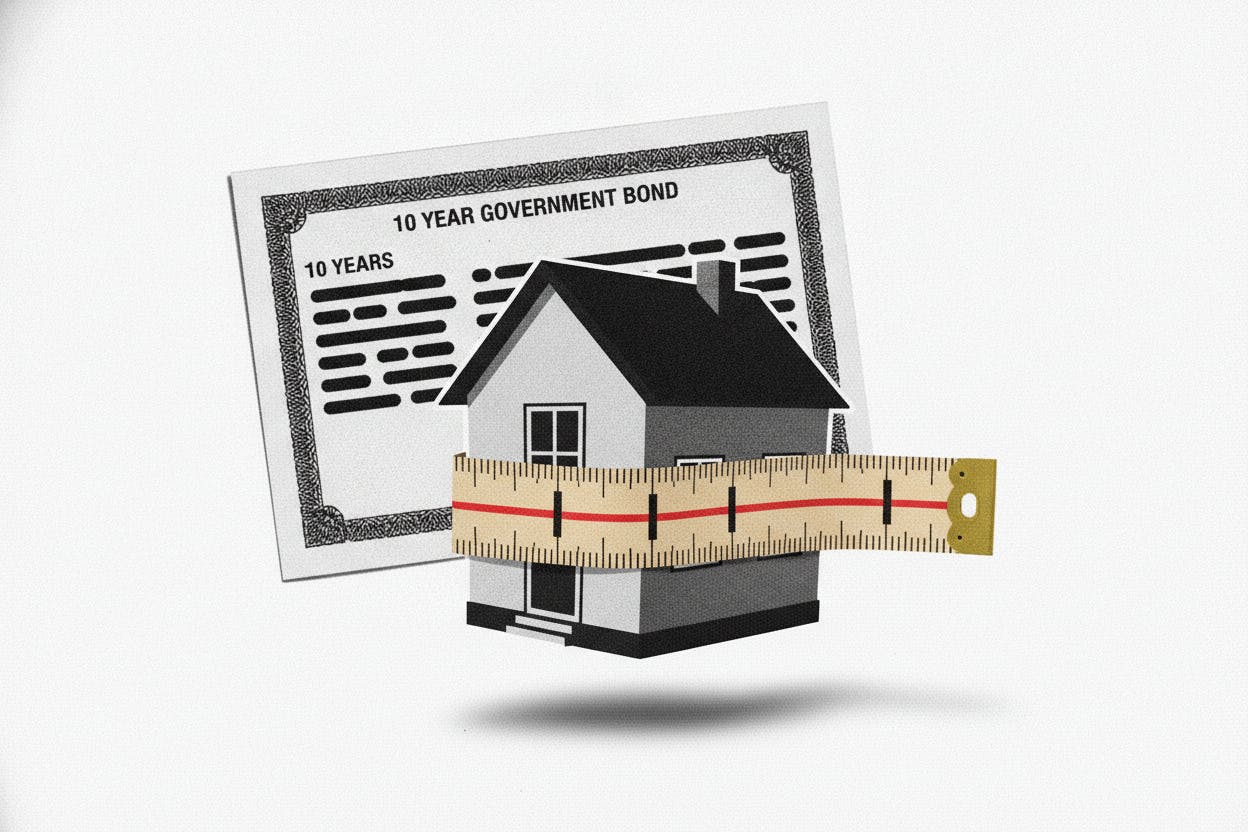
The average rate on a 30-year fixed mortgage has risen to 6.69%, marking its highest level since last August, according to data from the Mortgage Bankers Association (MBA). The increase comes as higher oil prices and firmer Treasury yields keep inflation worries firmly in focus, making it more expensive for Americans to borrow to buy a home.
The rate, which applies to the most common type of home loan in the United States, has been climbing steadily in recent weeks. The MBA's weekly survey, which tracks mortgage applications and rates, showed the contract rate on 30-year fixed mortgages rose in the week ended July 17. The last time rates were this high was in late summer 2023, a period when the housing market was grappling with affordability challenges that have persisted into this year.
Why Mortgage Rates Are Rising
Mortgage rates don't move in a vacuum. They are heavily influenced by the bond market, specifically the yield on the 10-year U.S. Treasury note. That yield acts as a benchmark for lenders when pricing home loans. When Treasury yields rise, mortgage rates tend to follow.
Since late June, the 10-year Treasury yield has climbed by more than a quarter of a percentage point, according to Reuters. That move has been driven by a combination of factors, including stronger-than-expected economic data and renewed inflation concerns. Higher oil prices have added to the pressure. Oil has rallied in recent weeks, pushing up costs for gasoline and other energy products, which feeds into broader inflation measures. Investors worry that persistent inflation could force the Federal Reserve to keep interest rates higher for longer, which in turn pushes bond yields up.
This dynamic is not unique to the U.S. In other parts of the world, similar forces are at play. For example, an oil rally has pushed Indian bond yields higher, though central bank support has capped the rise there. The global nature of the bond market means that what happens with oil and inflation in one major economy can ripple across borders.
What This Means for Homebuyers and Homeowners
For anyone looking to buy a home, a 6.69% rate adds a significant amount to monthly payments compared to the ultra-low rates seen in 2020 and 2021. A higher rate means less purchasing power: the same monthly budget buys a smaller loan amount, which can push some buyers out of the market or force them to look at cheaper homes.
Existing homeowners with adjustable-rate mortgages or those considering refinancing also feel the pinch. Refinancing activity typically drops when rates rise, as the incentive to swap an old loan for a new, lower-rate one diminishes. The housing market has already been under pressure from high prices and limited inventory, and higher mortgage rates add another layer of difficulty.
Companies that depend on the housing market are watching these developments closely. For instance, Equifax recently trimmed its 2026 revenue forecast, citing the squeeze from high mortgage rates on the housing market. Similarly, homebuilders like PulteGroup have used mortgage buydowns to attract buyers, but those strategies come with their own costs, as seen in PulteGroup's mortgage buydowns boosting orders but squeezing margins.
Broader Market Context
The rise in mortgage rates is part of a larger story about inflation and interest rates. The Federal Reserve has kept its benchmark interest rate at a 23-year high since July 2023, trying to cool inflation down to its 2% target. While inflation has eased from its peak, it remains stubbornly above that target, and recent data—including higher oil prices—has kept the pressure on.
Oil prices have been a key driver. Oil hit a five-week high amid rising geopolitical tensions, including between the U.S. and Iran. Higher energy costs feed into the cost of goods and services across the economy, making it harder for inflation to fall. This has kept bond yields elevated, and mortgage rates along with them.
Investors are also watching other central banks for clues. The Bank of England, for example, recently held rates steady as UK inflation dipped to 2.6% in June, but remains cautious. The global picture suggests that the era of cheap borrowing is not returning anytime soon.
What Investors Should Watch Next
For everyday investors, the key takeaway is that mortgage rates are likely to stay elevated as long as inflation and oil prices remain high. The next major data points to watch include the Federal Reserve's policy meeting later this month, where it will signal its next moves on interest rates. Also important are weekly oil inventory reports and monthly inflation readings, such as the Consumer Price Index (CPI).
If oil prices continue to rise, mortgage rates could climb further, putting more pressure on the housing market and related sectors. Conversely, if inflation shows clear signs of cooling, bond yields could fall, giving mortgage rates room to ease. For now, the trend is upward, and homebuyers and investors alike should brace for continued higher borrowing costs.