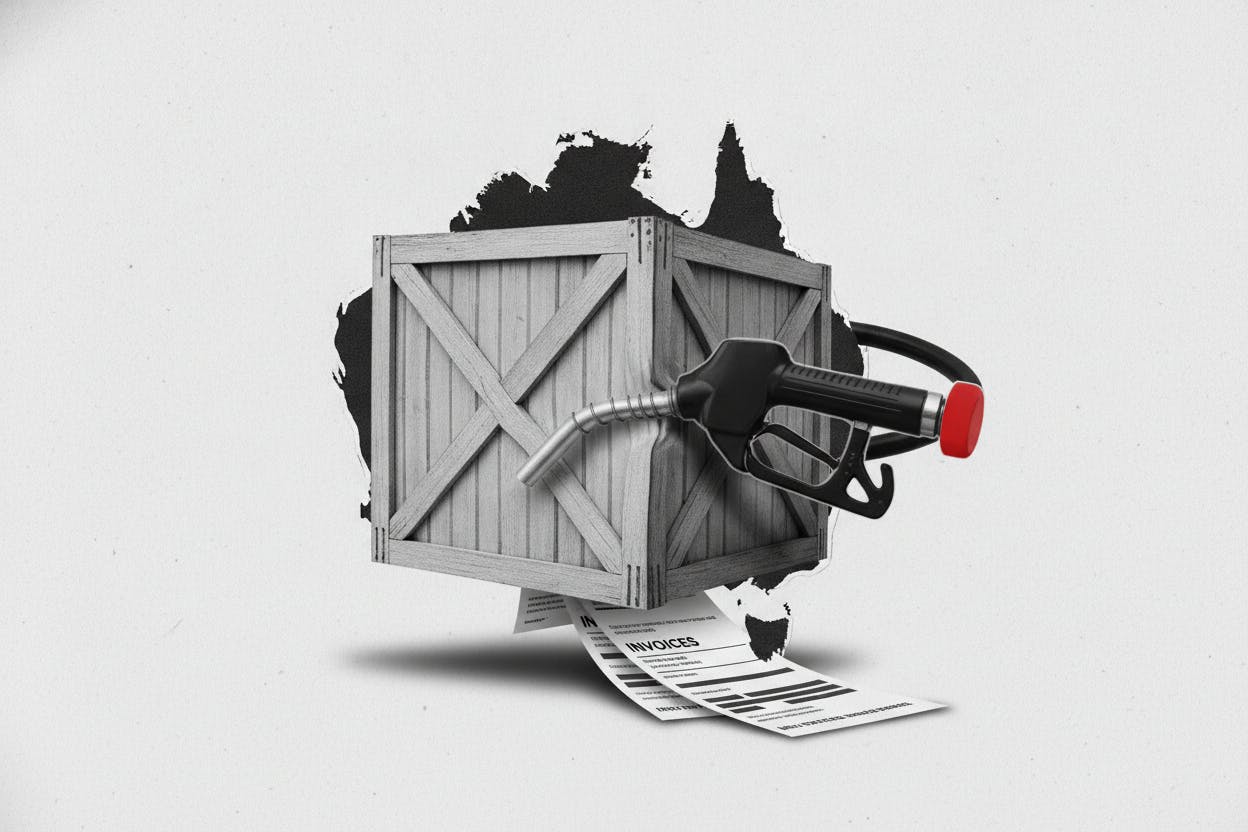
Australian businesses are feeling a fresh cost squeeze as fuel prices surge, with new data from the Australian Bureau of Statistics (ABS) showing nearly half of all firms reported higher operating expenses over the past four weeks. The ABS survey, conducted from June 4th to 15th, found that 46% of businesses experienced increased costs after fuel prices jumped a staggering 71%.
The survey, which polled firms across industries to gauge the impact of fuel price and supply disruptions, highlights how rising energy costs are rippling through the broader economy. The ABS noted that 73% of businesses reported that fuel prices or availability had negatively affected their operations, underscoring the widespread nature of the squeeze.
Why Fuel Prices Are Surging
The sharp rise in fuel costs comes amid heightened geopolitical tensions, particularly around the Strait of Hormuz, a critical chokepoint for global oil shipments. Disruptions in the region have pushed crude oil prices higher, with oil surging on US-Iran tensions in recent weeks. While some of those tensions have since eased, the impact on fuel prices has been swift and severe for Australian businesses, which rely heavily on imported oil and refined products.
Fuel is a key input for nearly every sector, from transportation and logistics to manufacturing and agriculture. When diesel and petrol prices spike, the cost of moving goods, running machinery, and even heating facilities rises almost immediately. The ABS data suggests that businesses are not simply absorbing these higher costs—they are passing them on or adjusting operations in response.
How Businesses Are Responding
The survey found that 58% of firms have taken action to mitigate the impact of higher fuel costs. Common strategies include raising prices for customers, reducing delivery frequency, or switching to more fuel-efficient routes and vehicles. For smaller businesses with thinner margins, the squeeze is particularly acute, as they have less room to absorb cost increases without cutting into profits.
This cost pressure comes at a time when Australian consumer confidence is already fragile. Recent data showed Australian consumer confidence edging up as inflation expectations dip, but the fuel-driven cost surge could reverse that trend. If businesses pass on higher costs to consumers, it could reignite inflationary pressures, complicating the Reserve Bank of Australia's (RBA) efforts to keep inflation in check.
What It Means for Investors
For everyday investors, the ABS data is a reminder that fuel prices remain a wildcard for the Australian economy. Companies with high exposure to fuel costs—such as airlines, transport firms, and logistics providers—may see their margins squeezed in the coming months. On the other hand, energy producers and fuel retailers could benefit from higher prices, though the broader economic drag from rising costs may offset those gains.
The fuel price surge also has implications for inflation and interest rates. If businesses continue to raise prices to cover higher fuel costs, the RBA may be forced to keep interest rates higher for longer, which could weigh on stock market valuations and economic growth. Investors should watch for upcoming inflation data and RBA commentary for clues on how policymakers view this cost pressure.
Globally, fuel price volatility remains a key theme. While tensions around the Strait of Hormuz have eased somewhat, the situation remains fluid. Singapore stocks edged higher as US-Iran tensions eased ahead of key jobs data, but any renewed disruption could send oil prices higher again. Similarly, Swiss stocks edged higher as Hormuz tensions eased, but the underlying risk of supply disruptions persists.
For Australian investors, the key takeaway is that fuel costs are a persistent headwind for many businesses. Diversification across sectors and a focus on companies with pricing power or low fuel sensitivity could help navigate this environment. As always, staying informed about macroeconomic trends—like fuel prices and inflation—is crucial for making sound investment decisions.