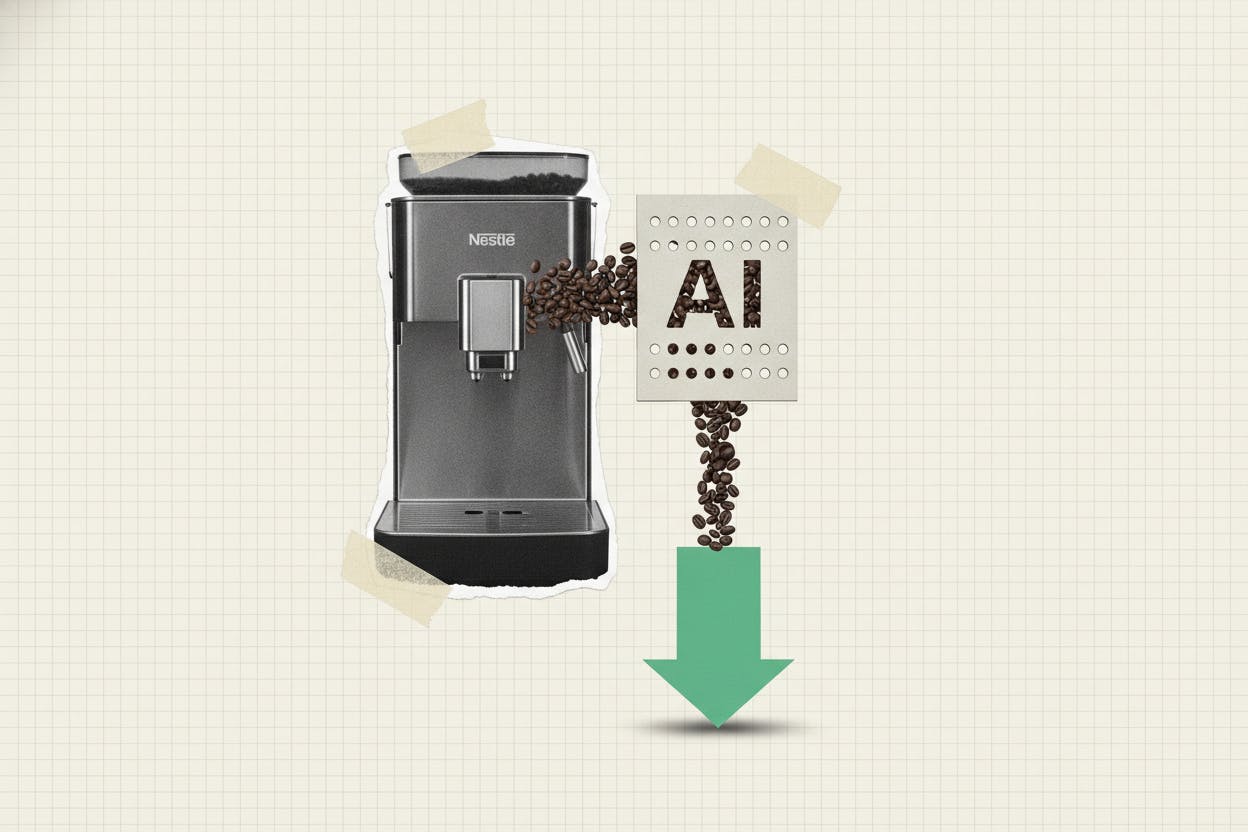
Nestlé, the Swiss food giant behind brands like Nescafé and Nespresso, is navigating two classic consumer staples dynamics: using artificial intelligence to cut costs and deciding how much of a commodity price drop to pass on to shoppers. Executives told Reuters that AI is already squeezing more efficiency out of operations, which could reduce headcount, while falling coffee bean prices may eventually cool prices in the coffee aisle.
AI Efficiency and Job Impact
Nestlé executives said AI can streamline work across the company, lifting profits even if sales growth slows. However, this also means fewer roles as processes get automated. This is a familiar story in the corporate world, where companies are increasingly adopting AI to improve margins. For Nestlé, which has faced trust issues after a baby formula recall, efficiency gains could help offset other costs.
The company is also working on removing artificial colors globally by 2026, a move that may test margins. AI-driven savings could provide a cushion for such initiatives.
Cheaper Coffee Beans: A Shift in Pricing Power
On coffee, a senior executive said the company will consider falling bean prices when setting retail prices. This is a notable shift after several years when higher input costs justified price hikes. However, the timing is key: consumer staples companies usually reset shelf prices slowly due to contracts, inventory bought at older prices, and retailer promotions. So the first effect of cheaper beans often shows up as better margins before consumers see lower sticker prices.
Coffee is a big category for Nestlé, so lower bean costs can reduce its cost of goods sold and support gross margin. But investors will watch the split between margin and volume. If rivals cut prices quickly, Nestlé may need to follow to protect market share. If it holds prices, it may keep more of the savings. This makes the company's next earnings narrative less about 'can we keep raising prices?' and more about 'how much do we give back at the shelf, and when?', with AI-driven savings potentially cushioning any price resets.
What It Means for Investors
For everyday investors, Nestlé's situation highlights two key themes. First, AI is not just a tech sector story—it's reshaping traditional industries like food and beverage. Companies that use AI to cut costs can protect profits even in a slow-growth environment. Second, commodity price swings can create both opportunities and risks for consumer staples stocks. Cheaper coffee beans could boost Nestlé's margins in the short term, but the company's pricing decisions will determine whether those gains last.
Investors should also consider the broader context. US consumer confidence has edged up as cheaper gas eases inflation fears, which could support spending. However, global uncertainties like Iran tensions and Middle East jitters could still affect markets.
Nestlé's next earnings report will be closely watched for signs of how AI savings and coffee costs are flowing through. For now, the message is clear: efficiency is up, and coffee prices may come down—but patience is required.