American consumers felt a little more optimistic in June, thanks largely to cheaper gasoline. The Conference Board, a leading research group, reported Tuesday that its consumer confidence index rose to 91.2, up from a downwardly revised 90.6 in May. The modest gain came even as a growing share of respondents said jobs were becoming harder to find — the highest level since January 2021.
The headline number, however, fell short of what economists had been expecting. That mixed picture suggests the recovery in sentiment is fragile and uneven, even as one of the biggest household budget pressures — fuel costs — has started to ease.
Gas Prices Provide a Tailwind
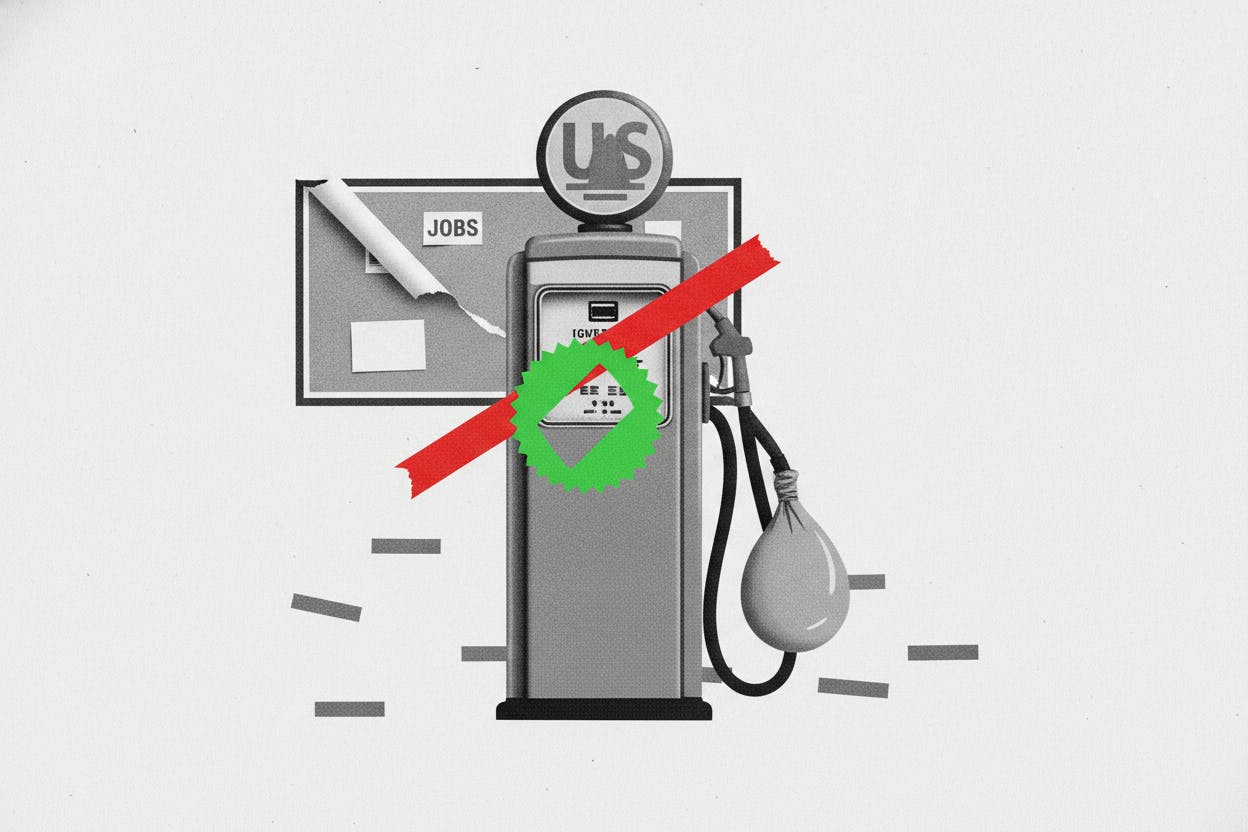
The main driver behind the uptick appears to be the recent drop in oil prices, which has translated into lower prices at the pump. The Conference Board's chief economist, Dana Peterson, noted that falling oil prices and a slight cooling in consumers' one-year inflation expectations helped lift the mood. That echoes findings from the University of Michigan's June sentiment survey, which also improved as gasoline prices moderated.
For everyday investors, this is a reminder that consumer spending — which makes up roughly two-thirds of US economic activity — is heavily influenced by how much people pay at the pump. When gas prices fall, households have more money left over for other purchases, which can support corporate earnings and, by extension, stock prices.
The broader energy backdrop supports this trend. Oil prices have been sliding and are on track for their worst quarter since 2020, driven by hopes of increased supply and ongoing talks with Iran. That has helped cool inflation expectations, even as the Federal Reserve continues to wrestle with whether to cut interest rates later this year.
Labor Market Concerns Creep In
Despite the headline improvement, the details of the Conference Board report contained a warning sign. The share of consumers saying jobs were “hard to get” rose to its highest level since early 2021. That metric is closely watched because it can foreshadow a softening labor market — and potentially weaker consumer spending down the road.
If more people find it difficult to land a job, wage growth could slow, and households may become more cautious about spending. That would be a headwind for the economy and for corporate profits, especially in sectors like retail, travel, and dining.
Investors should keep an eye on upcoming labor market data, including the monthly jobs report and the JOLTS survey, for further clues on whether the job market is truly cooling or just normalizing after a period of extreme tightness.
What It Means for Investors
For the average investor, the consumer confidence data is a useful temperature check on the economy. A rising confidence index generally supports risk assets like stocks, because confident consumers tend to spend more. But the fact that the index missed expectations and that the jobs component is weakening suggests the recovery is not yet on solid ground.
The divergence between the headline number and the labor market details is a classic example of why it pays to look beyond the top-line figure. While lower gas prices are a clear positive, the growing difficulty in finding a job could weigh on sentiment in the months ahead.
Investors should also consider the broader context. The Federal Reserve is closely watching consumer confidence and inflation expectations as it decides the path of interest rates. If confidence holds up and inflation continues to moderate, the case for rate cuts later this year could strengthen — a scenario that would likely be positive for stocks and bonds alike. However, if the labor market weakens significantly, the Fed may face pressure to act more quickly, which could introduce its own set of risks.
In the meantime, the energy sector remains a key variable. With oil prices plunging, the relief at the pump may continue, providing a cushion for consumer sentiment even as other headwinds persist.