Australian shares are poised to open higher on Wednesday, following a solid night on Wall Street that saw the S&P 500 gain 0.8% and the Nasdaq climb 1.5%. The positive lead comes after the ASX 200 fell 0.5% on Tuesday to close at 8,778.70, as traders weighed a mix of global and domestic signals.
The upbeat start reflects a broader market mood that remains cautious but not panicked. Investors are juggling several crosscurrents: fragile Middle East ceasefire talks, a slight cooling in Australia's housing market, and a major corporate deal in the resources sector.
Wall Street's rally provides a tailwind
US stocks rose overnight, with the tech-heavy Nasdaq leading the charge. The gains were broad-based, though energy stocks lagged as oil prices slipped. The rally on Wall Street follows a period of mixed data and shifting expectations around interest rates. For context, the S&P 500's 0.8% rise is a modest but welcome rebound after recent volatility. As we reported earlier, chip stocks powered the Nasdaq higher as oil prices slipped, a trend that continued overnight.
The positive US session provides a clear lift for Australian markets, which often take cues from Wall Street. However, the local market's direction will also depend on how investors interpret domestic economic signals and geopolitical developments.
Middle East ceasefire talks keep markets on edge
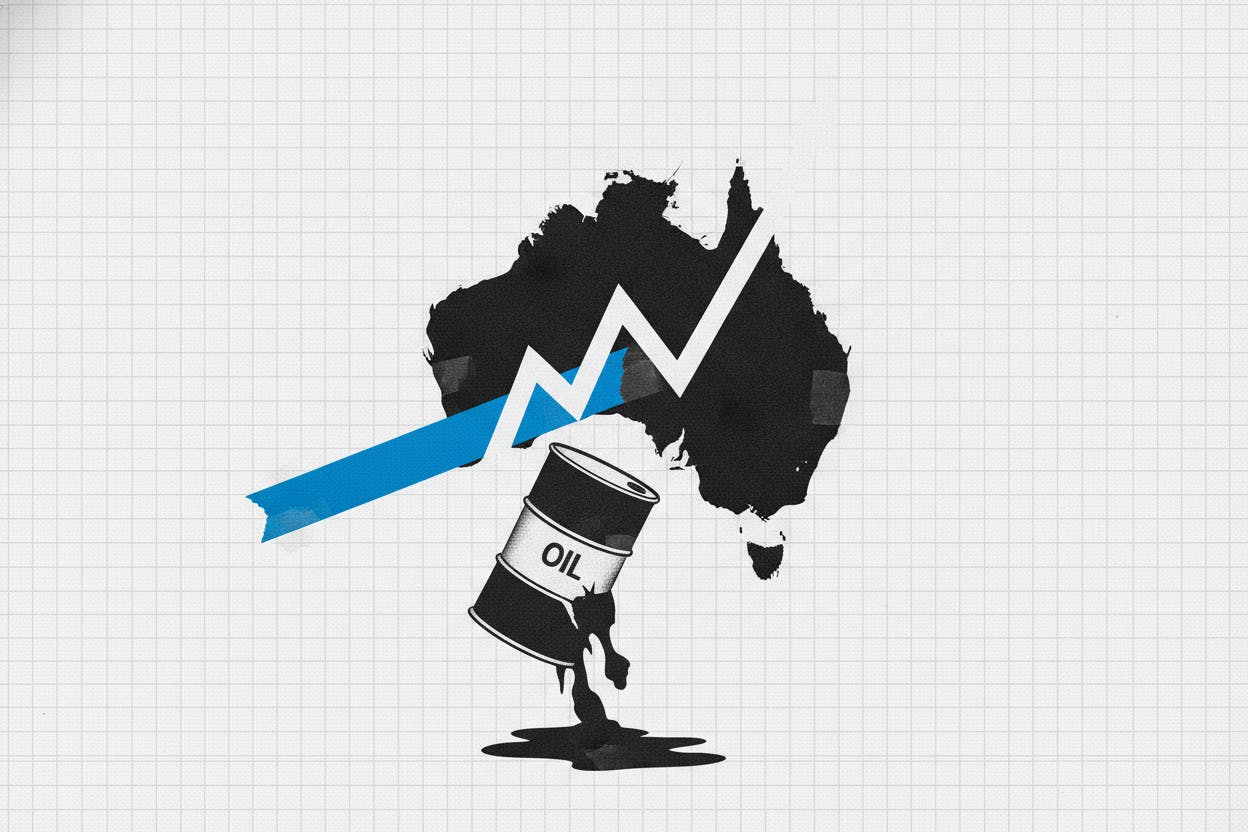
Oil prices were steady on the day but remain on track for their steepest monthly and quarterly losses since early 2020. That's a striking shift, given the elevated tensions in the Middle East. Investors are closely watching ceasefire negotiations in Doha, where conflicting signals from the US and Iran have fueled caution. Any breakdown in talks could quickly reignite risk aversion and push oil prices higher, while a successful deal might ease supply concerns.
The situation remains fluid. As we noted in our coverage of UAE stocks dipping on conflicting US-Iran signals, the market is sensitive to every twist in the talks. For Australian investors, the key takeaway is that energy stocks and the broader market could swing sharply if the ceasefire narrative changes.
Home values dip in June
On the domestic front, new data showed a dip in home values for June. While the decline is modest, it signals a potential cooling in Australia's housing market after a period of strong gains. This matters for investors because housing is a key driver of consumer wealth and confidence. A sustained downturn could weigh on retail spending and economic growth, though a mild pullback might simply reflect higher interest rates doing their work.
The Reserve Bank of Australia has kept rates on hold for several months, but the housing data adds to the case that the economy is slowing. That could influence the RBA's future decisions, though inflation remains a concern.
South32's $5.6 billion aluminum deal with Alcoa
In corporate news, South32 announced a $5.6 billion aluminum deal with Alcoa. The acquisition marks a significant move for the mining giant, which is expanding its exposure to the aluminum market. Aluminum is a key industrial metal used in everything from construction to electric vehicles, and demand is expected to grow as the world transitions to cleaner energy.
For South32 shareholders, the deal could boost earnings if aluminum prices remain strong. However, it also adds debt and integration risk. Investors will be watching for details on how the company plans to fund the acquisition and what synergies it expects.
What it means for investors
Wednesday's expected open higher is a positive sign, but the market remains in a wait-and-see mode. The combination of geopolitical uncertainty, mixed economic data, and corporate deal-making creates a complex backdrop. For everyday investors, the key is to stay diversified and avoid making big bets based on short-term noise.
The housing data suggests that the property market may be losing steam, which could affect real estate and banking stocks. Meanwhile, the South32 deal highlights the ongoing consolidation in the resources sector, which could create opportunities for patient investors.
Looking ahead, all eyes will be on the Middle East talks and any further economic data from Australia and the US. As we saw with mixed US data pulling Wall Street in opposite directions, the market is sensitive to surprises. Stay informed, but don't react to every headline.