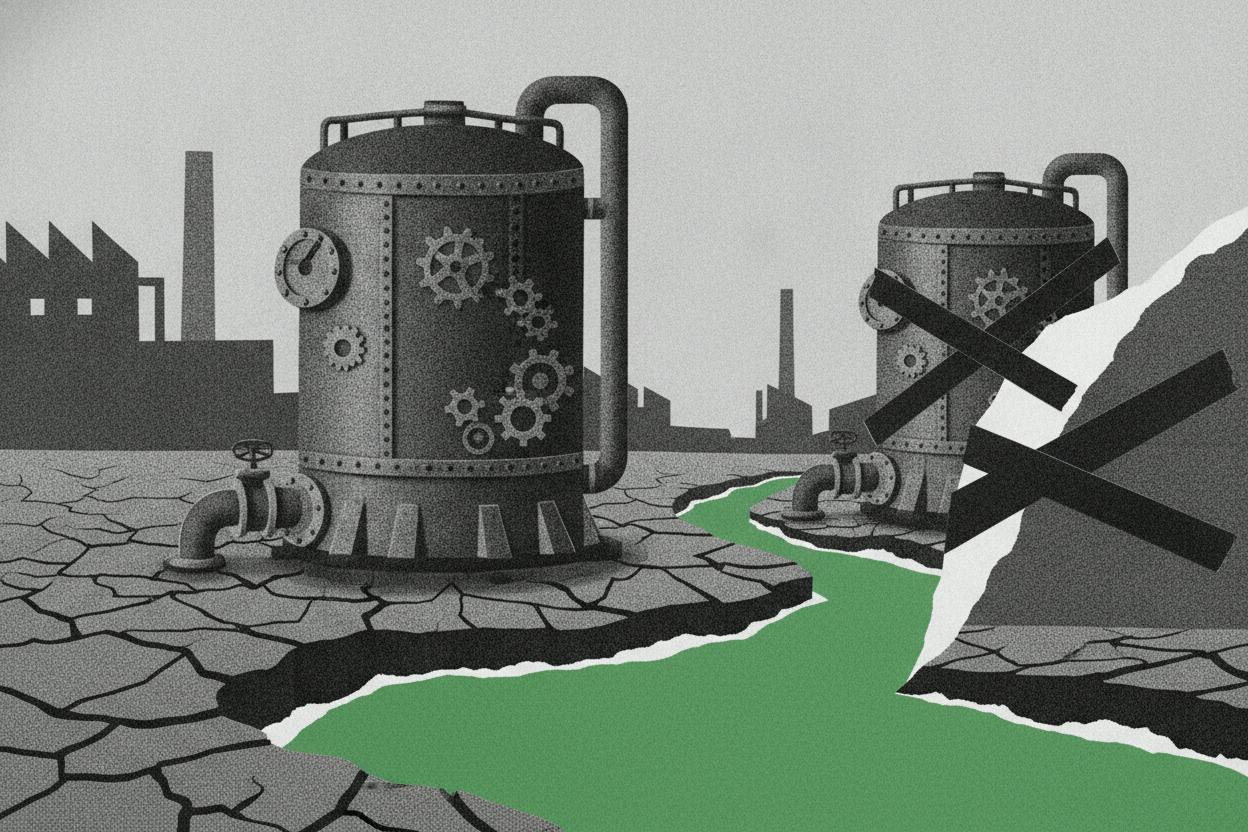
Nickel Industries is enjoying a strong earnings run as its Indonesian operations ramp up, but a basic logistical constraint—low river levels—could put a ceiling on output at its Excelsior nickel-cobalt project, according to analysts at Jefferies.
The investment bank estimates that Nickel Industries generated roughly $90 million in adjusted EBITDA (earnings before interest, taxes, depreciation, and amortization) across July and August. If September delivers a similar performance, that would put third-quarter EBITDA at around $135 million, helped by higher expected ore sales of 4.5 million tonnes.
However, Jefferies cautions that water shortages in the region could limit Excelsior's output to near 30% of its nameplate capacity. Nameplate capacity is the maximum output a facility is designed to produce under ideal conditions. When actual production falls well short of that, it can weigh on revenue and margins.
Why river levels matter for a nickel mine
Nickel processing, particularly the high-pressure acid leach (HPAL) technology used at projects like Excelsior, relies heavily on water. HPAL uses high temperatures and pressure to extract nickel and cobalt from laterite ore, and water is essential for slurry transport, cooling, and chemical processes. When river levels drop, operations can be forced to slow down or even halt.
This is not an uncommon issue for mining operations in Indonesia, where seasonal weather patterns can cause significant fluctuations in water availability. The country's tropical climate means that dry seasons can be severe, and infrastructure for water storage is not always sufficient to bridge the gap.
For Nickel Industries, the Excelsior project is a key part of its growth strategy. The company has been expanding its presence in Indonesia, which has become a global hub for nickel processing, particularly for the battery supply chain. Nickel and cobalt are critical components in electric vehicle batteries, making projects like Excelsior strategically important.
What this means for investors
For everyday investors, the key takeaway is that even well-positioned companies can face operational hiccups. While the earnings picture looks strong, the water constraint at Excelsior could limit how much of that potential is realized. Jefferies' estimate of 30% of nameplate capacity suggests that the project is running well below its potential, which could mean lower-than-expected revenue from that asset.
It's also worth noting that this is a single analyst's view, and actual results could differ. However, the underlying issue—water availability—is a real and tangible risk that investors should be aware of when evaluating mining companies operating in water-stressed regions.
Nickel Industries is not alone in facing such challenges. Other nickel producers in Indonesia have dealt with similar issues, and the broader industry has been watching how companies manage environmental and logistical constraints. For context, water shortages have already slowed the Excelsior ramp-up, and this latest analysis suggests the problem may persist.
Investors should also consider the broader nickel market. Nickel prices have been volatile, influenced by global supply-demand dynamics and the shift toward electric vehicles. While Indonesia's nickel output has grown rapidly, environmental and operational challenges like this one can affect supply expectations and, in turn, prices.
Looking ahead
The third-quarter earnings report from Nickel Industries will be closely watched. If the company can maintain its current EBITDA run-rate, it would mark a significant improvement. But the Excelsior output cap could be a drag on overall performance.
Jefferies' note also highlights the importance of monitoring operational metrics, not just financial ones. For investors, understanding the difference between nameplate capacity and actual output is crucial. A company can have a large, impressive facility, but if it can't operate at full capacity, the economics may not work as expected.
In the meantime, Nickel Industries' broader Indonesia ramp-up appears to be on track, with ore sales expected to climb. The company's ability to manage the water issue at Excelsior will be a key factor in whether it can fully capitalize on its growth plans.
For those interested in the nickel sector, this story is a reminder that mining is as much about logistics and environment as it is about geology. As other nickel projects advance, the industry will continue to face similar hurdles.
Ultimately, the water snag at Excelsior is a cautionary tale for investors: even the most promising growth stories can be tempered by the simplest of constraints.