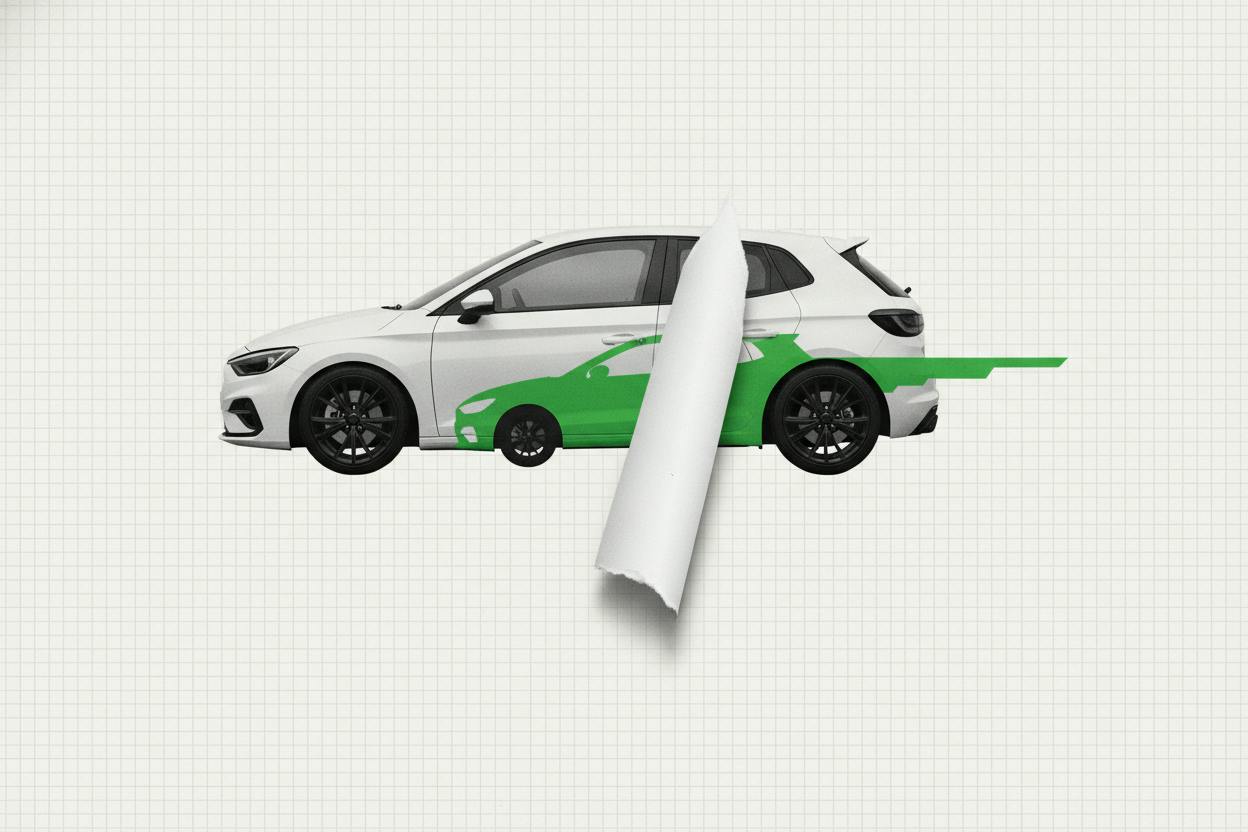
Volkswagen has confirmed it is evaluating the future of its Spanish brand Seat beyond the current product cycle, a move that could see the 74-year-old marque gradually fade away. According to people familiar with the matter, the company's sportier offshoot Cupra is likely to inherit future models as Seat's petrol and diesel lineup is wound down.
Seat has been part of the Volkswagen Group since 1986, but keeping two closely overlapping Spanish brands is becoming harder to justify as the industry pours billions into electric vehicles (EVs). The company has not launched a new Seat model since 2020, currently sells no fully electric cars, and has none planned. Cupra, launched in 2018 as a performance-focused spin-off, has already overtaken Seat in annual sales and offers three fully electric models.
Why Seat is on the chopping block
Seat's situation reflects a broader trend in the auto industry. As carmakers face tightening emissions regulations and the high cost of developing EVs, they are consolidating their brand portfolios. Maintaining two brands that target similar buyers in the same market—both based in Spain—is expensive. By letting Seat fade out, Volkswagen can focus its investment on Cupra, which has proven more popular and is better positioned for the electric transition.
Seat's last new model, the Tarraco SUV, arrived in 2018, and the brand has been living off refreshes since then. Cupra, meanwhile, has expanded rapidly with models like the Born hatchback and the Tavascan SUV, both fully electric. The brand's sporty image and higher price points have resonated with younger buyers, making it a more attractive vehicle for Volkswagen's future EV strategy.
This is not the first time Volkswagen has trimmed its brand lineup. The company has previously discontinued or repositioned models to cut costs, and analysts expect more consolidation across the industry as EV competition intensifies.
What this means for investors
For everyday investors, the potential phasing out of Seat is a signal about Volkswagen's strategic priorities. The company is choosing to double down on brands that can generate higher margins and better support its EV push. Cupra's success suggests that Volkswagen's investment is paying off, but the decision also highlights the challenges of managing a sprawling portfolio in a capital-intensive industry.
Investors should watch how Volkswagen manages the transition. If Seat is phased out, the company will need to handle dealer networks, employee relations, and brand loyalty carefully. There is also the question of what happens to Seat's factory in Martorell, Spain, which could be repurposed for Cupra production or other Volkswagen Group models.
The broader lesson is that legacy automakers are making tough choices to survive the shift to electric. Similar moves are happening across the industry—for example, Nissan's recent investment in its UK plant shows how companies are protecting key assets while rationalizing others. And as chipmakers explore new production deals to secure supply, automakers are also securing their own supply chains for EV components.
What to watch next
Volkswagen has not given a timeline for any decision on Seat's future. The company says it is evaluating options beyond the current product cycle, which typically lasts five to seven years. That means Seat could continue selling its existing models for several more years before any phase-out begins.
Investors will be listening for more details in Volkswagen's next earnings calls or strategy updates. Key questions include: Will Cupra take over all future models, or will some Seat models continue under a different name? How will Volkswagen handle the transition in Spain, where Seat is a major employer? And what will this mean for the company's overall EV sales targets?
For now, the news is a reminder that the auto industry is in a period of rapid change. Brands that were once household names may disappear or be reinvented as companies focus on the electric future. For investors, understanding these strategic shifts is crucial, as they can have a significant impact on a company's long-term profitability.
As Volkswagen navigates this transition, it joins other companies making big bets on the future of mobility. The recent funding round for Impulse Space shows that capital is flowing into new technologies, while central bank decisions continue to influence the cost of capital for such investments. For investors, staying informed about these trends is key to making sound decisions.