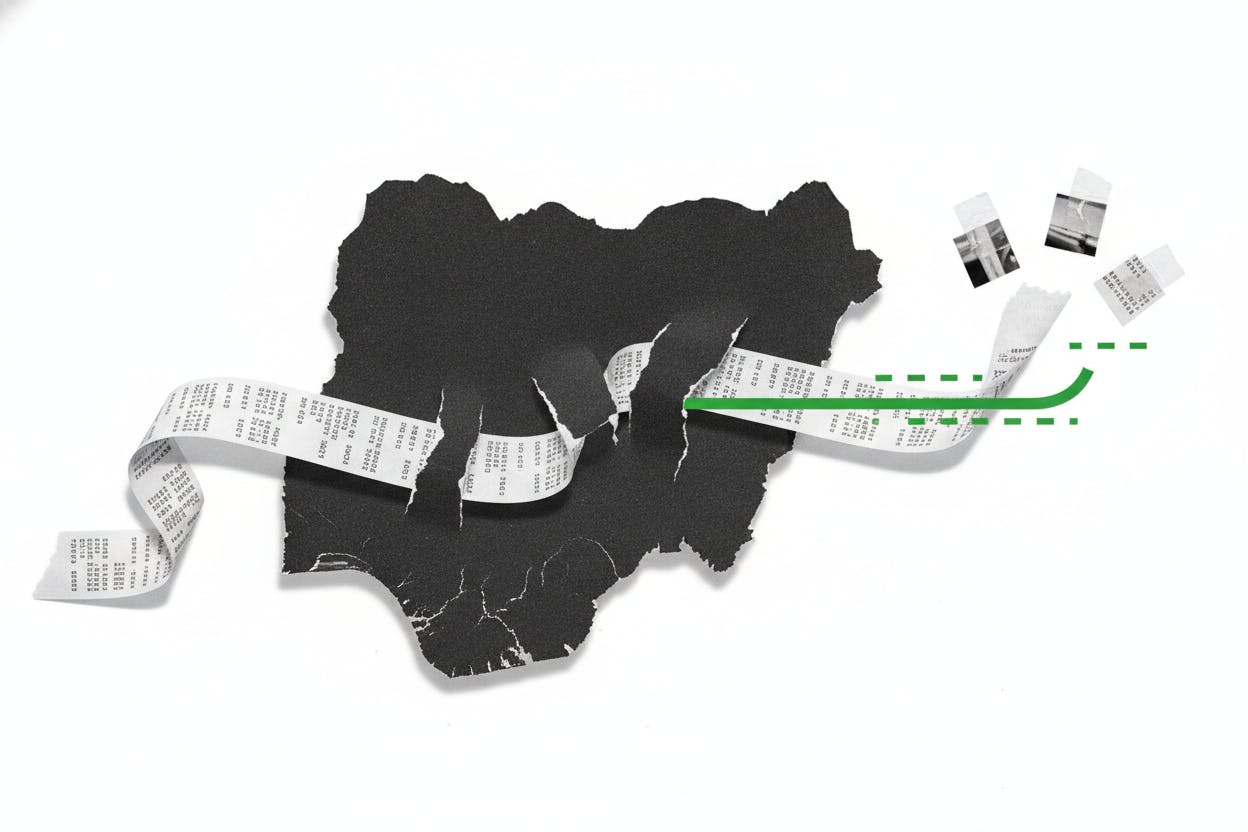
Nigeria's tax authority has introduced a new tax framework for digital assets, including cryptocurrencies, stablecoins, and non-fungible tokens (NFTs), as part of a broader push to raise revenue and widen tax compliance. The rules, reported by Reuters, add stamp duty and withholding taxes to certain transactions, meaning a charge can apply each time value moves—not just when profits are realized.
The move puts Nigeria's vibrant retail crypto market on notice. The country has long been one of Africa's most active digital-asset hubs, with many everyday investors using crypto for remittances, savings, and trading. Now, those activities could carry an extra cost.
What the new taxes involve
Under the framework, stamp duty applies to certain documents and transactions, while withholding tax is deducted at the source—typically when income is paid out. For crypto traders, this could mean a percentage is taken from each trade or transfer, rather than only when they sell at a profit. The exact rates and thresholds were not detailed in the brief, but the structure itself is significant.
The tax authority's goal is clear: bring the fast-growing digital asset sector into the formal tax net. Nigeria has been tightening its fiscal grip across the economy, and crypto is an obvious target given its popularity among younger, tech-savvy investors.
However, industry groups are warning that the new charges could backfire. They argue that if trading on regulated exchanges becomes more expensive, retail users may migrate to peer-to-peer platforms or offshore exchanges that fall outside Nigeria's tax reach. That would not only reduce the expected revenue but also undermine consumer protections that regulated platforms offer.
Why this matters for investors
For everyday Nigerian investors, the immediate impact is straightforward: the cost of trading crypto is likely to rise. If you buy, sell, or transfer digital assets on a local exchange, you may now face an extra charge on top of any existing fees. This could eat into returns, especially for frequent traders who move money in and out often.
For those using crypto for practical purposes—like sending money to family or hedging against currency depreciation—the added friction could make regulated channels less attractive. That's a real concern in a country where the local currency has faced persistent pressure, and where many people turn to crypto as an alternative store of value.
The broader lesson for investors anywhere is that tax rules are a key part of the crypto landscape. As governments worldwide look to regulate and tax digital assets, the cost of participating in this market is likely to rise. That doesn't mean crypto is a bad investment, but it does mean investors need to factor in the tax implications of their trades.
What to watch next
Investors will be watching two things closely. First, how the Nigerian tax authority implements and enforces the new rules—will there be clear guidance on which transactions are taxable, and will exchanges be required to withhold taxes automatically? Second, whether trading volumes on regulated Nigerian exchanges drop as a result. If they do, it could signal that the taxes are driving activity underground, which would be a cautionary tale for other countries considering similar moves.
For now, Nigerian crypto traders should review their activity and consider how the new charges affect their strategies. Keeping records of transactions and understanding which trades trigger stamp duty or withholding tax will be essential. As with any tax change, the key is to stay informed and plan accordingly.
This development also fits into a broader global trend of governments tightening oversight of digital assets. From the United States to Europe to Asia, regulators are grappling with how to treat crypto for tax purposes. Nigeria's approach—applying traditional taxes like stamp duty and withholding to digital assets—is one model, and its success or failure could influence others.
For investors outside Nigeria, the story is a reminder that crypto is no longer a regulatory gray area. As taxes and rules multiply, the days of near-zero-cost, anonymous trading are fading. That's not necessarily bad—clearer rules can bring legitimacy and stability—but it does change the calculus for anyone considering crypto exposure.
In the meantime, the Nigerian market will be a test case. If the new taxes succeed in raising revenue without driving traders away, other governments may follow suit. If they fail, it will be a lesson in the limits of taxing a borderless, decentralized asset class.