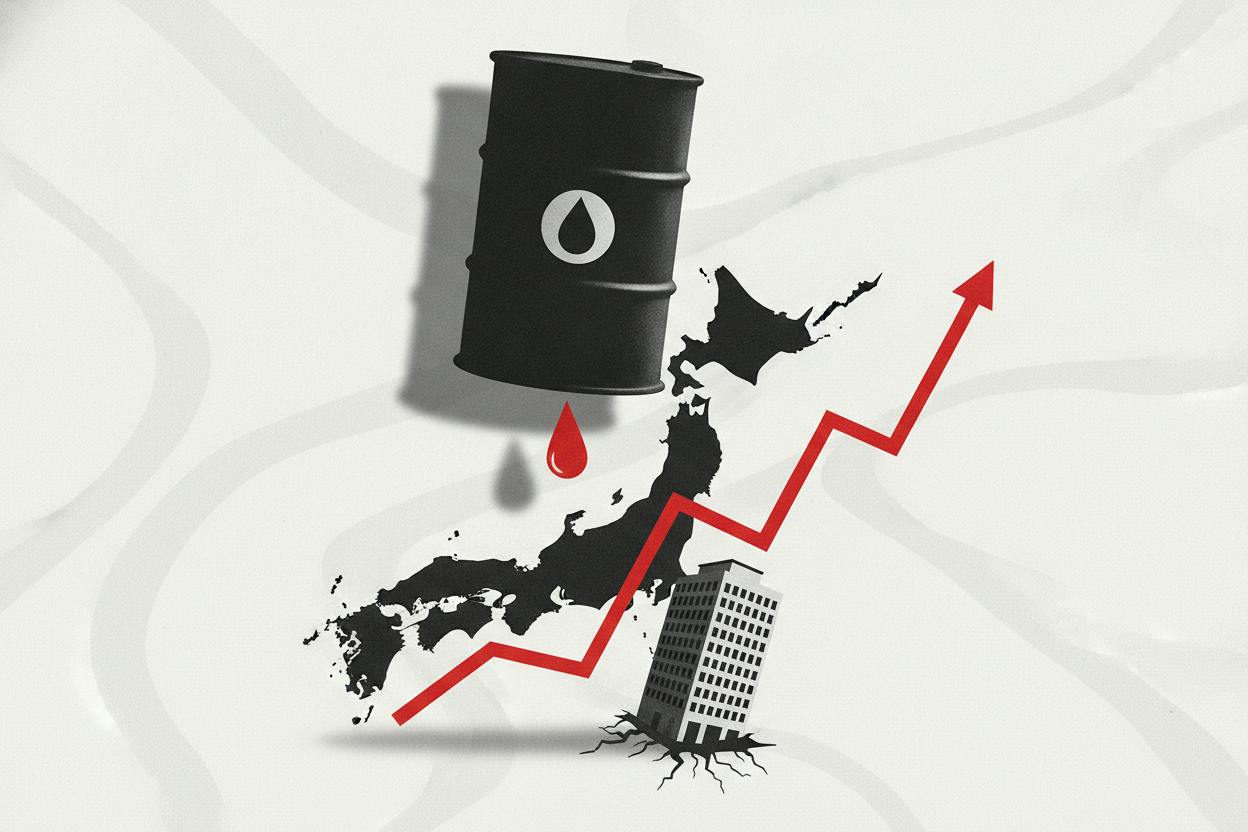
Japanese stocks ended Tuesday essentially flat, with the Nikkei 225 closing down a mere 0.01%, as global rate dynamics—rather than domestic corporate news—set the tone. The catalyst was a fresh wave of Houthi attacks on Saudi oil infrastructure, which pushed crude prices higher and, in turn, lifted US Treasury yields and the dollar. For investors, the message was clear: inflation worries are not going away.
Oil, yields, and the dollar: a familiar loop
The attacks, carried out by Iran-backed Houthi forces, raised fresh concerns about supply disruptions through key shipping lanes in the Middle East. When oil prices climb, the cost of energy feeds into broader inflation expectations. That dynamic tends to push government bond yields higher, as investors demand more compensation for the eroding purchasing power of fixed-income payments.
Higher Treasury yields often strengthen the dollar, as global investors seek the relative safety and better returns of US assets. For Japanese stocks, a stronger dollar can be a mixed bag: it makes Japanese exports more competitive abroad, but it also raises the cost of imported energy and raw materials, squeezing corporate margins. On Tuesday, those forces roughly cancelled out, leaving the Nikkei barely moving.
What this means for investors
For everyday investors, the key takeaway is that oil prices remain a powerful undercurrent for global markets. When energy costs rise, they can ripple through inflation data, central bank policy expectations, and ultimately the value of stocks and bonds. The recent moves echo a pattern seen across other markets, as dollar strength and oil near a four-month high have dragged on emerging Asian markets.
The situation also highlights how interconnected global markets have become. A geopolitical event in the Middle East can shift Treasury yields in New York and move the yen in Tokyo within hours. For investors holding international portfolios, this means diversification doesn't eliminate risk—it just spreads it around.
Central banks in the spotlight
Adding to the mix, investors are also watching central banks closely. The Federal Reserve's next policy decision is on the horizon, and expectations about the path of US interest rates are a major driver of Treasury yields and the dollar. As the dollar neared a two-week high as oil and yields jumped ahead of the Fed, traders are positioning for the possibility that rates stay higher for longer.
In Japan, the central bank has maintained an ultra-loose monetary policy for years, but with global yields rising, the pressure on the yen and on Japanese asset prices is mounting. A weaker yen can boost export-oriented companies, but it also raises import costs, which can feed into domestic inflation—a delicate balance for the Bank of Japan.
Looking ahead
For now, the market's focus remains on the interplay between oil, yields, and the dollar. If crude prices continue to climb, inflation expectations could firm further, potentially forcing central banks to keep policy tighter for longer. That scenario tends to be challenging for equities, particularly for growth-oriented sectors that are sensitive to higher discount rates.
On the other hand, if oil prices retreat—perhaps due to diplomatic efforts or a slowdown in global demand—the pressure on yields and the dollar could ease, providing some relief to stock markets. As European stocks slipped as oil and yields kept pressuring risk, the same forces are at play across the Atlantic.
For Japanese investors, the near-term outlook is likely to remain tied to global macro trends rather than domestic earnings. While the Nikkei's flat close might seem uneventful, it masks the underlying tension in markets. The next few weeks could bring more volatility as investors digest oil price moves, central bank signals, and the ongoing geopolitical situation in the Middle East.
The bottom line
Tuesday's session in Tokyo was a microcosm of the broader market environment: oil-driven inflation worries are keeping yields and the dollar elevated, and that is keeping a lid on stock market gains. For investors, the key is to stay informed about these global forces and understand how they can affect portfolios. While no one can predict the next geopolitical event, being aware of the channels through which oil, yields, and currencies move markets can help in making more informed decisions.
As always, it's important to remember that markets are unpredictable, and short-term moves should not dictate long-term investment strategies. Diversification, a clear understanding of your risk tolerance, and a focus on your financial goals remain the bedrock of sound investing.