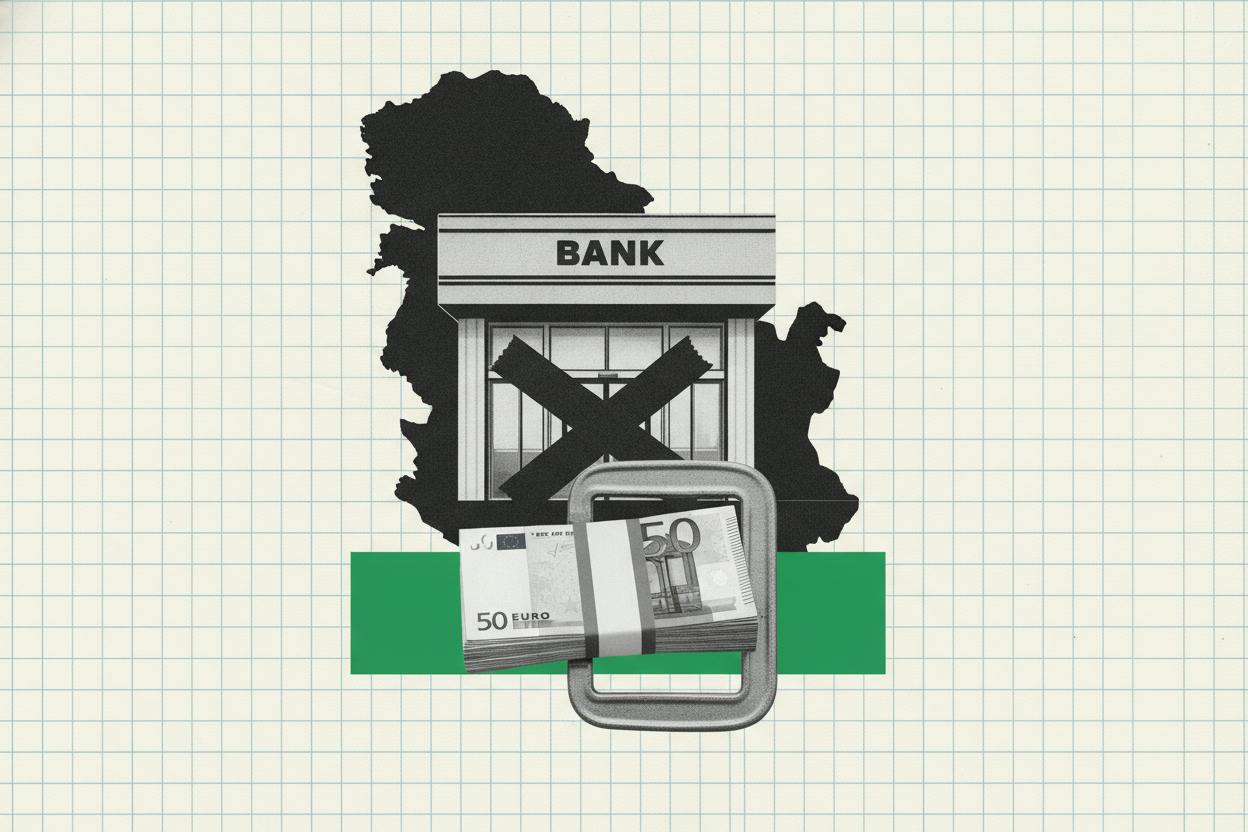
Japan's Norinchukin Bank reported its sixth consecutive profitable quarter, but the cooperative lender's bond portfolio continues to bleed red ink. Unrealized losses on its bond holdings widened to 2.08 trillion yen (about $13.8 billion) by the end of September, up from 1.24 trillion yen six months earlier.
The bank, which primarily serves Japan's agricultural, forestry and fishery cooperatives, said net profit for the July-September quarter rose to 81.6 billion yen from 26 billion yen a year earlier, helped by higher interest income. But the same higher global interest rates that boost income also depress the market value of existing bonds, creating a growing gap between what the bank paid for those securities and what they're worth today.
Why bond losses matter
When interest rates rise, newly issued bonds offer higher yields, making older bonds with lower coupons less attractive. Their prices fall to compensate. For a bank that holds bonds to maturity, those price drops are often just accounting entries. But for a bank like Norinchukin, which actively manages its portfolio and may need to sell bonds to rebalance or raise cash, unrealized losses can become real.
Chief Financial Officer Masaki Nagano said most of the increase in unrealized losses came from bonds the bank already owned, not from new buying. That's a sensitive point because a sharp rise in global rates in 2022 hammered Norinchukin's holdings of US and European government bonds, contributing to a large annual loss in the fiscal year ended March 2025.
Since then, the bank has been reducing its bond exposure and shifting into equities and private assets. But bonds and credit still make up 93% of its 43.5-trillion-yen market investment portfolio, leaving it heavily exposed to where yields go next.
What it means for investors
For everyday investors, Norinchukin's situation is a reminder that a bank's reported profit doesn't always tell the full story. Big unrealized losses can tighten a bank's room to maneuver even when quarterly earnings look healthier. Because many portfolios are tracked at current market prices for risk management—and sometimes for regulatory capital—a deep paper loss can chew through internal risk limits and capital buffers.
That often pushes firms to cut interest-rate exposure the quick way, by selling longer-dated bonds and trimming credit positions, rather than waiting for prices to recover. Given Norinchukin's history in US and European government bonds, any incremental "de-risking" could add extra supply to those markets and nearby credit, making sudden jumps in yields more likely to feed on themselves.
For investors holding bond funds or bank stocks, this is a dynamic worth watching. A large player forced to sell into a rising-rate environment can amplify market moves, affecting prices across the fixed-income spectrum. It also highlights the risks that financial institutions face when they load up on long-duration assets in a world where rates can shift quickly.
Norinchukin's experience is not unique. Many banks and insurers around the world are sitting on unrealized losses in their bond portfolios after the rapid rate hikes of recent years. The difference is scale: Norinchukin's losses are large relative to its capital, and its portfolio is concentrated in the very markets where rate swings have been most violent.
The bank's shift toward equities and private assets is a long-term strategy to diversify away from bonds. But with 93% of its portfolio still in fixed income, that transition is slow. In the meantime, every move in global yields will be felt in its balance sheet—and potentially in the markets where it operates.
For now, Norinchukin's quarterly profit is a positive sign, but the growing paper losses are a reminder that the bank's health depends on the direction of interest rates. If yields keep climbing, the losses will grow, and the pressure to sell bonds will intensify. If yields fall, the losses will shrink, and the bank can breathe easier. Investors should keep an eye on both the profit line and the bond portfolio's mark-to-market value.